
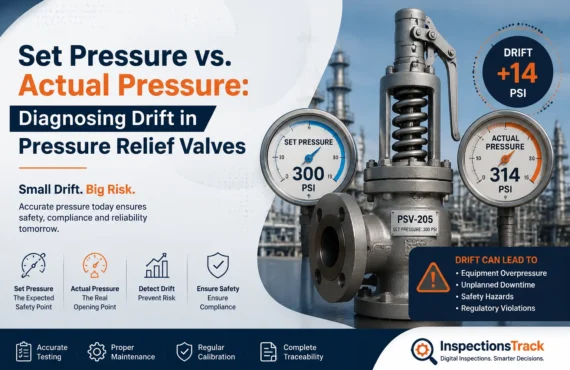
Pressure Relief Valve (PRV) drift is one of the most overlooked yet critical reliability issues in the oil and gas industry. While a valve may appear functional during routine checks, even a slight deviation between…
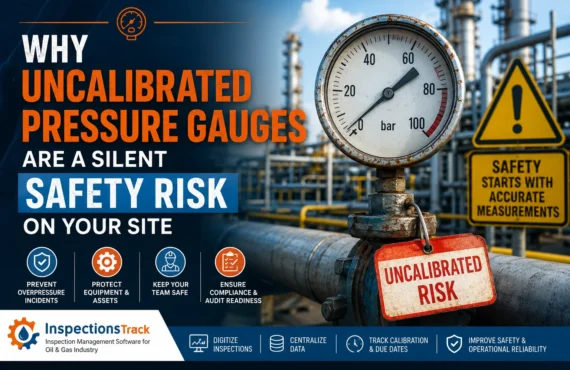
Pressure gauges are among the most common instruments used across industrial facilities, oil and gas sites, refineries, pipelines, and processing plants. They appear simple, reliable, and easy to maintain. However, when a pressure gauge is…
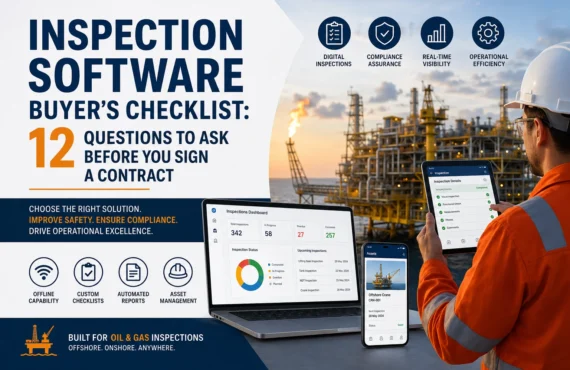
Choosing inspection software is a long-term business decision, not just another software purchase. The right platform improves inspection quality, increases compliance, reduces administrative work, and helps teams make faster decisions. However, selecting the wrong solution…

Imagine standing on an offshore oil platform hundreds of miles from the coast. Your inspection team is completing critical safety checks, yet there is no internet connection. Does your inspection stop? More importantly, what happens…
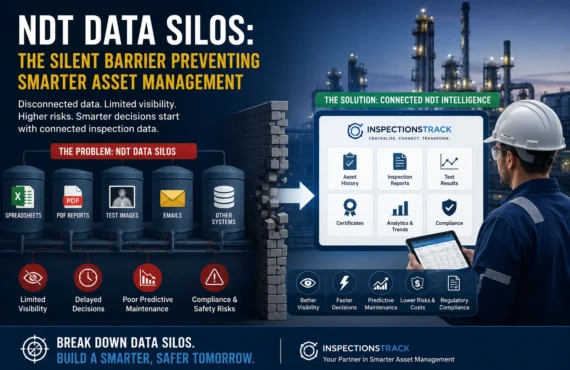
In the oil and gas industry, asset reliability depends heavily on accurate inspection data. Non-Destructive Testing (NDT) inspections generate valuable information about equipment condition, structural integrity, corrosion risks, and maintenance requirements. However, many organizations still…
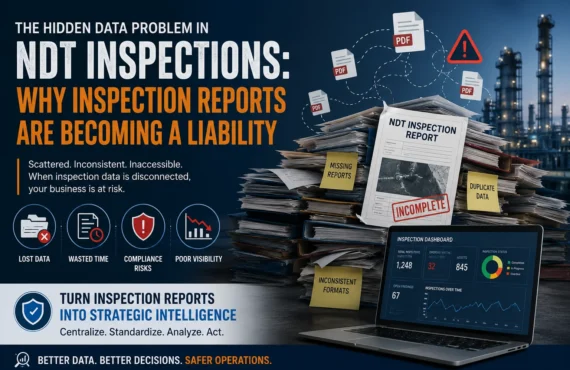
Non-Destructive Testing (NDT) inspections are essential for maintaining safety, regulatory compliance, and operational reliability across the oil and gas industry. However, while companies continue investing in advanced inspection technologies, many overlook a critical issue hiding…
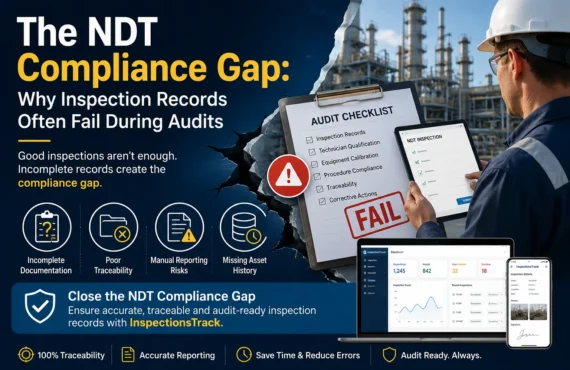
Non-Destructive Testing (NDT) plays a critical role in ensuring asset integrity, operational safety, and regulatory compliance across industries such as oil & gas, petrochemicals, offshore, and energy. However, many organizations still face a hidden challenge:…
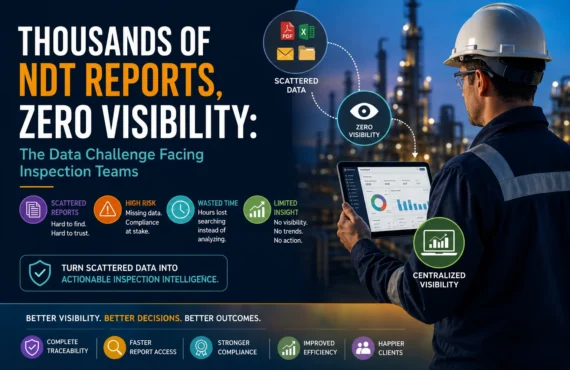
Every inspection creates valuable information. However, when inspection teams accumulate thousands of Non-Destructive Testing (NDT) reports across spreadsheets, PDFs, email attachments, and paper records, finding the right information becomes increasingly difficult. As a result, inspection…

Pressure Relief Valves (PRVs) are among the most critical safety devices in the oil and gas industry. They protect equipment, personnel, and facilities by releasing excess pressure before it reaches dangerous levels. However, a PRV…
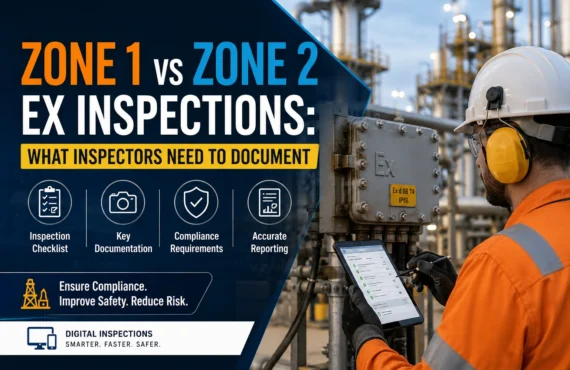
In hazardous environments, even a minor documentation mistake can lead to major safety risks, regulatory non-compliance, and costly operational downtime. Therefore, understanding the differences between Zone 1 vs Zone 2 Ex inspections is essential for…


