

Inspection companies in the oil and gas industry face a common challenge: how to handle more inspections, manage larger projects, and meet client deadlines without increasing administrative workload. As businesses grow, inspection teams must manage…

Meeting client Service Level Agreements (SLAs) is essential for inspection companies working in demanding industries such as oil and gas, energy, and industrial maintenance. Clients expect inspections to be completed on time, reports to be…
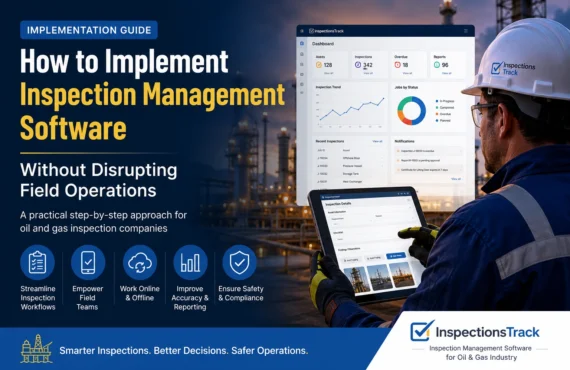
Implementing inspection management software can help oil and gas inspection companies reduce paperwork, improve reporting accuracy, and manage jobs more efficiently. However, the biggest concern for many operations managers is simple: How can you introduce…

In oil and gas inspections, a pass or fail decision can affect equipment reliability, operational safety, compliance, and project timelines. However, when inspectors interpret acceptance criteria differently, the same equipment may receive different inspection results….
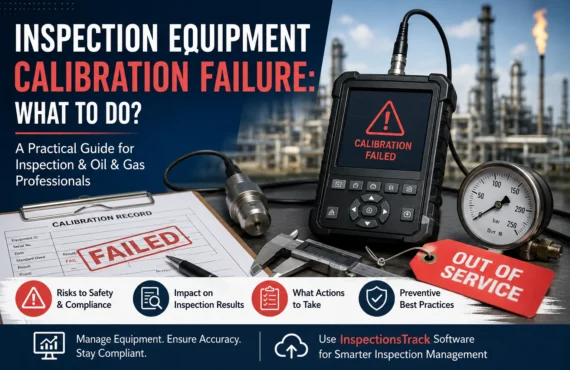
Inspection equipment plays a critical role in oil and gas, NDT, manufacturing, and industrial inspection. Inspectors rely on calibrated equipment to produce accurate and defensible results. But what happens when inspection equipment fails calibration? A…

Oil & gas shutdown inspection planning can determine whether a turnaround finishes safely and on schedule or gets delayed by unexpected inspection findings, missing resources, and poor coordination. A shutdown or turnaround gives inspection teams…

A repair contractor completes the work, closes the job, and sends the equipment back. However, one critical question remains: has anyone verified that the equipment is ready for its intended service? In oil and gas…
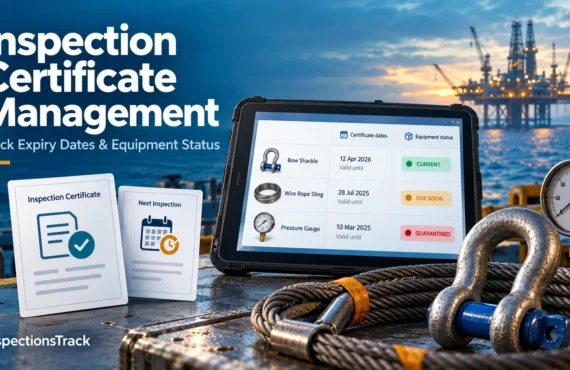
A lifting sling arrives at an offshore site with a certificate in an email attachment. However, the supervisor cannot confirm whether it matches the equipment or whether a later inspection identified a defect. Inspection certificate…

Your inspectors identify equipment defects, while your maintenance team plans the repairs. However, when both teams rely on disconnected spreadsheets and reports, important findings can lose their connection to the actions they require. Choose inspection…
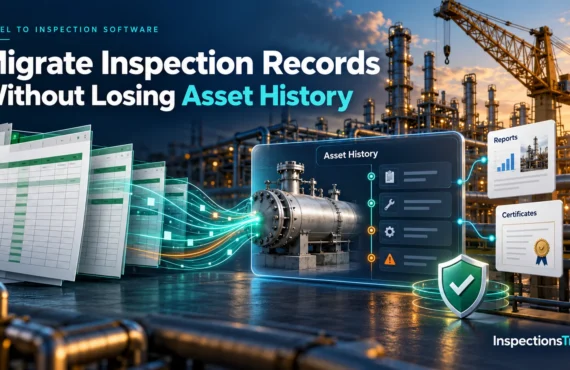
Moving inspection records from Excel into dedicated inspection management software can improve data accuracy, reporting, and asset visibility. However, a poorly planned migration can also create duplicate assets, missing inspection dates, broken certificate links, and…


