
In high-pressure oil and gas operations, lifting gear failures can lead to catastrophic incidents, costly downtime, and regulatory penalties. Therefore, performing a comprehensive lifting gear risk assessment is not optional—it is critical. This guide explains expert protocols, safety frameworks, and practical steps to ensure your lifting operations remain compliant, efficient, and safe in extreme environments.
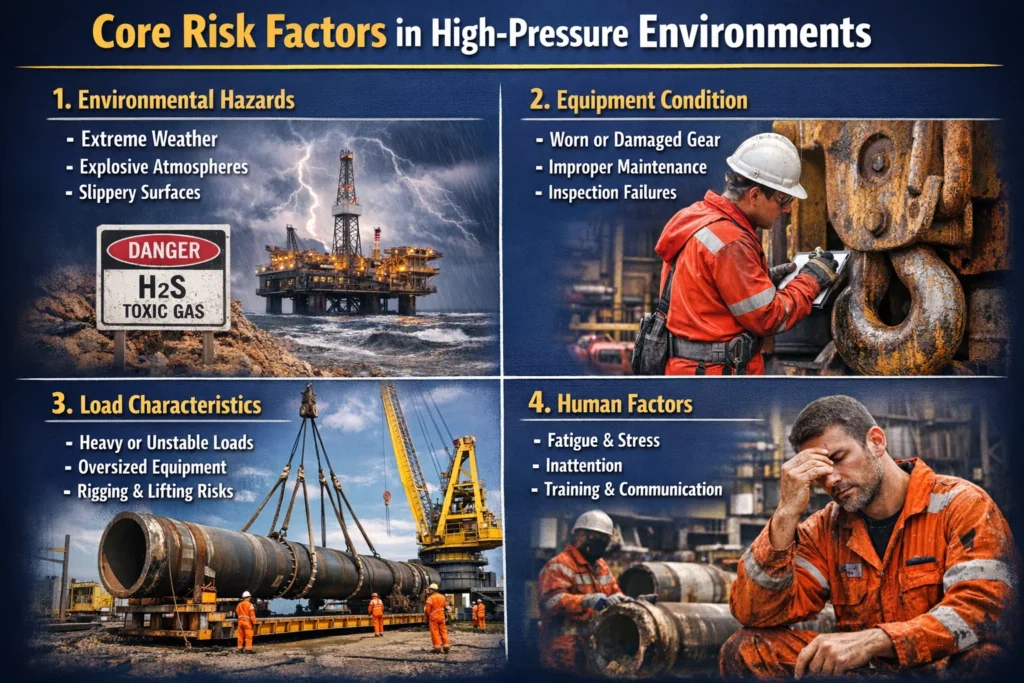
High-pressure environments introduce unique hazards such as:
Because of these risks, lifting equipment must be evaluated continuously. Moreover, regulators demand strict compliance with international standards and safety frameworks.
Key benefits of proper risk assessment:
Before implementing protocols, it is essential to identify key risk variables.
To maintain safety and compliance, follow this structured approach:
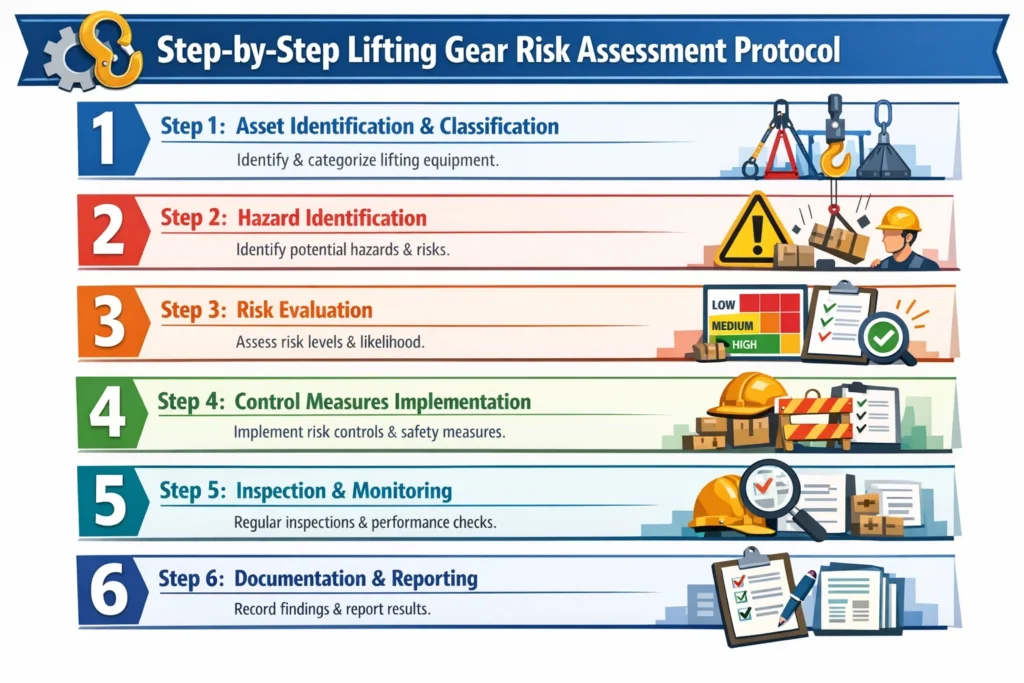
Next, perform a detailed hazard analysis including:
Use a risk matrix to determine severity and likelihood:
| Risk Level | Likelihood | Impact | Action Required |
|---|---|---|---|
| Low | Rare | Minor | Monitor only |
| Medium | Possible | Moderate | Control measures required |
| High | Likely | Severe | Immediate action |
| Critical | Certain | Catastrophic | Stop operations |
After evaluation, implement safety controls such as:
Regular inspections must be scheduled:
Finally, maintain full compliance documentation for audits and traceability.
Lifting operations in oil & gas must comply with multiple global standards:
By following these frameworks, companies ensure both safety and legal compliance.
Manual inspections often result in missed data, delayed reporting, and human error. However, modern digital tools streamline the entire process.
Using a specialized oil and gas inspection system like Inspectionstrack Software enables:
As a result, companies reduce risk exposure while improving efficiency.
To further enhance safety, follow these expert recommendations:
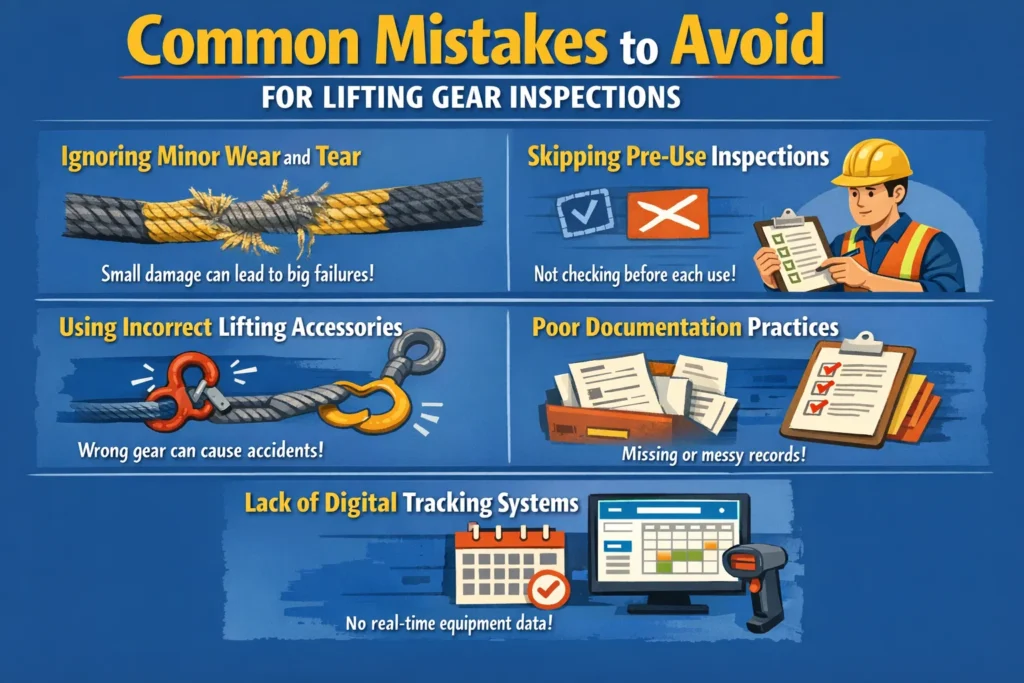
Even experienced teams can make critical mistakes. Therefore, avoid the following:
The industry is rapidly shifting toward automation and predictive safety systems. Technologies such as:
are transforming how companies manage lifting risks.
Inspectionstrack Software is already leading this digital transformation by providing intelligent inspection solutions tailored for oil and gas environments.
Lifting gear risk assessment in high-pressure oil and gas environments requires a structured, technology-driven, and compliance-focused approach. By implementing expert protocols, using digital inspection tools, and following best practices, organizations can significantly reduce risks and improve operational safety.
If your company wants to modernize lifting inspections and ensure full compliance, Inspectionstrack Software by Sky Soft Connection offers a complete, reliable solution for the oil and gas inspection industry.
Read more : non destructive testing for lifting slings
It is a structured process used to identify, evaluate, and control risks associated with lifting equipment operations.
Pre-use checks should be done daily, while detailed inspections are conducted periodically based on regulatory standards.
Non-Destructive Testing helps detect internal defects without damaging equipment, ensuring safe operations.
It automates inspections, reduces human error, and provides real-time compliance tracking and reporting.
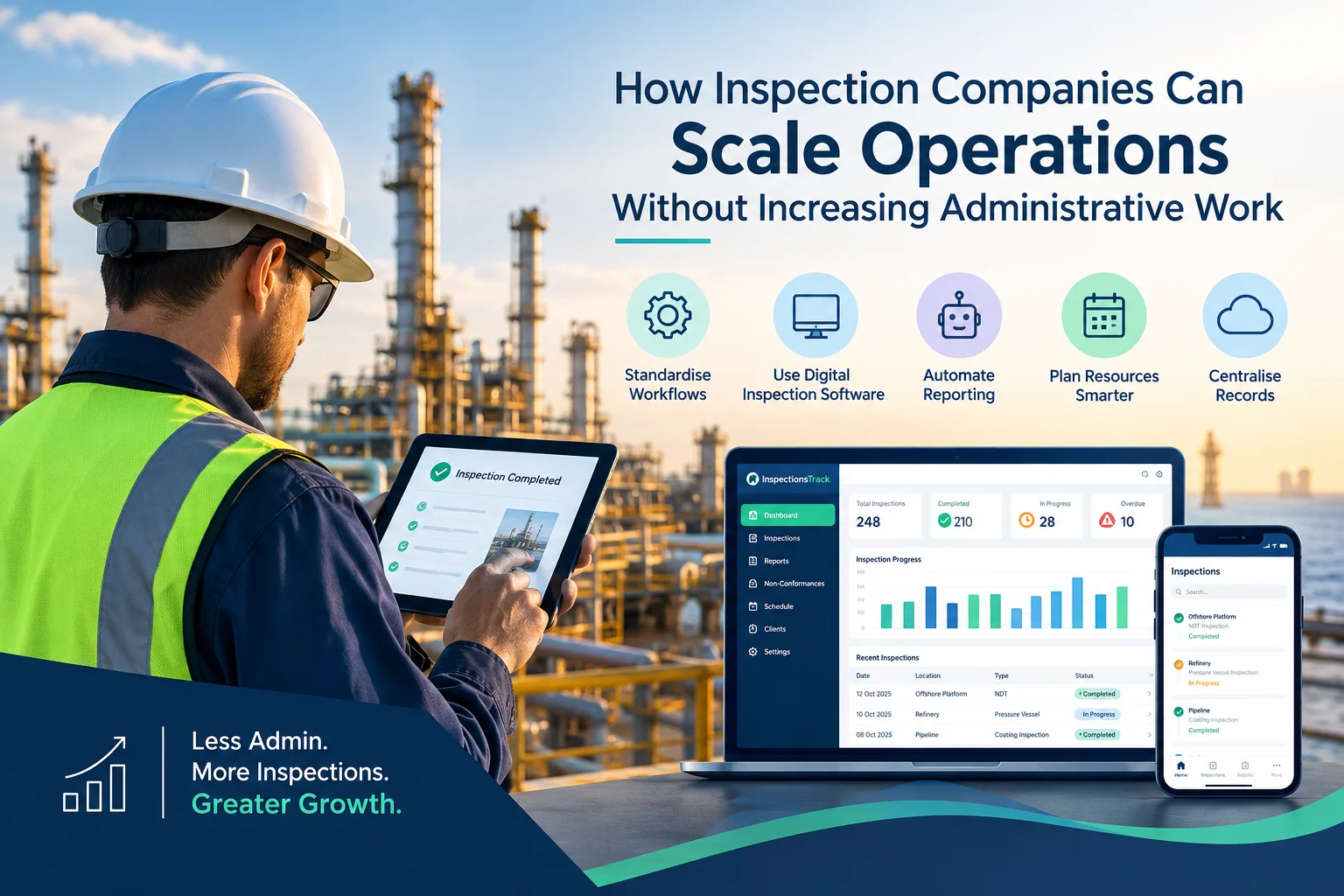
Inspection companies in the oil and gas industry face a common challenge: how to handle more inspections, manage larger projects, and meet client deadlines without increasing administrative workload. As businesses grow, inspection teams must manage…
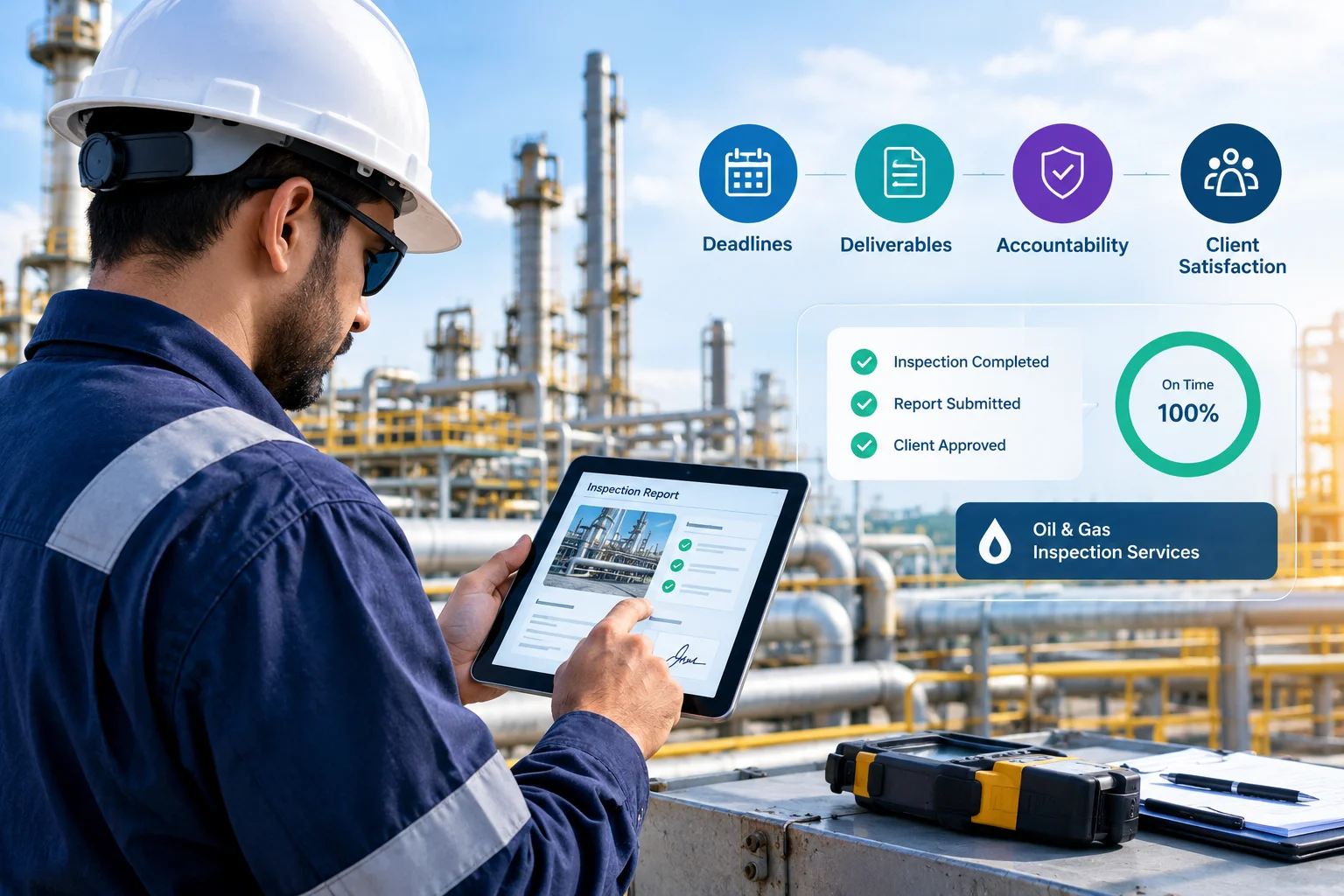
Meeting client Service Level Agreements (SLAs) is essential for inspection companies working in demanding industries such as oil and gas, energy, and industrial maintenance. Clients expect inspections to be completed on time, reports to be…


