
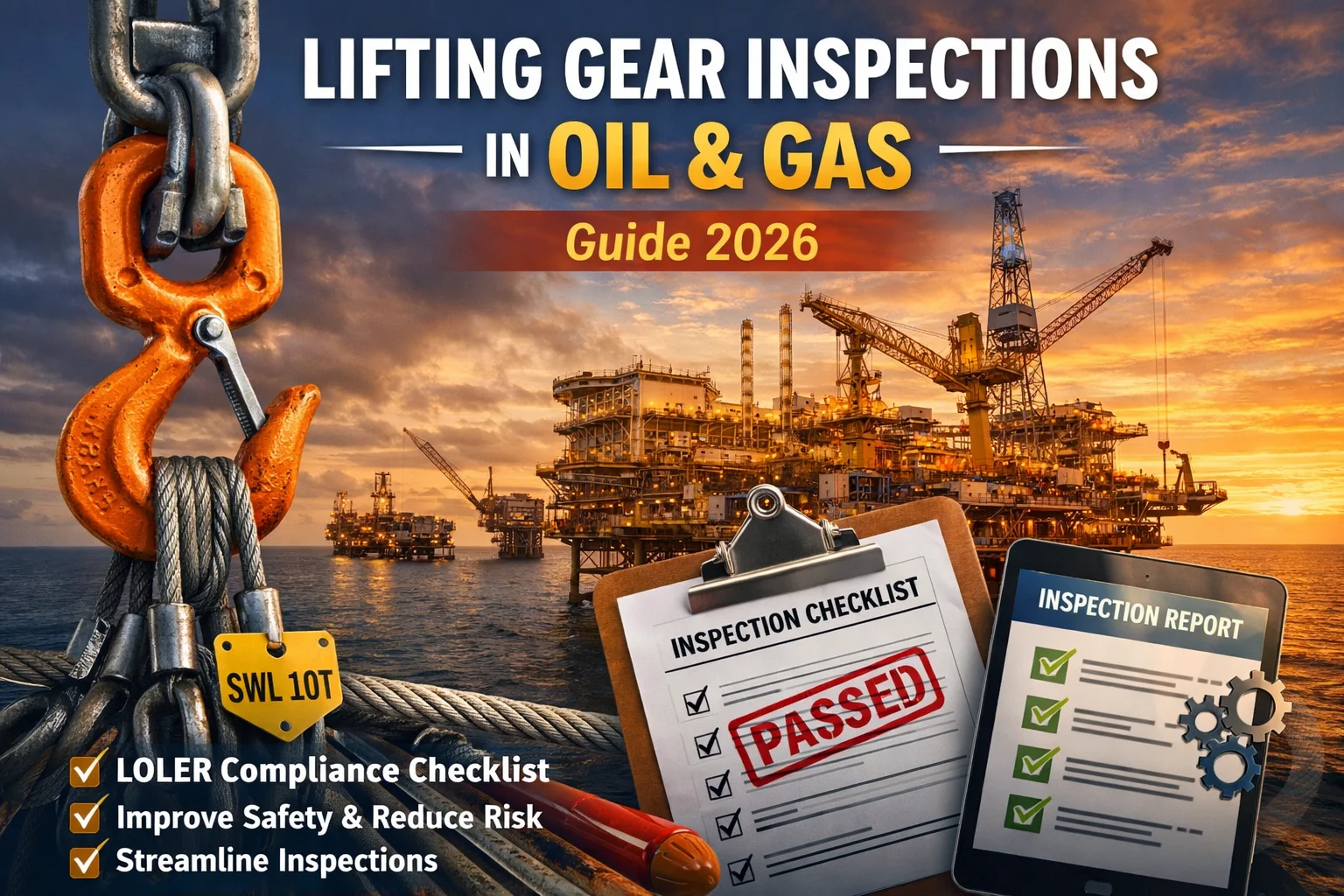
Lifting gear inspections are critical in the oil and gas industry, where heavy loads, hazardous environments, and strict safety regulations intersect. Therefore, maintaining compliance with LOLER (Lifting Operations and Lifting Equipment Regulations) is not just a legal obligation—it is a life-saving necessity.
In this ultimate guide, you’ll learn how to inspect lifting gear, stay compliant with LOLER in 2026, and streamline your inspection workflow using modern inspection software.
LOLER (Lifting Operations and Lifting Equipment Regulations 1998) is a UK regulation designed to ensure that all lifting operations are:
Although LOLER is a UK regulation, its principles are widely followed across global oil and gas operations due to their effectiveness in preventing accidents and equipment failures.
In oil and gas facilities, lifting gear includes a wide range of equipment. Therefore, each type requires specific inspection protocols.
Each of these components must be inspected regularly and thoroughly.
To stay compliant in 2026, you must follow updated inspection intervals.
| Equipment Type | Inspection Frequency |
|---|---|
| Lifting accessories | Every 6 months |
| Lifting equipment | Every 12 months |
| Man-riding equipment | Every 6 months |
| After exceptional events | Immediately after occurrence |
Note: Exceptional events include overload, impact damage, corrosion exposure, or extreme environmental conditions.
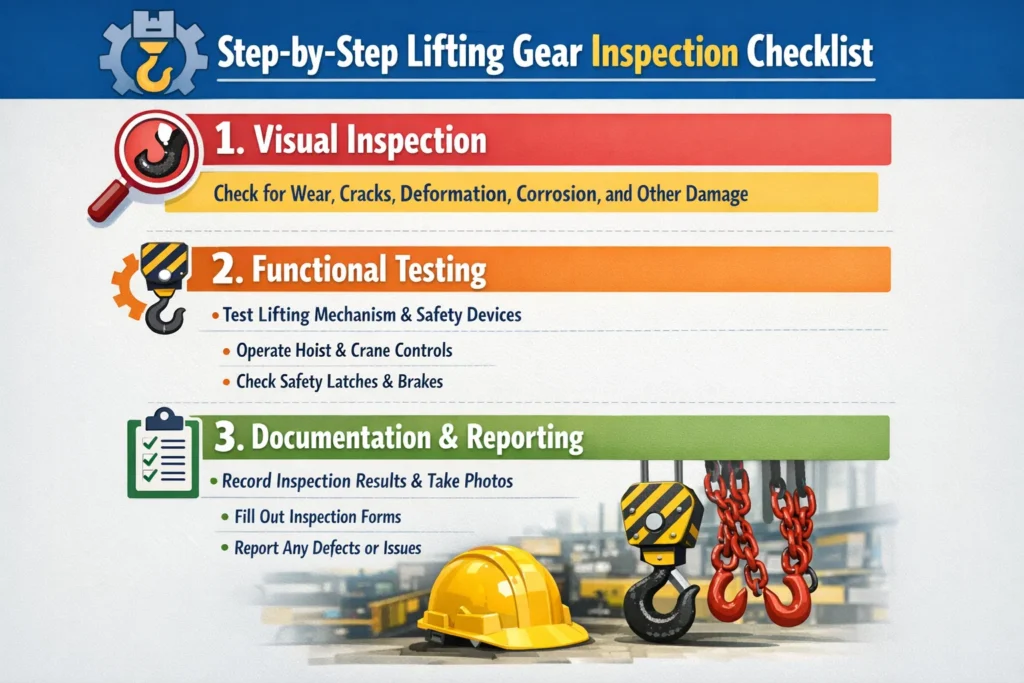
To ensure consistency and compliance, follow this structured inspection process:
Read more : essential checklist for lifting gear inspections
Identifying early defects prevents catastrophic failures. Therefore, inspectors should always look for:
Traditional paper-based inspections are time-consuming and error-prone. However, digital solutions now make compliance easier and faster.
Inspections Track Software is designed specifically for oil and gas inspections. It helps companies:
As a result, inspectors and managers gain full visibility and control over lifting operations.
When inspections are done correctly and consistently, companies benefit in multiple ways:
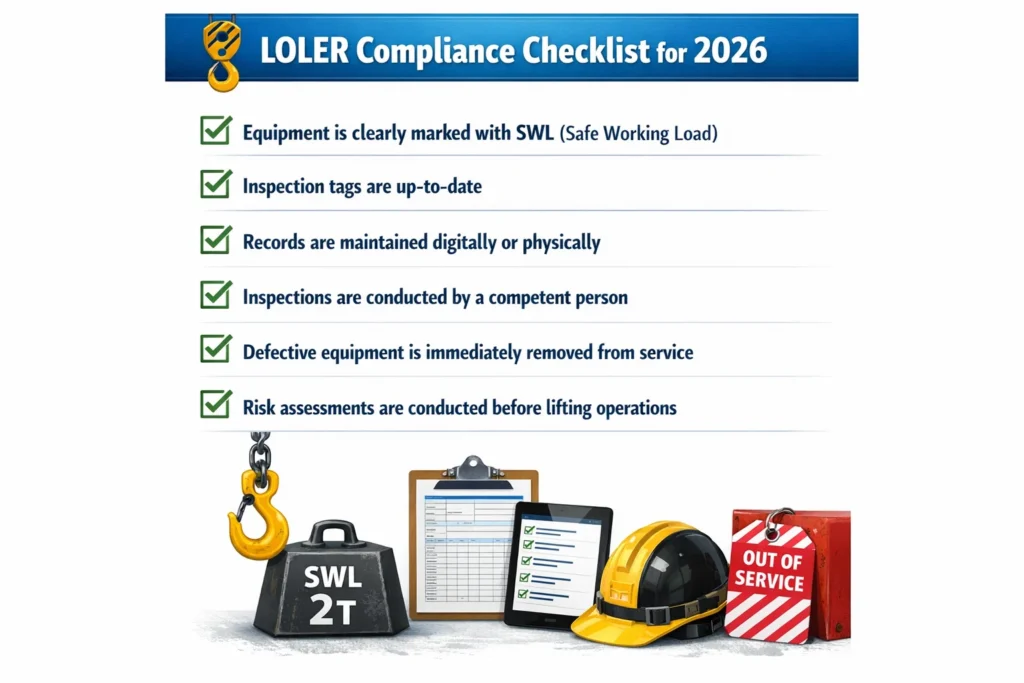
Use this quick checklist to stay compliant:
To go beyond compliance and achieve operational excellence:
Lifting gear inspections are not optional in the oil and gas industry—they are essential for safety, compliance, and operational efficiency. By following LOLER regulations and adopting modern inspection tools like Inspections Track Software, companies can significantly reduce risks while improving productivity.
In 2026 and beyond, digital inspections, real-time reporting, and proactive maintenance will define the future of lifting safety.
Read more : non destructive testing for lifting slings
LOLER inspections ensure that lifting equipment is safe to use, properly maintained, and compliant with legal safety standards.
Typically every 6 or 12 months, depending on the type of equipment and usage conditions.
A competent person with proper training, certification, and experience in lifting equipment inspection.
Yes, software like Inspections Track helps automate inspections, maintain records, and ensure audit readiness.
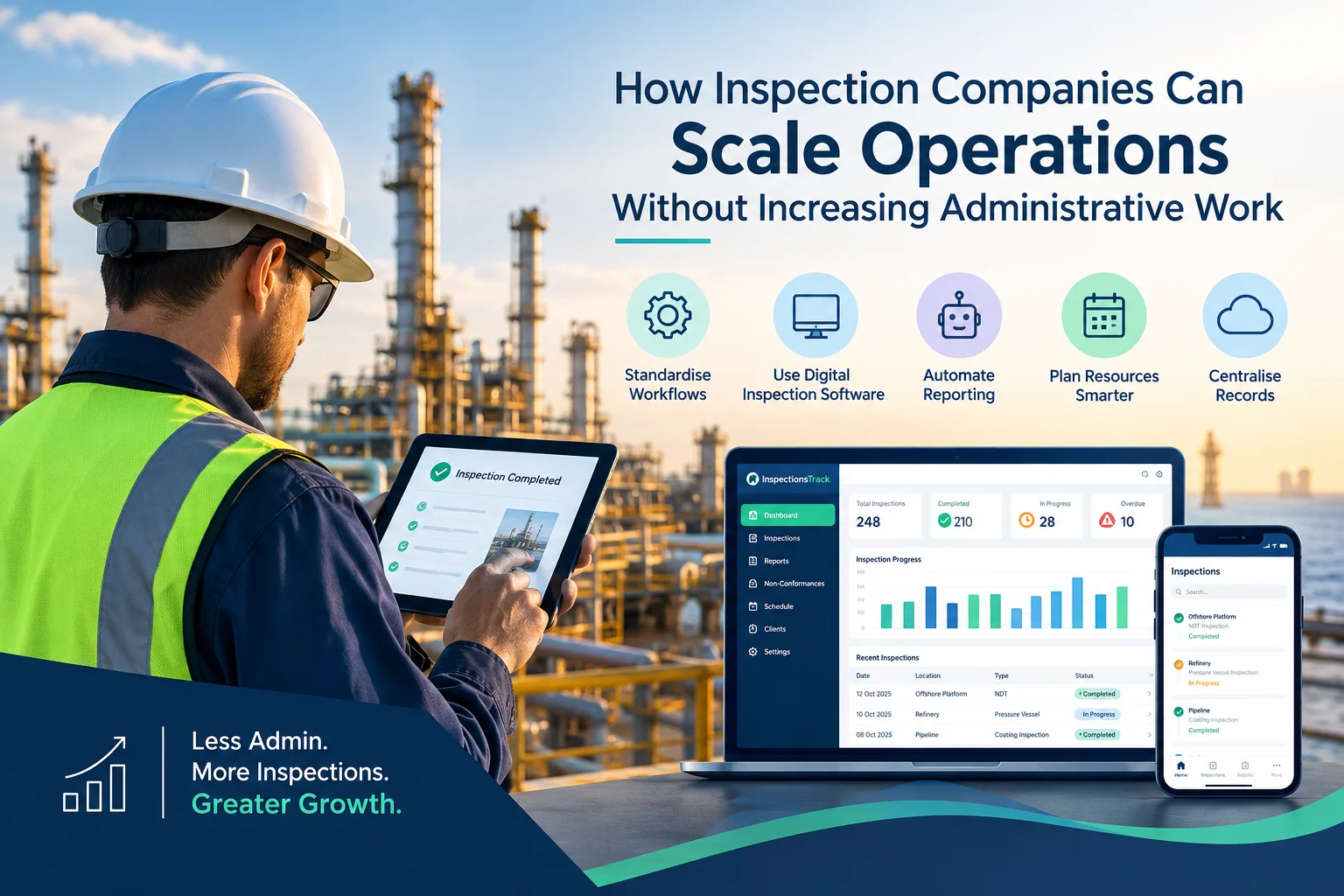
Inspection companies in the oil and gas industry face a common challenge: how to handle more inspections, manage larger projects, and meet client deadlines without increasing administrative workload. As businesses grow, inspection teams must manage…
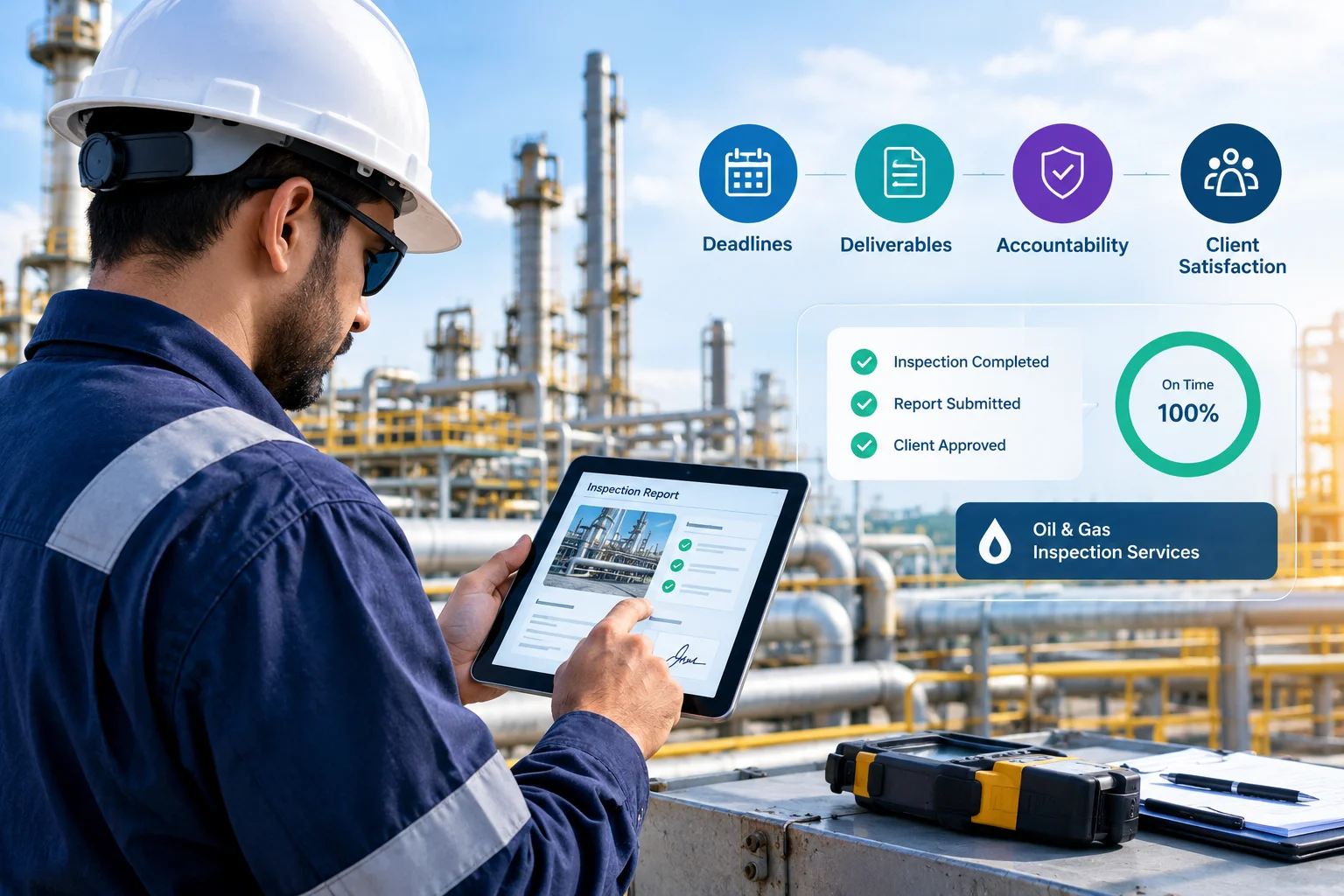
Meeting client Service Level Agreements (SLAs) is essential for inspection companies working in demanding industries such as oil and gas, energy, and industrial maintenance. Clients expect inspections to be completed on time, reports to be…


