
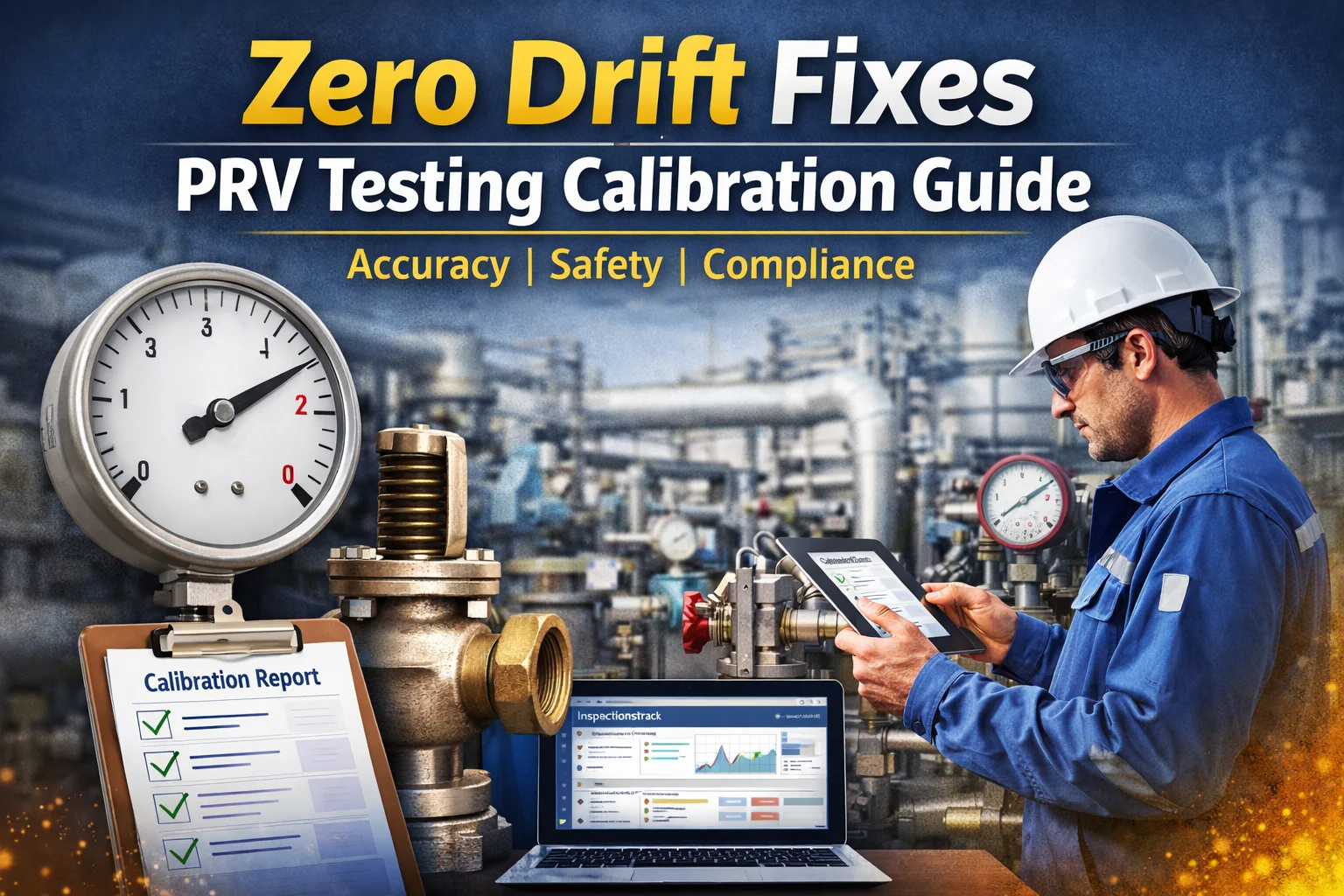
In the oil and gas industry, even the smallest measurement error can lead to major safety risks and costly downtime. That’s why zero drift fixes, PRV testing, and pressure gauge calibration workflows are critical for maintaining operational integrity.
In this guide, you’ll learn how to detect and correct zero drift, implement a reliable calibration workflow, and streamline the entire process using modern inspection software like Inspectionstrack.
Zero drift refers to the gradual deviation of a pressure gauge or instrument from its true zero reading over time. As a result, readings become inaccurate even when no pressure is applied.
Consequently, if not addressed, zero drift can lead to incorrect pressure readings, which may compromise safety systems such as PRVs (Pressure Relief Valves).
PRVs and pressure gauges act as first-line safety barriers in oil and gas operations. Therefore, regular testing and calibration ensure:
Moreover, consistent calibration improves operational efficiency and reduces unplanned shutdowns.
A structured PRV testing process ensures reliability and compliance.
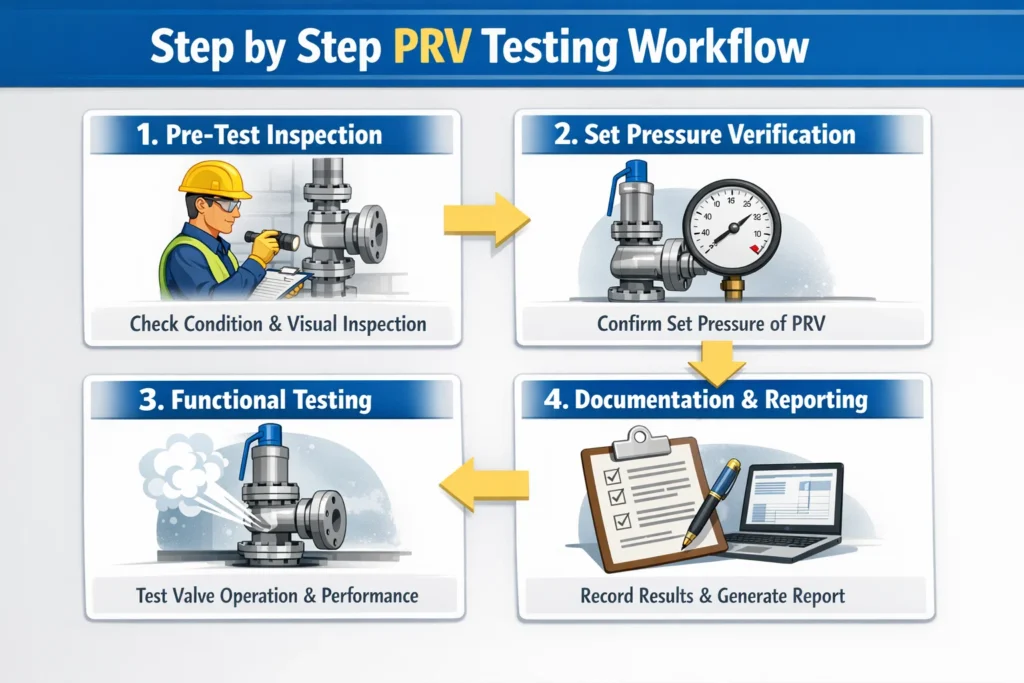
Before testing, technicians should:
Next, apply controlled pressure to confirm:
Then, evaluate:
Finally, record:
At this stage, digital tools like Inspectionstrack help automate reporting and reduce manual errors.
To eliminate zero drift, a standardized calibration workflow is essential.
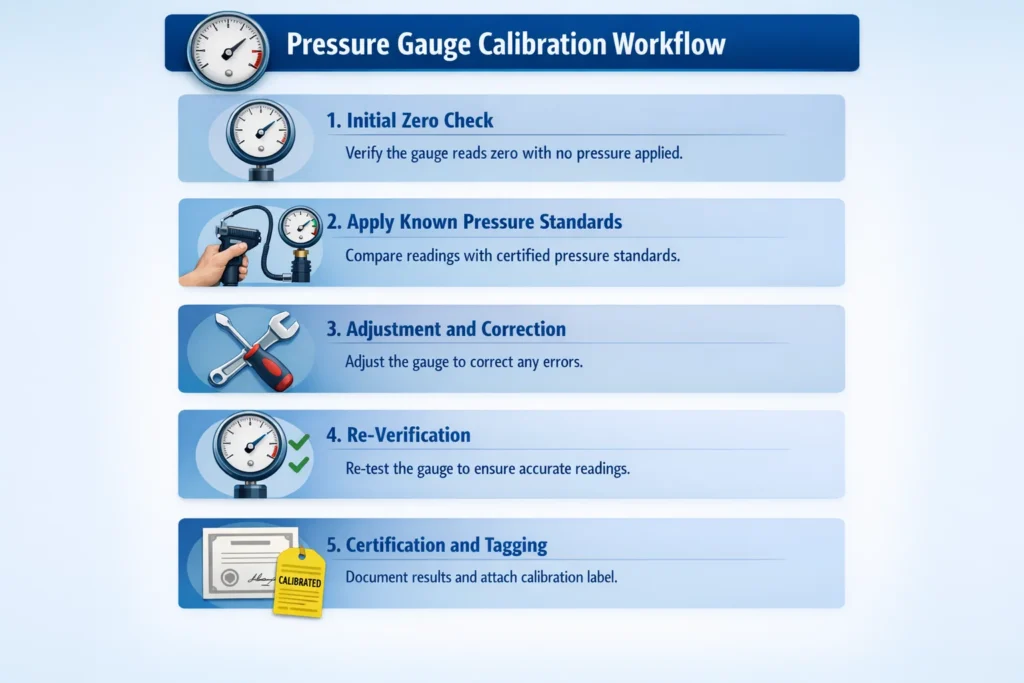
First, verify if the gauge reads zero without pressure.
If not, zero drift is present.
Next, compare readings against a calibrated reference instrument.
If discrepancies occur:
After adjustments, repeat the test to ensure accuracy.
Finally:
To maintain accuracy over time, follow these best practices:
| Aspect | Manual Workflow | Digital Workflow (Inspectionstrack) |
|---|---|---|
| Data Recording | Paper-based | Real-time digital entry |
| Accuracy | Prone to human error | Highly accurate |
| Reporting Speed | Slow | Instant report generation |
| Compliance Tracking | Difficult | Automated tracking |
| Audit Readiness | Time-consuming | Always audit-ready |
Clearly, digital workflows significantly improve efficiency and reliability.
Inspectionstrack is designed specifically for the oil and gas inspection industry, making it easier to manage complex workflows.
Furthermore, it reduces paperwork while ensuring data accuracy and traceability.
By implementing a structured workflow, companies can:
In addition, integrating software solutions ensures scalability and consistency across operations.
Solution: Use automated scheduling tools within Inspectionstrack
Solution: Shift to digital inspection forms
Solution: Maintain centralized digital records
Zero drift may seem like a minor issue, but in reality, it can have serious consequences in high-risk industries like oil and gas. Therefore, adopting a structured PRV testing and pressure gauge calibration workflow is essential.
More importantly, leveraging digital solutions like Inspectionstrack transforms traditional inspection processes into efficient, accurate, and fully compliant systems.
Read more : rope inspection in oil and gas when to inspect
Zero drift is the deviation of a pressure gauge from its true zero reading, leading to inaccurate measurements over time.
PRVs should typically be tested annually or as per industry standards and operational requirements.
Digital systems improve accuracy, reduce human error, and ensure compliance with safety regulations through real-time data tracking.

Working at height is one of the most demanding activities in industrial environments. For rope access teams, however, safety depends on more than having the right equipment. Fall protection equipment must also be inspected correctly,…

A flare stack may look like a simple vertical structure standing above a rig or production facility. In reality, it is one of the most important safety systems for handling flammable gases and relieving potentially…


