
In high-pressure environments like oil and gas plants, Pressure Relief Valves (PRVs) are critical safety devices. They prevent equipment damage and protect workers by releasing excess pressure when system limits are exceeded. However, without regular testing and maintenance, PRVs can fail—leading to costly downtime or even dangerous accidents.
This guide explains how to test, inspect, and maintain PRVs, while showing how Inspections Track Software helps streamline valve inspection and record-keeping across the oil and gas industry.
PRVs are often the last line of defense against overpressure incidents. Failing to maintain them can result in:
According to industry standards like API 576 and ASME, regular PRV testing is mandatory for safe operations.
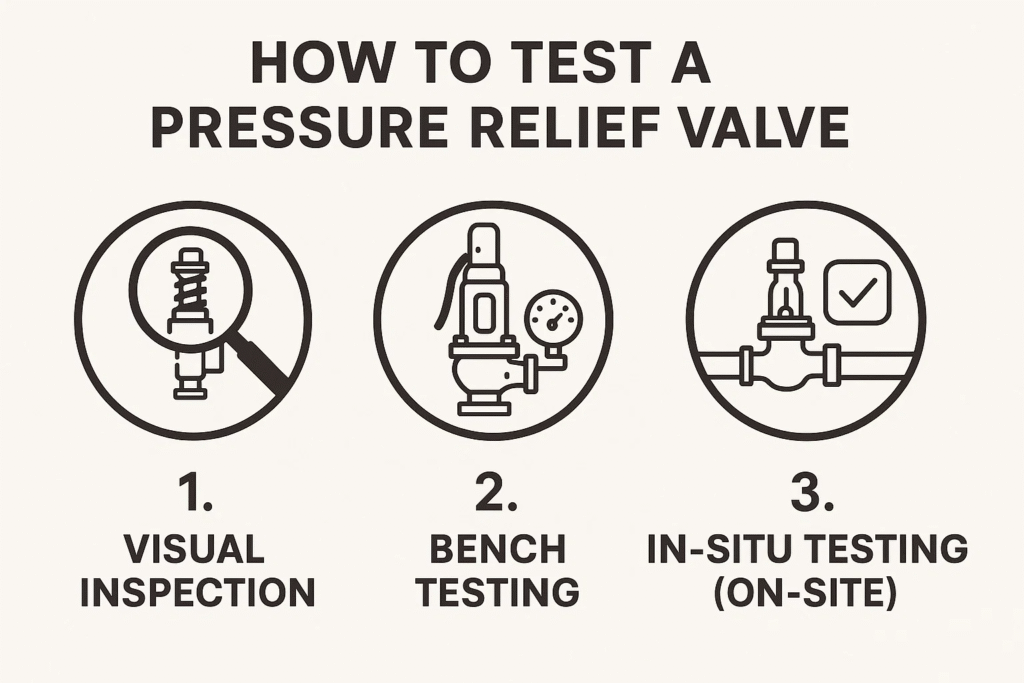
Testing ensures that the PRV operates at the correct set pressure and reseats properly after releasing.
Proper maintenance schedules extend the lifespan of valves and ensure consistent performance.
| Industry Standard | Test Frequency | Maintenance Notes |
|---|---|---|
| API 576 | Annually | More frequent in critical operations |
| ASME Codes | 1–3 years | Depending on service conditions |
| Oil & Gas Best Practices | 6–12 months | Recommended for high-pressure applications |
Manual record-keeping of PRV tests can be time-consuming and prone to error. That’s where Inspections Track Software makes the difference.
This software helps oil and gas companies improve efficiency, reduce downtime, and maintain compliance with global safety standards.
Read more : digital vs analog pressure gauges calibration techniques
Testing and maintaining your Pressure Relief Valves (PRVs) is non-negotiable for safe and efficient oil and gas operations. Following proper inspection routines, applying industry best practices, and leveraging Inspections Track Software can significantly improve compliance and reduce risks.
By combining preventive maintenance with smart inspection technology, you ensure PRVs perform when they are needed most—protecting your people, assets, and bottom line.
Read more : common tank inspection mistakes fixes
Most industry standards, such as API 576, recommend annual testing. However, in high-pressure oil and gas operations, PRVs may require testing every 6–12 months depending on system conditions.
Bench testing involves removing the valve and testing it on a controlled test bench, while in-situ testing is performed on-site without removing the PRV. In-situ testing saves time and reduces downtime but may not provide as detailed results as bench testing.
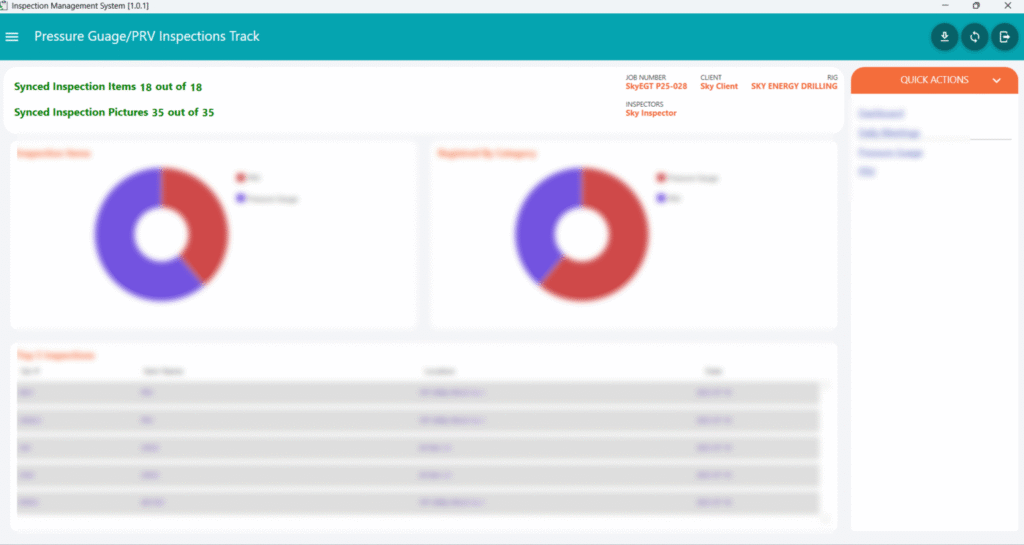
Inspections Track Software automates scheduling, stores inspection records digitally, generates compliance reports, and provides mobile access for on-site updates—helping oil and gas companies reduce downtime and improve safety compliance.

Working at height is one of the most demanding activities in industrial environments. For rope access teams, however, safety depends on more than having the right equipment. Fall protection equipment must also be inspected correctly,…

A flare stack may look like a simple vertical structure standing above a rig or production facility. In reality, it is one of the most important safety systems for handling flammable gases and relieving potentially…


