
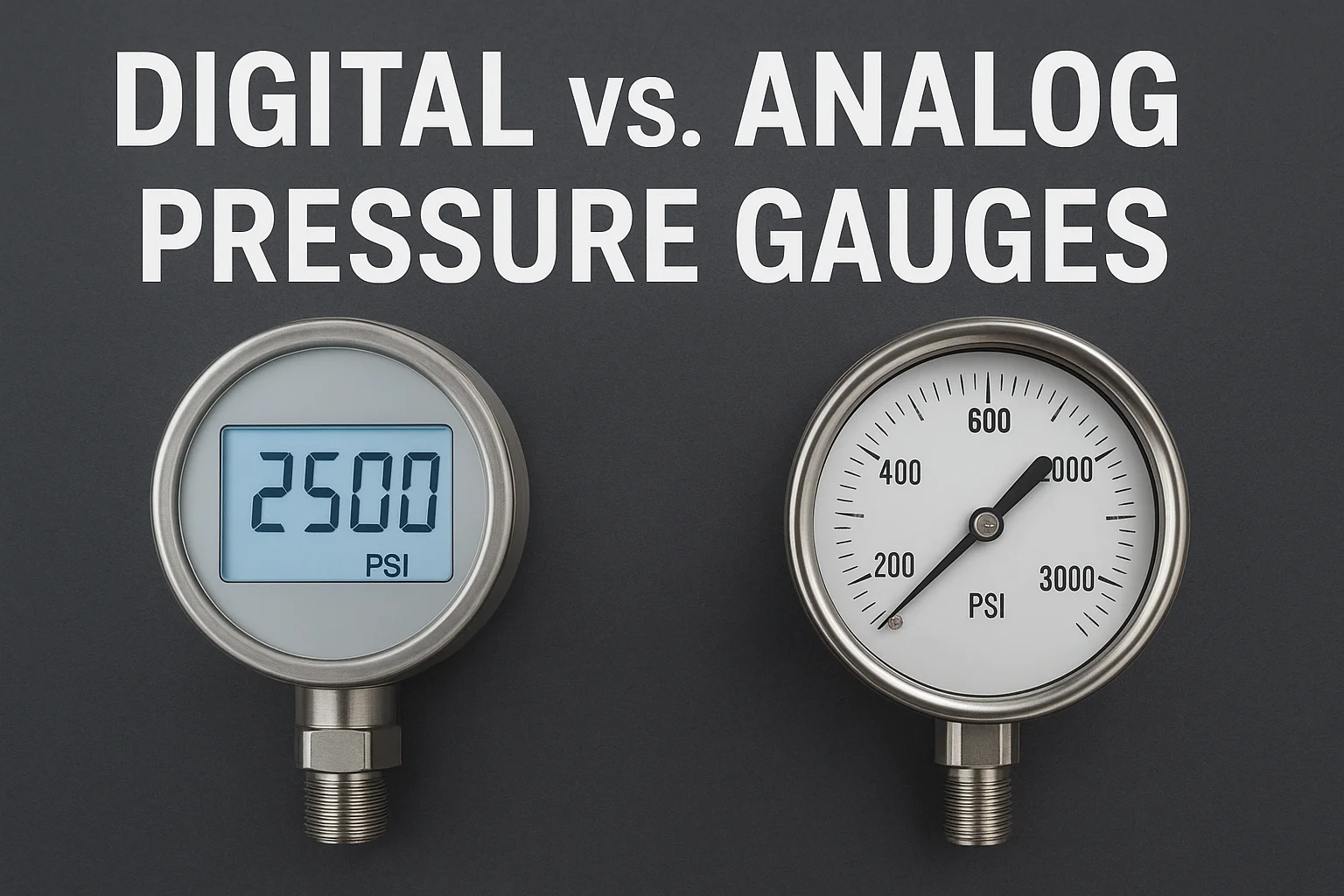
In oil and gas operations, pressure gauges are more than just instruments—they are essential tools that safeguard efficiency and safety. A small calibration error can cause downtime, equipment failure, or even safety hazards. That’s why choosing the right gauge and applying accurate calibration techniques is crucial.
In this article, we compare digital vs analog pressure gauges, highlight calibration practices, and explain how modern tools like InspectionsTrack software streamline the inspection and maintenance process.
Calibration ensures that gauges provide precise readings. Without it, operators risk:
In short, calibration is not optional—it’s an operational necessity.
Digital gauges have gained popularity due to their accuracy and convenience.
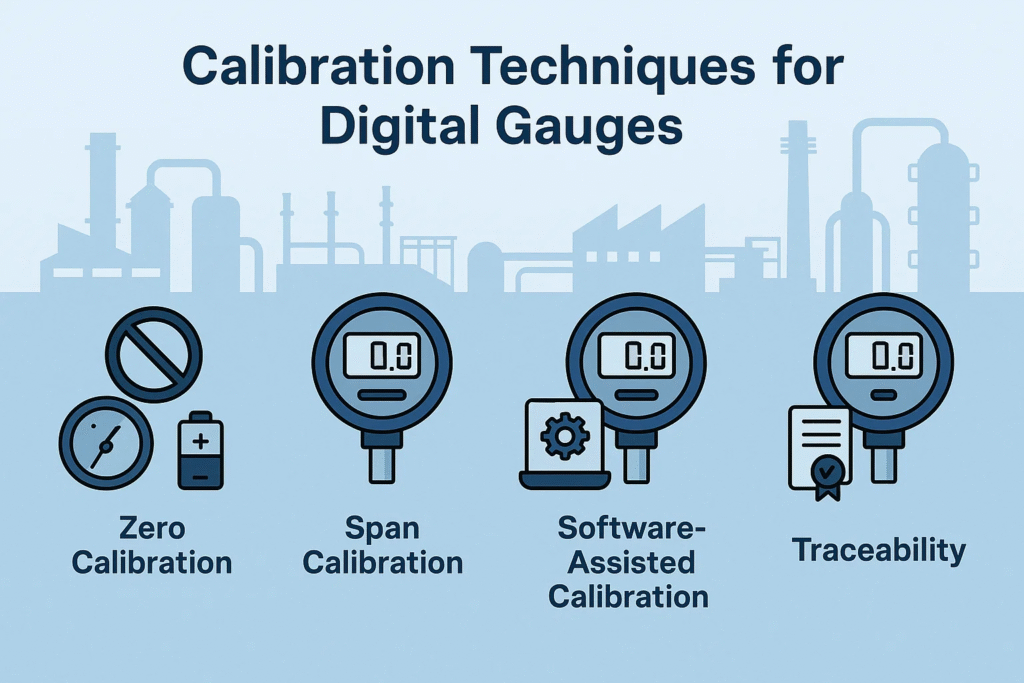
Analog gauges are still widely used in oil and gas due to their simplicity and reliability.
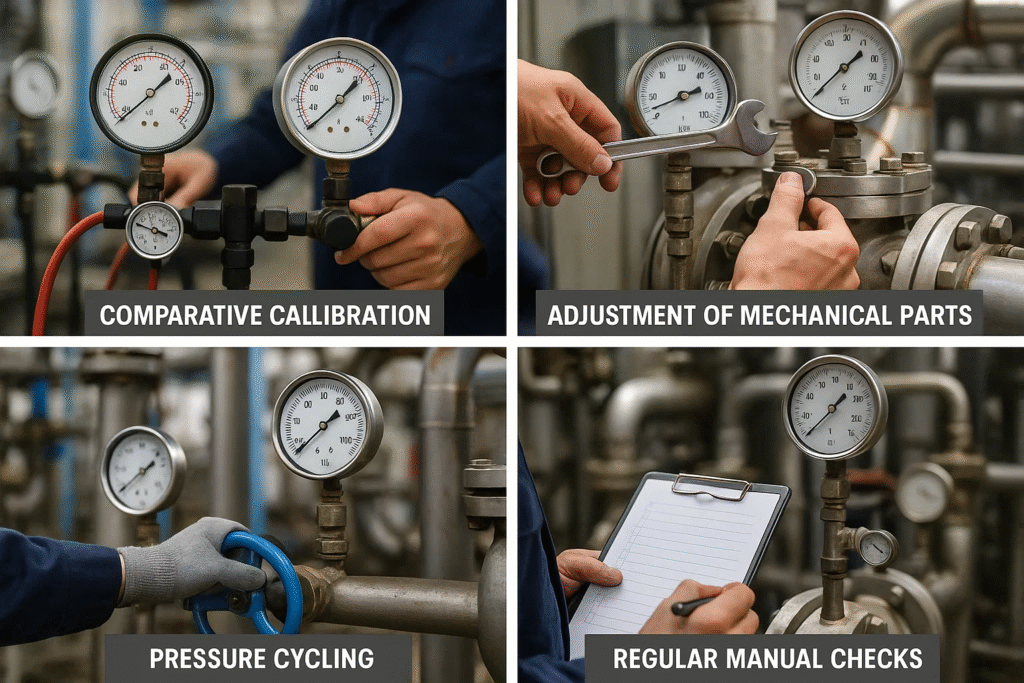
Here’s a side-by-side look at how digital and analog gauges differ in calibration practices:
| Feature/Aspect | Digital Gauge Calibration | Analog Gauge Calibration |
|---|---|---|
| Accuracy | High, often ±0.1% of full scale | Moderate, typically ±1-2% |
| Ease of Use | User-friendly, software-assisted | Requires skilled manual calibration |
| Data Logging | Automatic, exportable | Manual record-keeping |
| Durability in Field | Sensitive to extreme environments | Highly durable and rugged |
| Compliance Tracking | Integrated with inspection software | Requires additional documentation |
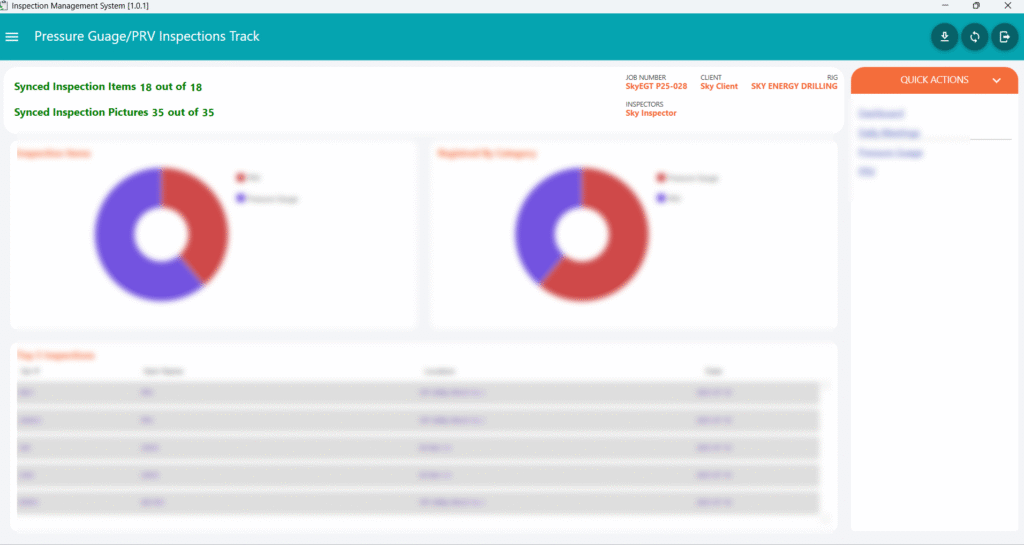
In industries like oil and gas, manual calibration records are often time-consuming and error-prone. That’s where InspectionsTrack software adds value:
When dealing with pressure gauges in oil and gas operations, follow these best practices:
Read more : how can i calibrate a pressure gauge
Both digital and analog pressure gauges play a vital role in oil and gas operations, but their calibration approaches differ significantly. Digital gauges offer unmatched precision and integration with inspection software, while analog gauges remain reliable in rugged conditions.
By combining robust calibration techniques with modern tools like InspectionsTrack software, companies can reduce downtime, ensure compliance, and maintain a safer work environment.
Read more : reducing downtime with proper lifting gear maintenance oil and gas
Most gauges should be calibrated every 6–12 months, depending on usage and operating conditions. Critical gauges may require more frequent checks.
Digital pressure gauges generally offer higher accuracy (±0.1% of full scale), while analog gauges are less precise but more rugged in harsh environments.
Yes, InspectionsTrack software supports both types by automating record-keeping, sending calibration reminders, and generating compliance reports.
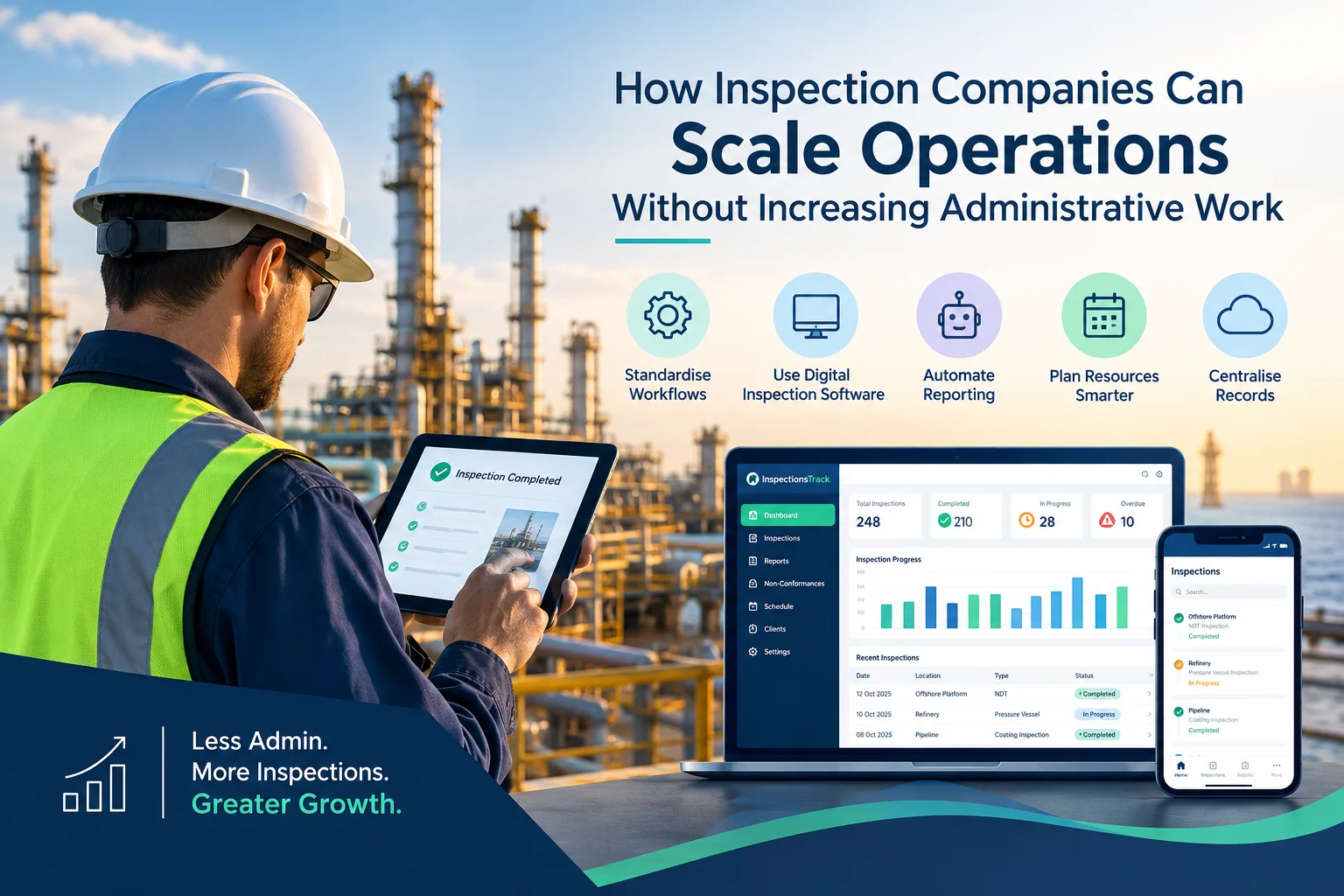
Inspection companies in the oil and gas industry face a common challenge: how to handle more inspections, manage larger projects, and meet client deadlines without increasing administrative workload. As businesses grow, inspection teams must manage…
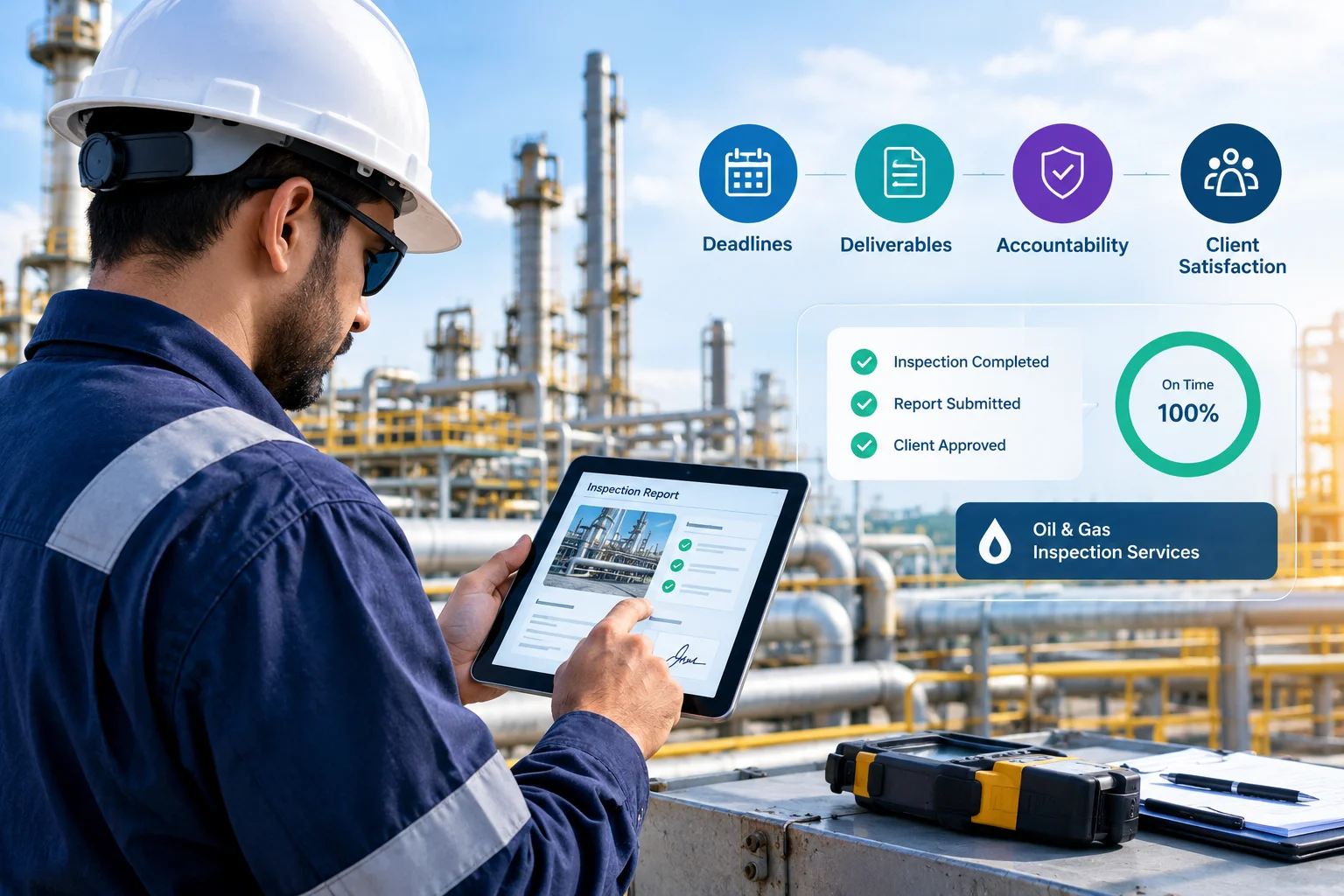
Meeting client Service Level Agreements (SLAs) is essential for inspection companies working in demanding industries such as oil and gas, energy, and industrial maintenance. Clients expect inspections to be completed on time, reports to be…


