
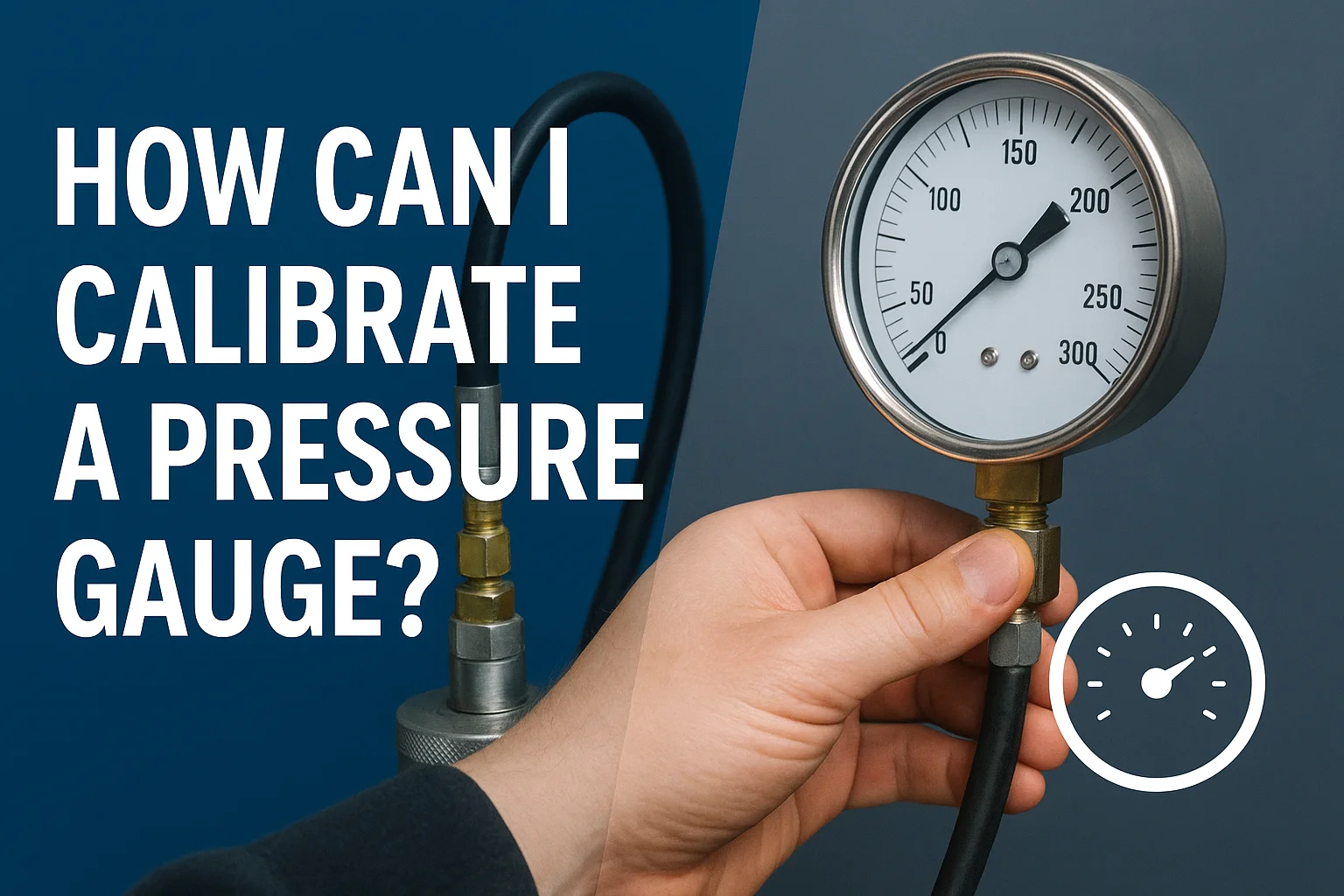
Pressure gauges are essential tools in industries like oil and gas, where safety and accuracy are non-negotiable. Over time, gauges can drift from their true readings due to wear, environmental factors, or regular usage. This is why calibration is necessary—it ensures reliable data, reduces risks, and improves efficiency.
In this guide, we’ll explain how to calibrate a pressure gauge, why it matters, and how digital inspection tools like Inspections Track Software can simplify the process.
Calibration is not just a regulatory requirement; it is also crucial for operational safety and performance. Below are key reasons:
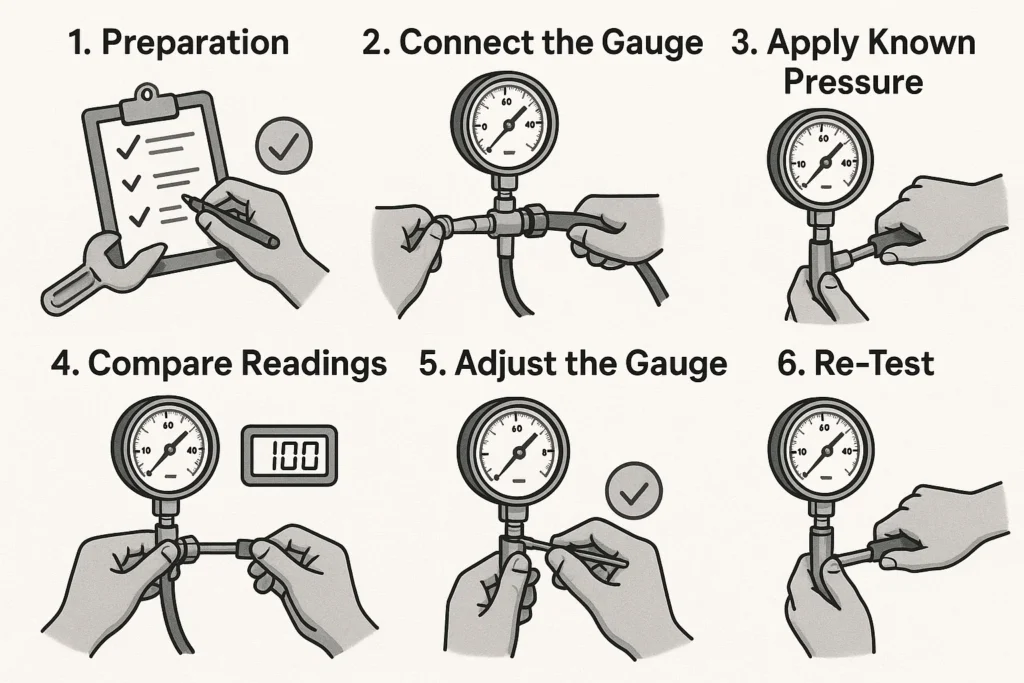
Before starting, make sure you have the following:
| Tool/Equipment | Purpose |
|---|---|
| Master Gauge (Reference Gauge) | Provides the standard accurate reading |
| Pressure Source (Pump or Deadweight Tester) | Generates known pressure values |
| Connecting Hoses/Fittings | To attach test and master gauges |
| Calibration Software (Optional) | Automates logging and reporting |
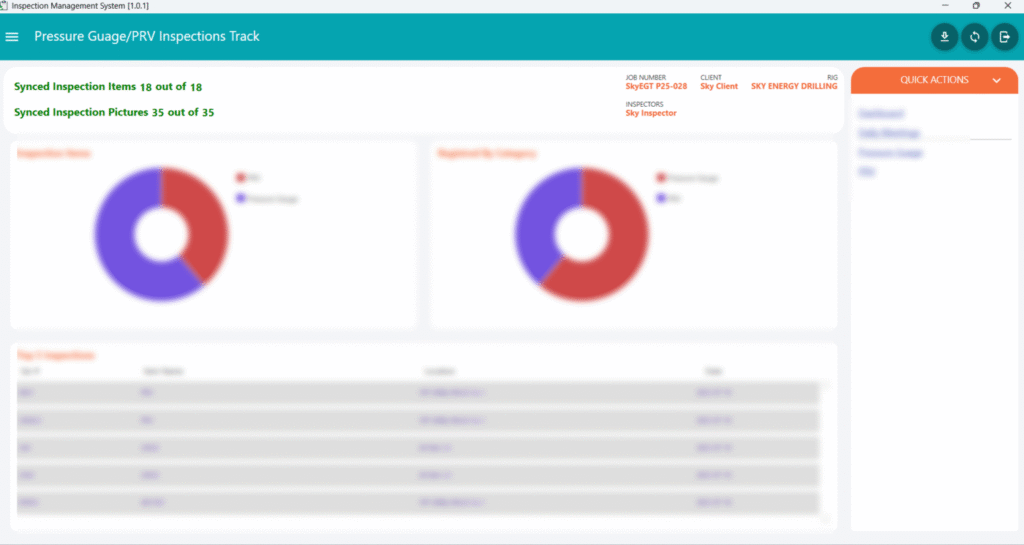
Manual calibration often means paperwork, spreadsheets, and delayed reporting. This is where Inspections Track Pressure Gauge Calibration PRV/Software comes in.
By integrating digital inspections with calibration tasks, companies save time, improve safety, and minimize costly downtime.
read more : how often should pressure gauges be calibrated
Calibrating a pressure gauge is a straightforward but essential process. It safeguards workers, ensures compliance, and keeps operations efficient. By following a structured calibration procedure and adopting digital tools like Inspections Track Software, oil and gas companies can take their maintenance and inspection processes to the next level.
Read more : how does an oil derrick work
At least once a year, or more frequently in high-use or critical applications.
A master gauge, pressure source, fittings, and optional calibration software.
Yes, digital solutions like Inspections Track Software automate records and ensure compliance.
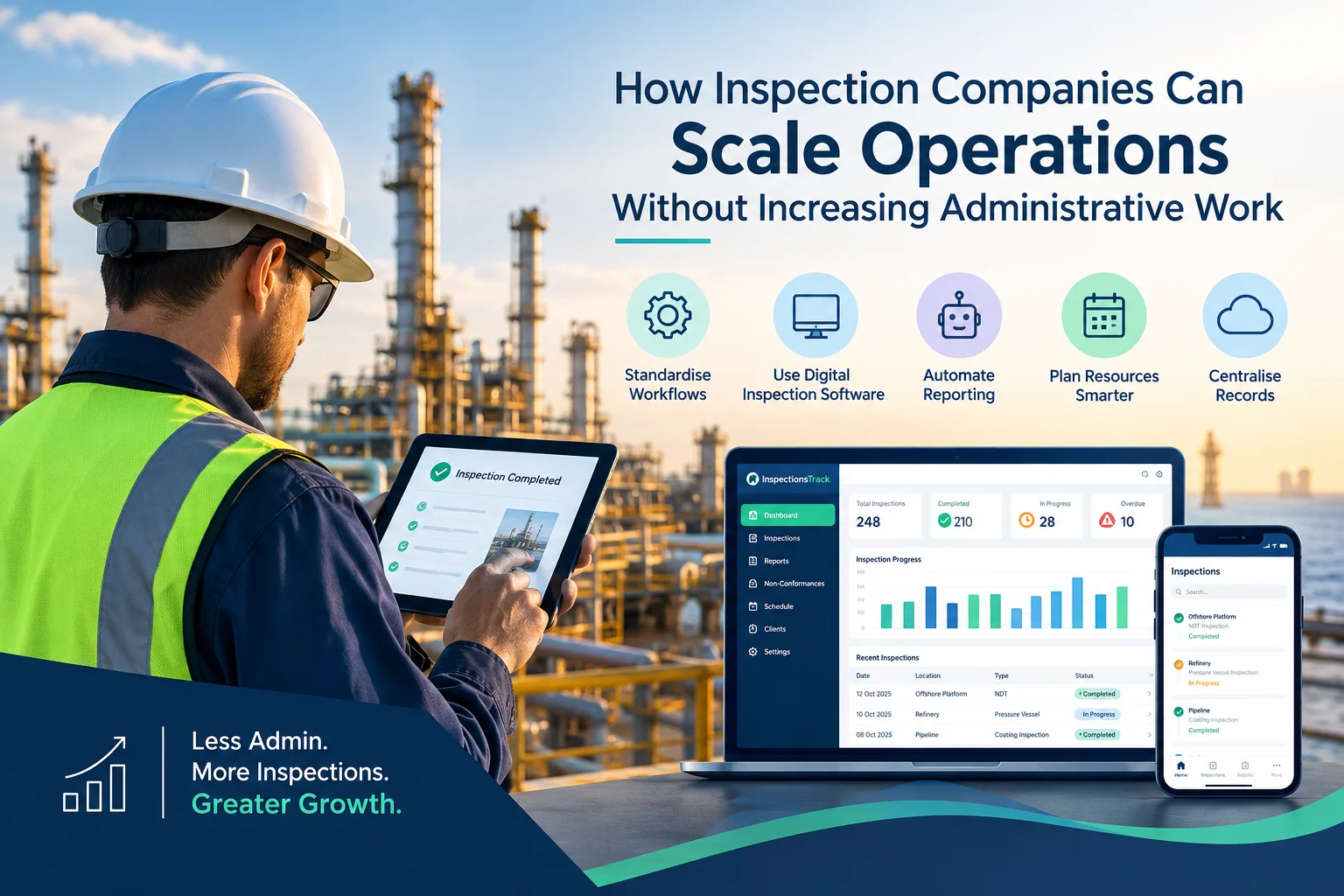
Inspection companies in the oil and gas industry face a common challenge: how to handle more inspections, manage larger projects, and meet client deadlines without increasing administrative workload. As businesses grow, inspection teams must manage…
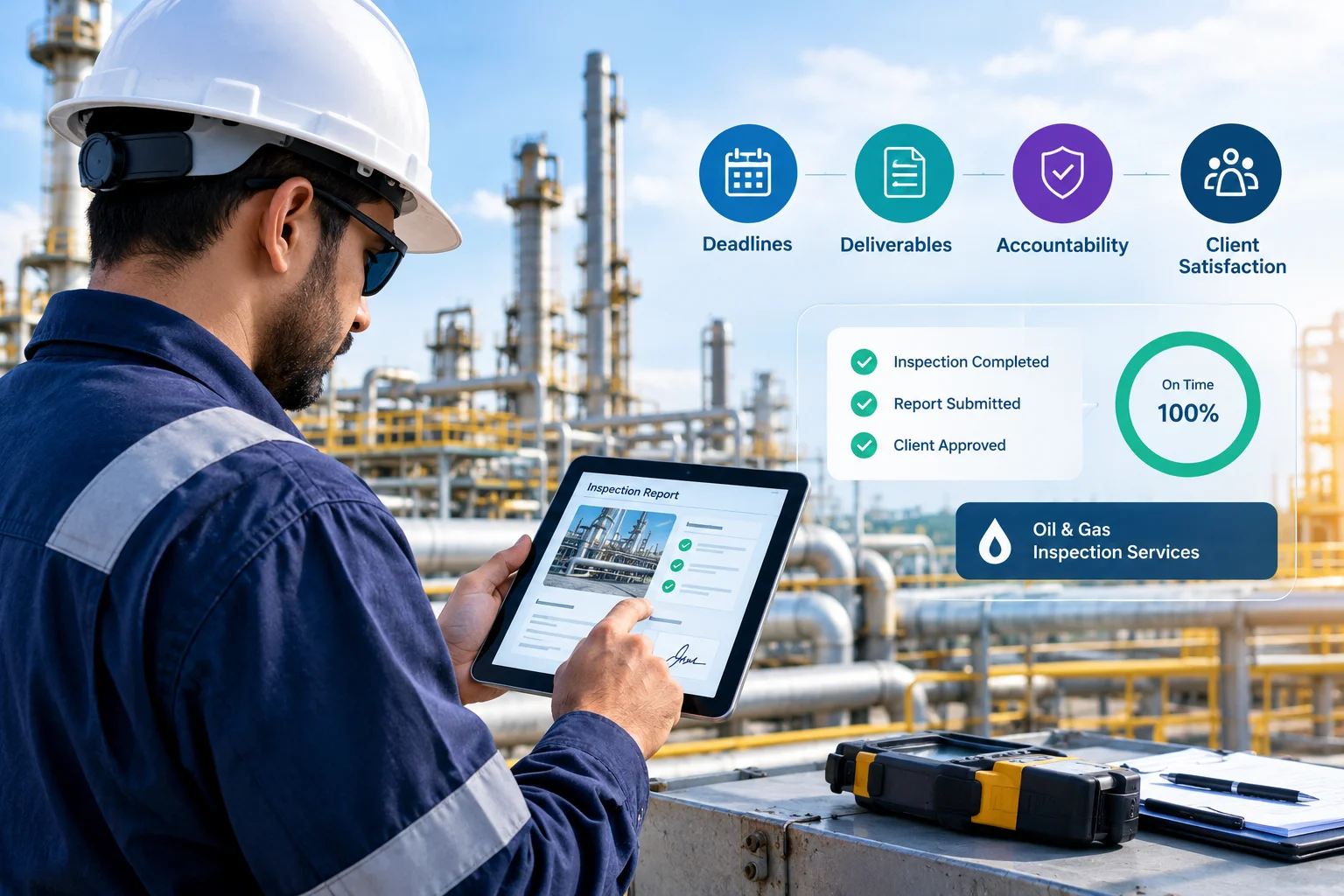
Meeting client Service Level Agreements (SLAs) is essential for inspection companies working in demanding industries such as oil and gas, energy, and industrial maintenance. Clients expect inspections to be completed on time, reports to be…


