

In the high-risk environment of the oil and gas industry, dropped objects remain one of the most common and dangerous hazards. At Inspectionstrack, we’ve conducted a comprehensive Dropped Objects Survey to help companies minimize these risks. In this final report, we reveal critical findings and share safety recommendations to enhance operational safety.
Dropped objects are items that fall from height during operations, often causing injuries, equipment damage, or production delays. These can include tools, structural components, or unsecured materials.

Our final report includes data from multiple offshore rigs using the Inspectionstrack software to collect and analyze data in real time.
| Parameter | Finding |
|---|---|
| Total Surveyed Assets | 120+ Offshore Rigs |
| High-Risk Findings Identified | 340+ Potential Hazard Points |
| Immediate Fixes Recommended | 210 |
| Preventive Measures Suggested | 130 |
Inspectionstrack’s Dropped Objects Inspection Software is designed specifically for the oil and gas sector. Here’s how it simplifies safety management:

To reduce the risk of dropped objects, we recommend the following:
Dropped objects may seem minor until they cause major incidents. The data gathered through Inspectionstrack’s software reveals actionable insights that oil and gas companies can’t afford to ignore.
If you’re serious about improving your safety performance, it’s time to integrate advanced DROPS inspection tools into your workflow.
Readmore : simplifying derrick inspection documentation
A DROPS (Dropped Objects Prevention Scheme) inspection involves identifying, assessing, and mitigating potential hazards from objects that may fall from height on rigs or industrial sites.
Inspectionstrack’s DROPS module allows real-time hazard logging, automated reporting, and customized checklists to proactively manage and reduce risks associated with dropped objects.
Dropped objects can cause serious injuries, costly downtime, and equipment damage—making them a critical safety concern in offshore and high-elevation environments.
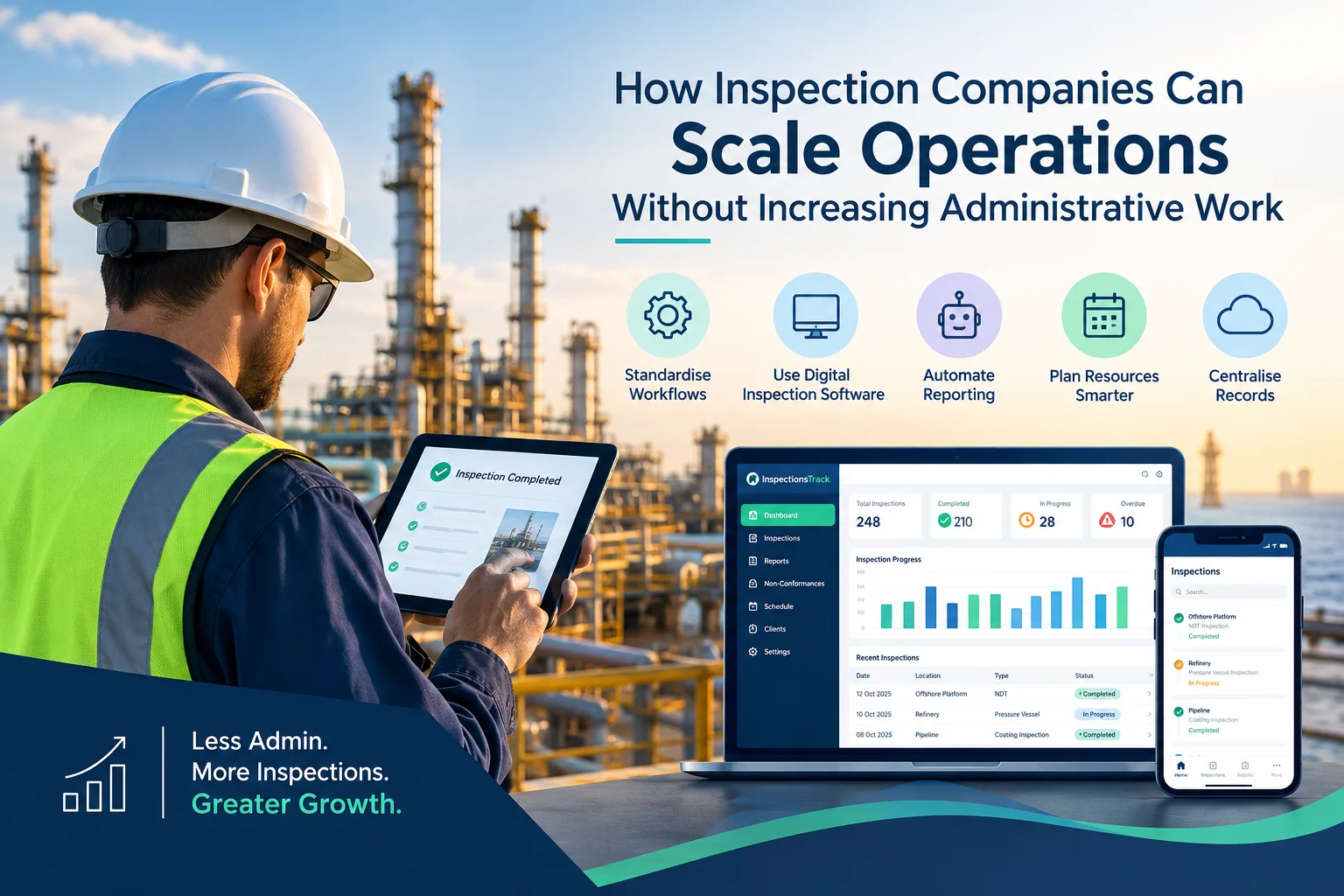
Inspection companies in the oil and gas industry face a common challenge: how to handle more inspections, manage larger projects, and meet client deadlines without increasing administrative workload. As businesses grow, inspection teams must manage…
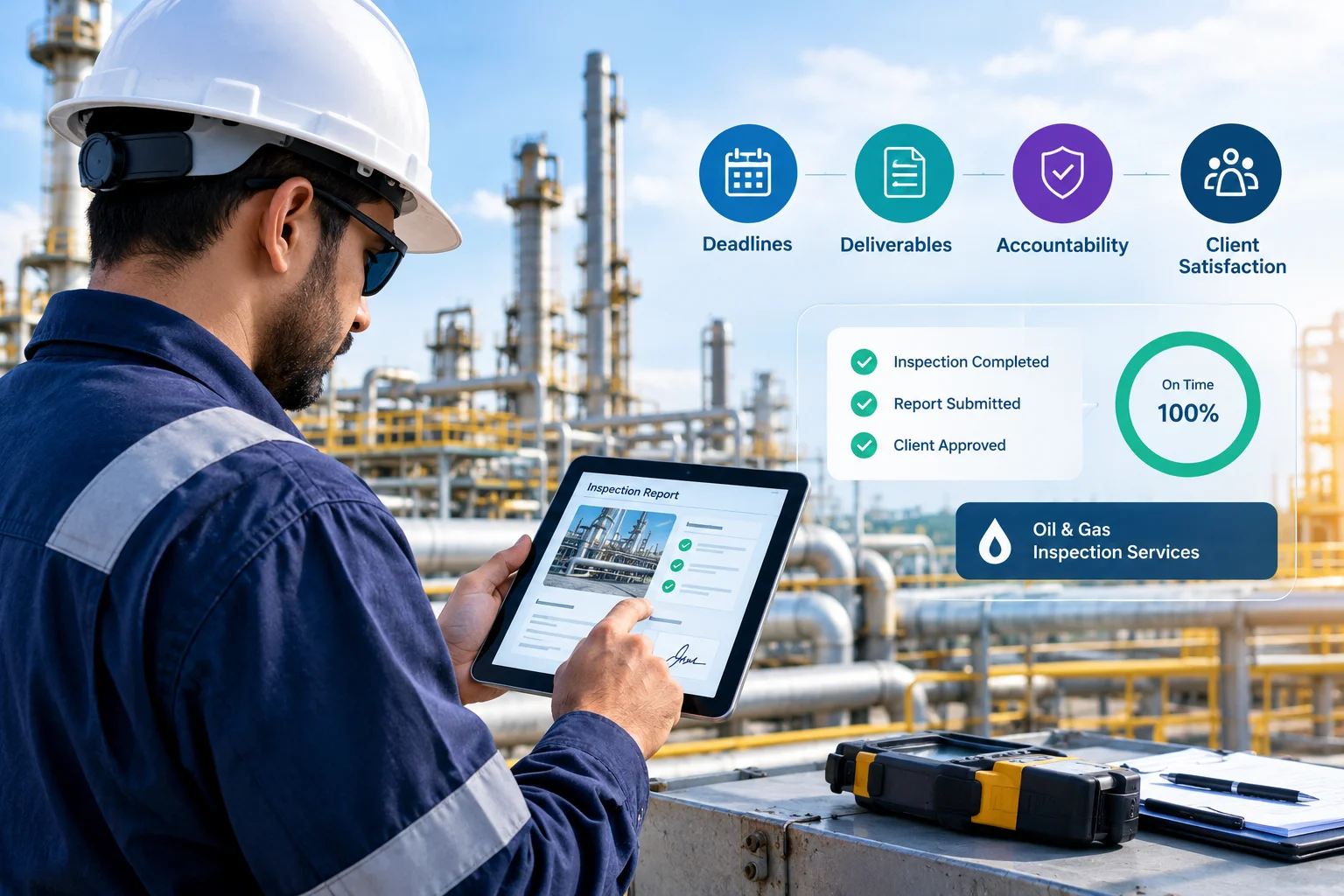
Meeting client Service Level Agreements (SLAs) is essential for inspection companies working in demanding industries such as oil and gas, energy, and industrial maintenance. Clients expect inspections to be completed on time, reports to be…


