
Audits in the oil and gas industry are critical for ensuring safety, compliance, and efficiency. With complex operations and strict regulations, companies must regularly assess their processes to prevent accidents, avoid costly downtime, and maintain trust with regulators and stakeholders.
In this article, we will explore the three main types of audits in oil and gas, why they matter, and how modern tools like Inspections Track Software can make audits more effective and traceable.
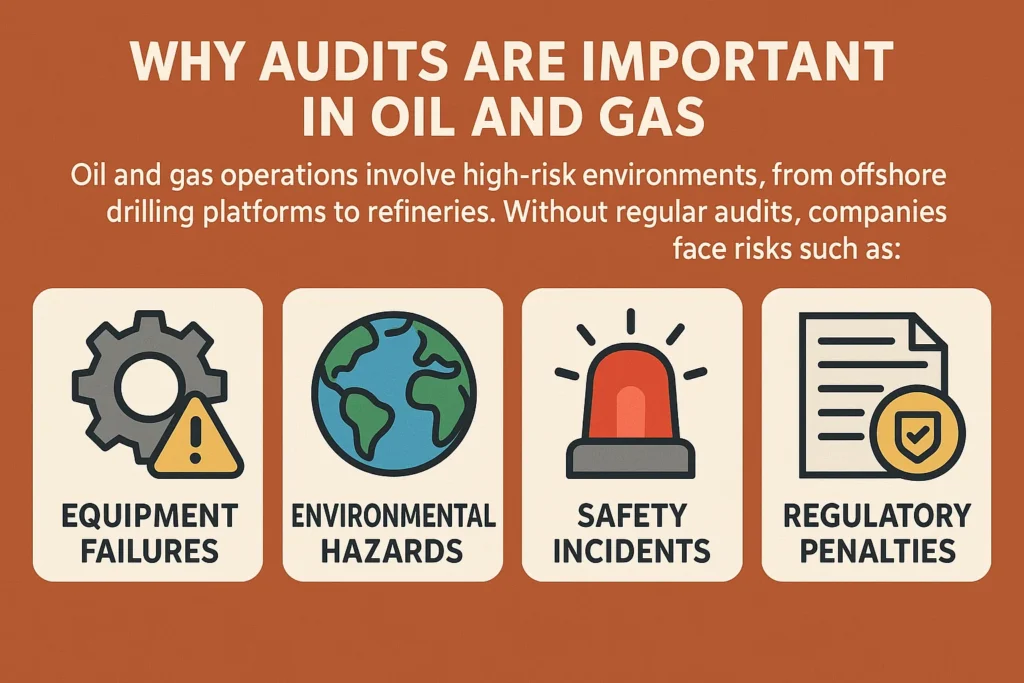
Oil and gas operations involve high-risk environments, from offshore drilling platforms to refineries. Without regular audits, companies face risks such as:
Audits not only help identify risks but also ensure companies follow best practices, maintain compliance, and build a culture of accountability.
Compliance audits check whether operations align with industry standards, regulations, and government laws. They focus on environmental, health, and safety requirements.
Key Features:
Example: Ensuring offshore drilling meets environmental guidelines and safety regulations.
Operational audits review the efficiency and effectiveness of day-to-day processes. The goal is to optimize resources, reduce waste, and improve safety outcomes.
Key Features:
Example: An audit of refinery operations to improve production rates and minimize downtime.
Financial audits evaluate the accuracy and transparency of financial records in oil and gas companies. Given the high value of assets and investments in this sector, financial audits are crucial for credibility.
Key Features:
Example: Auditing drilling project expenses to confirm accurate reporting to investors.
| Audit Type | Focus Area | Key Benefits |
|---|---|---|
| Compliance Audit | Regulations & Legal Standards | Avoid penalties, ensure safety, meet legal needs |
| Operational Audit | Daily Processes & Efficiency | Optimize resources, reduce downtime |
| Financial Audit | Records & Accounting | Transparency, fraud prevention, investor trust |
Traditional audits in oil and gas often rely on paperwork and manual reporting, which can be time-consuming and prone to errors. This is where Inspections Track Software comes in.
With its digital solutions tailored for the oil and gas industry, it helps:
✅ Automate data collection and reporting
✅ Ensure audit traceability and consistency
✅ Provide real-time insights into compliance and operations
✅ Simplify communication between auditors and teams
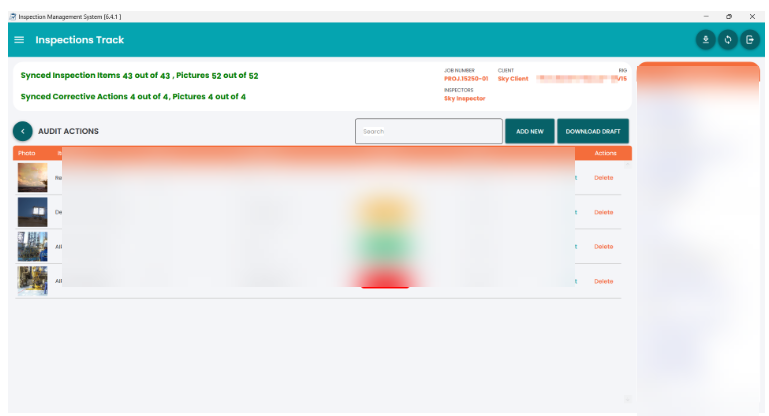
By using Inspections Track, companies can make audits more accurate, faster, and cost-effective, while also improving safety and regulatory compliance.
The three main types of audits in oil and gas — compliance, operational, and financial — play a vital role in keeping operations safe, legal, and efficient. Leveraging technology like Inspections Track Software ensures audits are no longer just about checking boxes but about driving long-term improvements in safety, productivity, and trust.
👉 If your company is ready to modernize its audit processes, adopting Inspections Track is the next step toward efficiency and compliance.
Read more : hazards of the helideck in oil gas explained
Compliance, operational, and financial audits ensure safety, efficiency, and transparency in oil and gas operations.
They help prevent accidents, ensure regulatory compliance, improve efficiency, and build trust with stakeholders.
It automates reporting, improves accuracy, ensures traceability, and makes oil and gas audits faster and more effective.
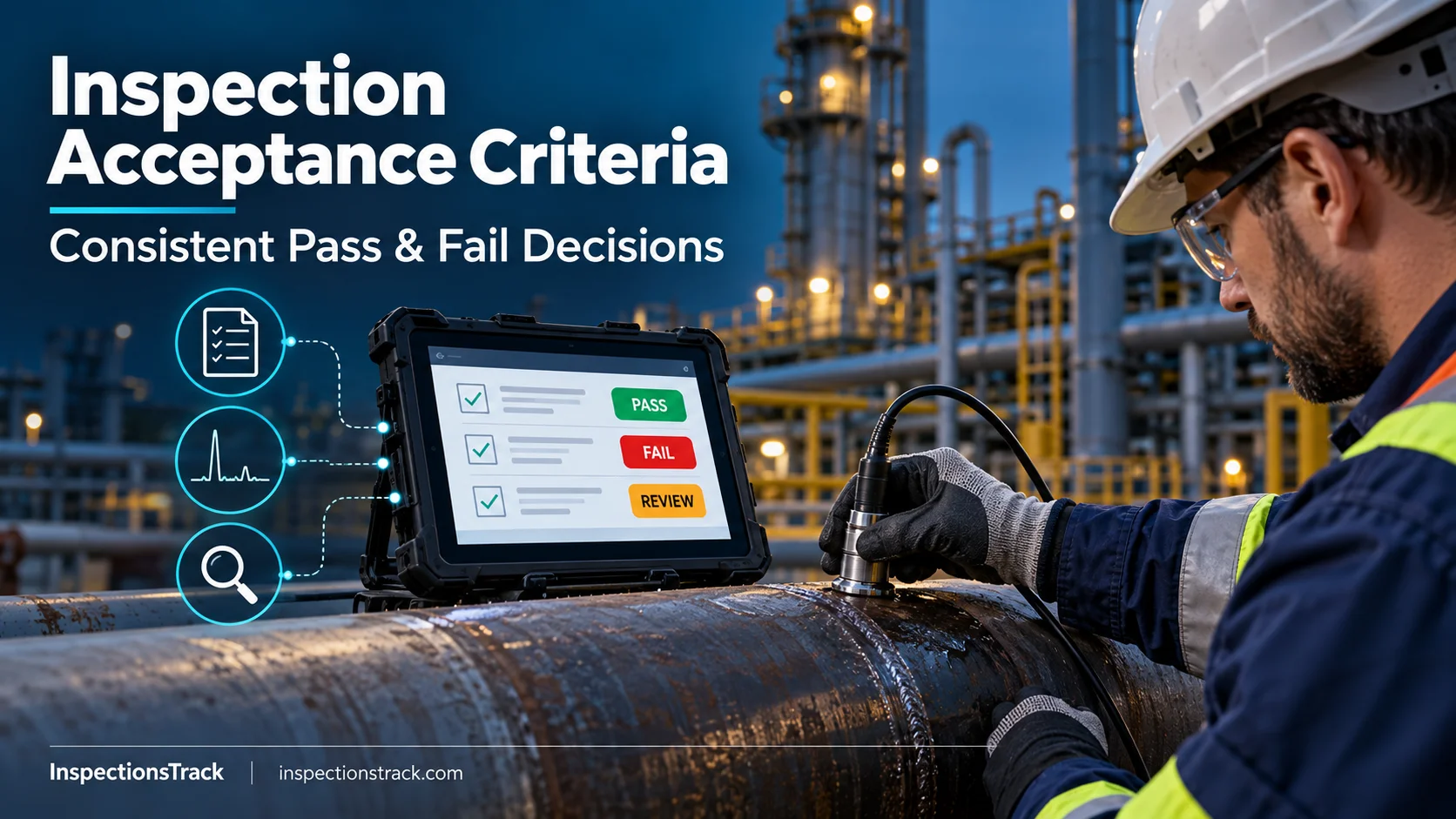
In oil and gas inspections, a pass or fail decision can affect equipment reliability, operational safety, compliance, and project timelines. However, when inspectors interpret acceptance criteria differently, the same equipment may receive different inspection results….
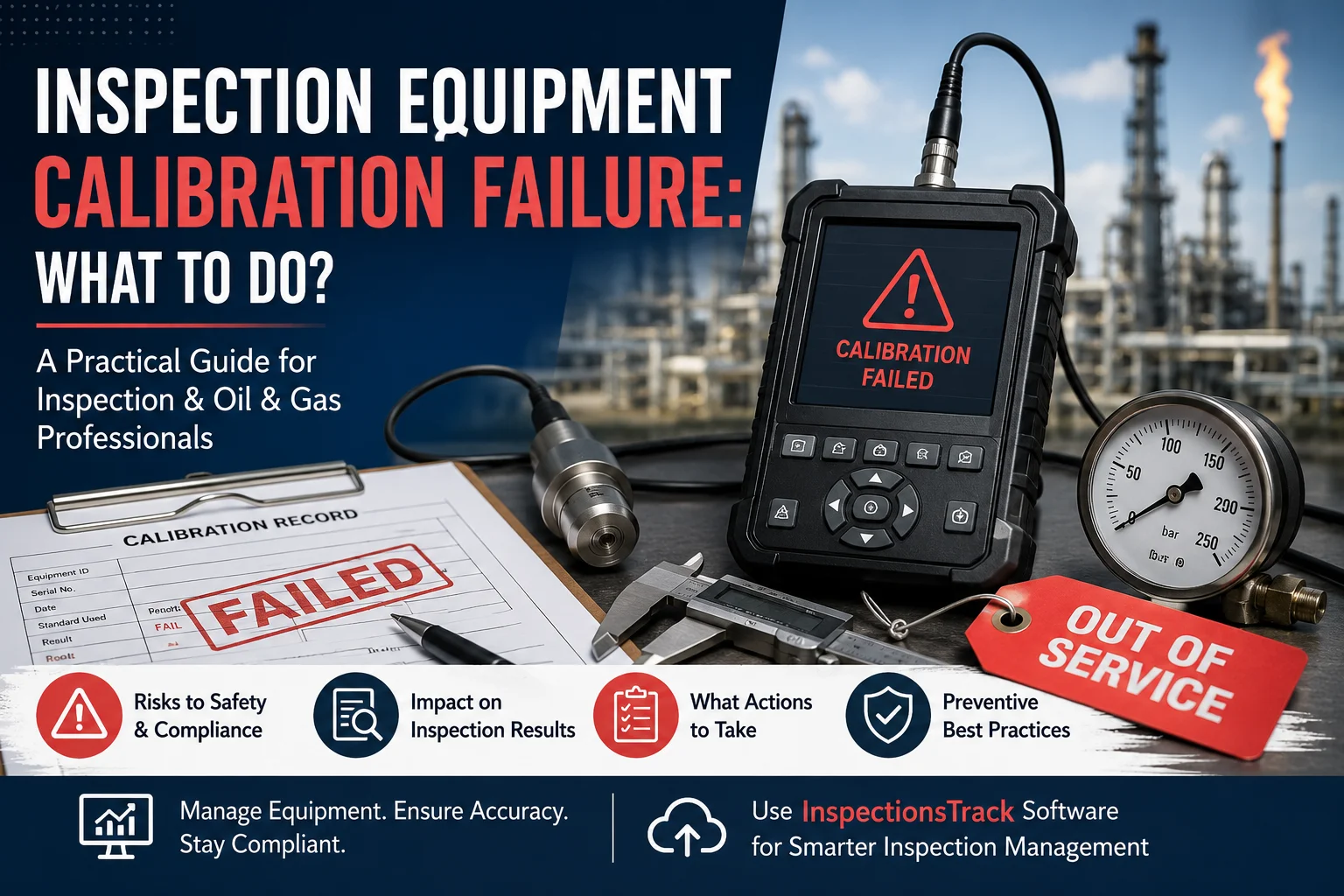
Inspection equipment plays a critical role in oil and gas, NDT, manufacturing, and industrial inspection. Inspectors rely on calibrated equipment to produce accurate and defensible results. But what happens when inspection equipment fails calibration? A…


