
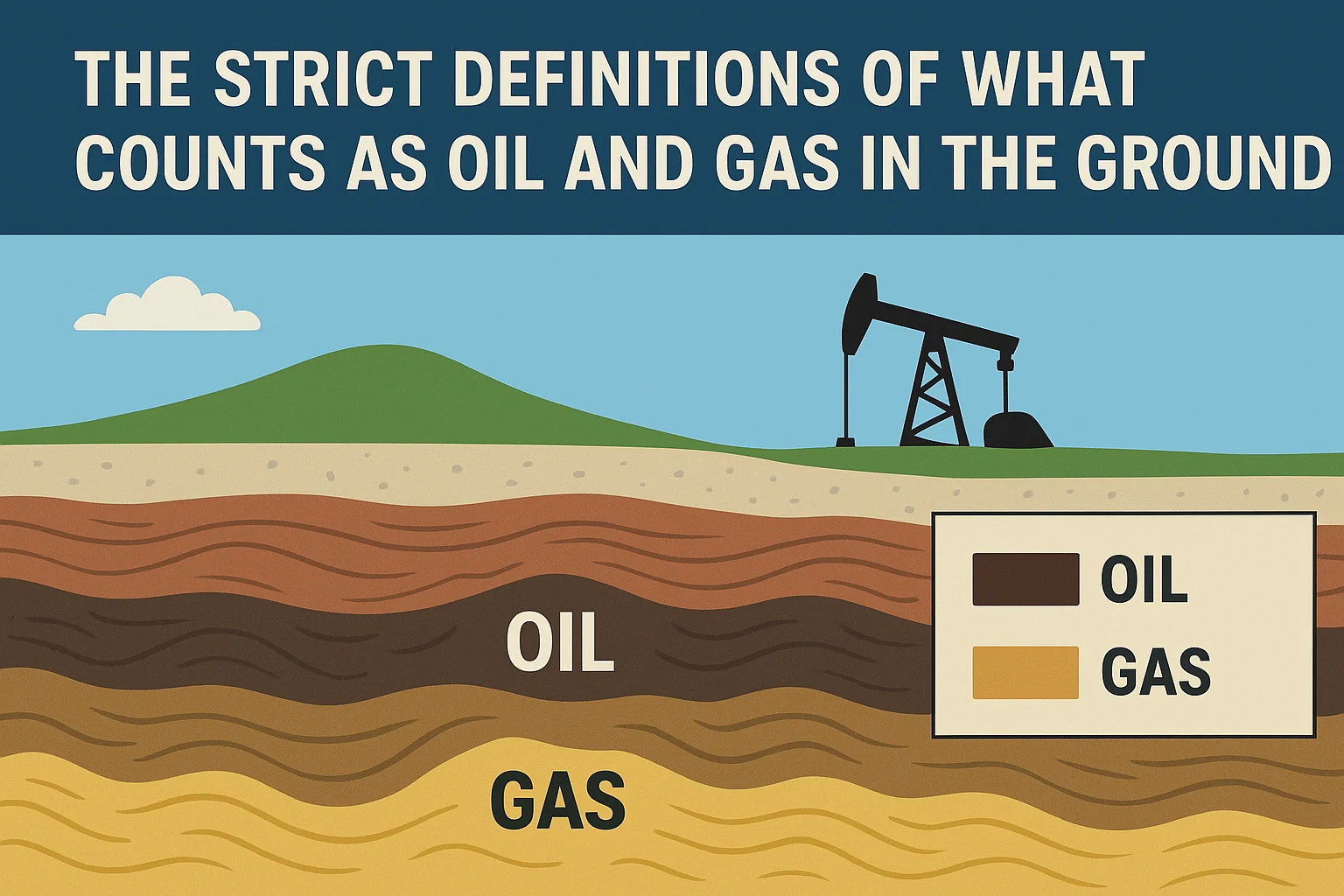
Understanding what legally and technically qualifies as “oil” and “gas” in the ground is crucial for the energy sector. From exploration rights to taxation and production reporting, precise definitions determine ownership, measurement, and compliance. These definitions are not just scientific—they shape global trade, investment, and sustainability goals in the oil and gas industry.
In this blog, we’ll explore how different authorities define these natural resources, why the distinctions matter, and how digital inspection tools like Inspections Track Software help oil and gas companies stay compliant with global standards.
At the most basic level:
However, definitions vary depending on the regulatory body, country, or context of use (e.g., exploration, taxation, or production).
| Term | Definition | Common Use |
|---|---|---|
| Crude Oil | Naturally occurring liquid hydrocarbons, often mixed with sulfur and other impurities. | Extraction and refining processes. |
| Condensate | Light hydrocarbons that condense from gas under surface conditions. | Used in gas field operations. |
| Natural Gas | Hydrocarbons in gaseous form, primarily methane. | Energy generation, heating, and industrial use. |
| Bitumen / Tar Sands | Extra-heavy oil requiring special extraction methods. | Unconventional oil production. |
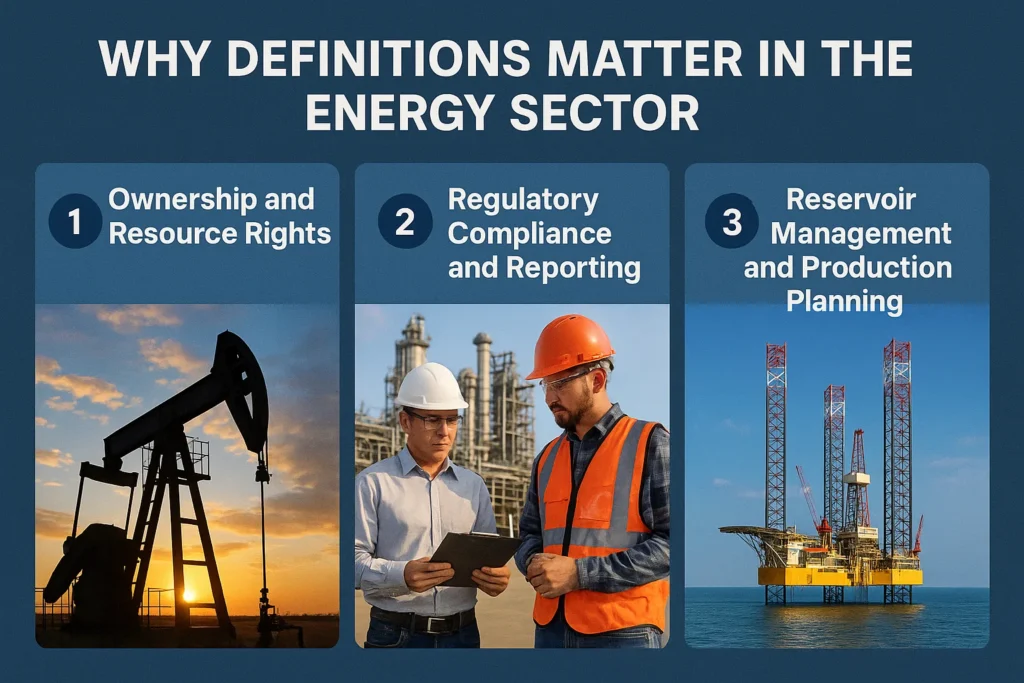
Precise definitions of oil and gas play a critical role in nearly every operational and regulatory area of the energy industry. Let’s look at how:
In most countries, resource ownership depends on clear classification. Whether a hydrocarbon reservoir counts as oil or gas affects licensing, taxation, and royalties. For example, gas royalties may differ significantly from oil royalties under national laws.
Regulatory agencies like the U.S. Energy Information Administration (EIA) and OPEC set standards to ensure consistent data reporting. Companies must accurately classify production to comply with environmental and fiscal reporting standards.
Understanding the phase (liquid or gas) of hydrocarbons impacts drilling techniques, pressure management, and recovery methods. Incorrect classification could lead to inefficient extraction or reservoir damage.
Hydrocarbons can exist in different states depending on pressure, temperature, and composition. Engineers use these parameters to determine whether a field should be categorized as oil or gas.
| Parameter | Oil Reservoir | Gas Reservoir |
|---|---|---|
| Pressure | Lower | Higher |
| Temperature | Moderate | High |
| Hydrocarbon Composition | Heavier (C5+) | Lighter (C1–C4) |
| Surface State | Liquid | Gaseous |
This classification ensures that production systems, pipelines, and processing units are designed to handle the specific type of hydrocarbon safely and efficiently.
The modern oil and gas industry increasingly relies on digital solutions to improve accuracy, traceability, and regulatory compliance. Technologies such as IoT sensors, AI-based analytics, and inspection management platforms help ensure that resource classification, extraction, and storage meet international standards.
Key technologies include:
Inspections Track Software is designed specifically for the oil and gas inspection industry. It helps organizations:

With features like RFID-enabled tracking, AI-powered reporting, and custom inspection templates, Inspections Track enables energy companies to maintain operational excellence while adhering to strict definitions and compliance frameworks.
With growing emphasis on energy transition and carbon neutrality, defining what counts as oil and gas also plays a role in climate reporting. For instance:
As the world moves toward decarbonization, accurate classification will help policymakers and operators align with ESG (Environmental, Social, and Governance) standards.
The definitions of oil and gas go far beyond chemistry—they influence ownership, compliance, technology adoption, and sustainability. In an industry where precision is everything, staying aligned with these strict definitions is non-negotiable.
By leveraging Inspections Track Software, companies in the oil and gas sector can ensure accurate classification, compliance assurance, and digital transformation across every stage of their operations.
Read more : enhanced oil recovery mechanisms
They determine ownership rights, taxation structures, and compliance requirements in the energy industry.
Based on hydrocarbon composition, pressure, and temperature at reservoir and surface conditions.
Platforms like Inspections Track Software automate inspection processes, ensure accurate data capture, and simplify compliance reporting.
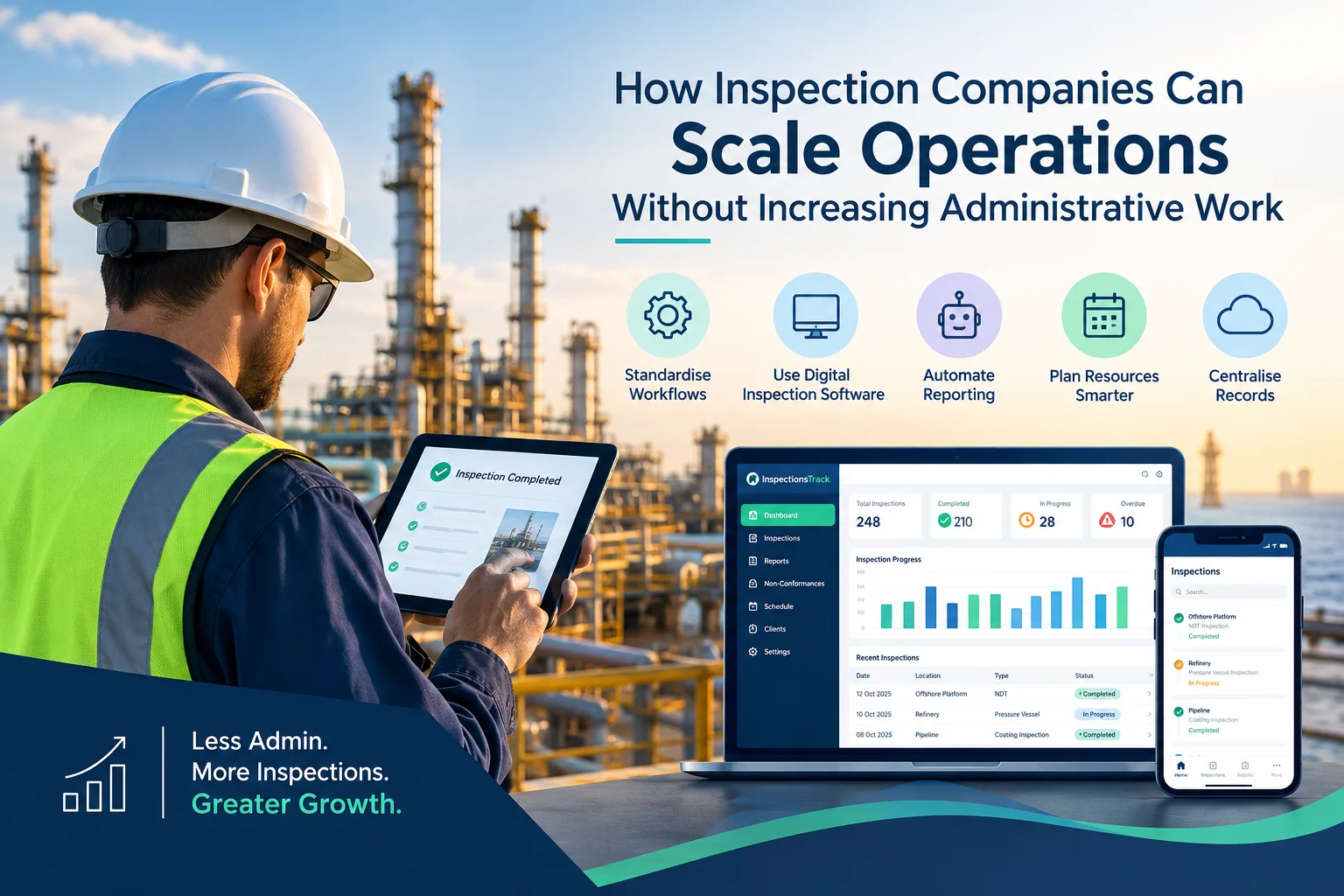
Inspection companies in the oil and gas industry face a common challenge: how to handle more inspections, manage larger projects, and meet client deadlines without increasing administrative workload. As businesses grow, inspection teams must manage…

Meeting client Service Level Agreements (SLAs) is essential for inspection companies working in demanding industries such as oil and gas, energy, and industrial maintenance. Clients expect inspections to be completed on time, reports to be…


