

In the oil and gas industry, audits are a critical part of maintaining operational safety, regulatory compliance, and equipment reliability. But when audits fail, the consequences can be costly—both financially and reputationally. Understanding why audits fail and what lessons can be learned from those failures is essential for future success.
In this guide, we’ll uncover the top lessons learned from failed oil and gas inspections, how to avoid repeat mistakes, and how tools like Inspection Track software can streamline your audit preparation and tracking.
Audits don’t fail by accident. Most failures can be traced back to a few avoidable issues:

| Common Reason for Audit Failure | Description |
|---|---|
| Poor Documentation | Incomplete, outdated, or missing records |
| Lack of Compliance Knowledge | Teams unaware of current industry regulations |
| Inconsistent Inspection Schedules | Missed or delayed equipment checks |
| Manual Processes & Errors | Data entry mistakes, loss of records |
| Inadequate Training | Personnel not trained to spot or fix issues |
One of the most common red flags in a failed audit is poor documentation. Regulatory bodies like OSHA or API require detailed records of all inspections, maintenance, and repairs. If your documentation is missing or inconsistent, you’re likely to fail—even if your operations are otherwise sound.
Regulations in oil and gas evolve constantly. If your team isn’t up-to-date, you risk non-compliance—even unintentionally.
Relying on spreadsheets or paper logs is no longer practical. Manual systems often lead to:
Switch to Inspection Track, which offers:
A one-time training at onboarding isn’t enough. Continuous learning is key.
Many companies treat audits as isolated events. In reality, audit readiness should be a continuous process.
| Reactive Approach | Proactive Approach |
|---|---|
| Scramble before audits | Ongoing inspection readiness |
| Shortcuts to meet deadlines | Long-term culture of safety |
| High audit stress levels | Confidence and compliance |
Inspection Track is an end-to-end inspection software built specifically for the oil and gas inspection industry. Here’s how it helps avoid common audit pitfalls:

Whether you’re managing offshore rigs, pipelines, or refineries, Inspection Track gives you complete control and visibility over your inspection process.
Failed audits aren’t just setbacks—they’re opportunities for improvement. By learning from common mistakes, upgrading your inspection systems, and training your team continuously, you can turn failures into long-term strengths.
Read more : essential derrick survey integrity checks
Poor documentation and outdated inspection records are the leading causes of audit failures.
Software like Inspection Track automates scheduling, standardizes reports, and keeps data audit-ready.
Yes, in most cases, failed audits are documented and reported to regulatory bodies.
Absolutely. Conduct a root cause analysis, correct the issues, and implement a continuous improvement plan.
If you want to reduce audit stress and improve your compliance game, start with smarter inspections.
👉 Try Inspection Track today and take the guesswork out of oil & gas inspections.
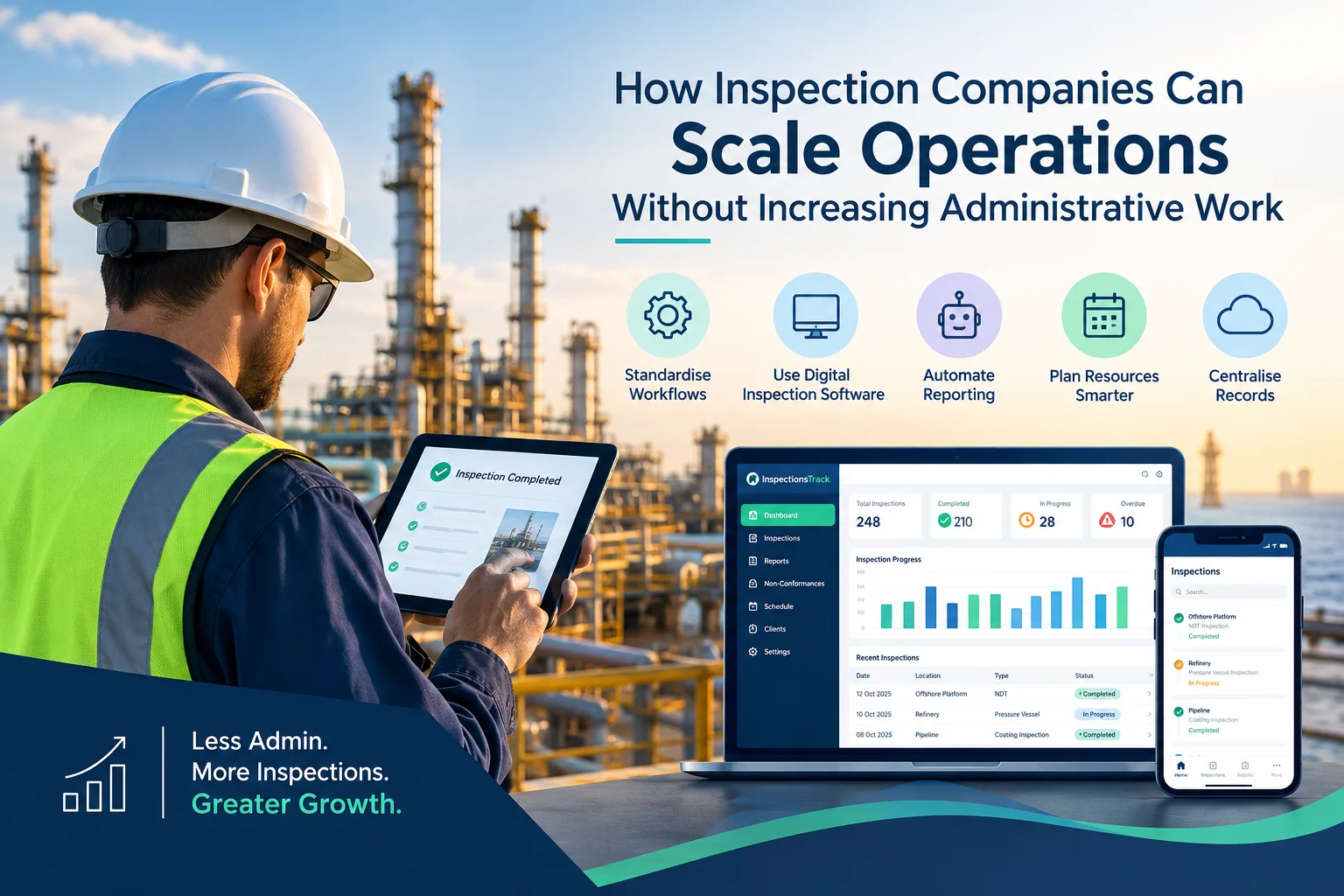
Inspection companies in the oil and gas industry face a common challenge: how to handle more inspections, manage larger projects, and meet client deadlines without increasing administrative workload. As businesses grow, inspection teams must manage…

Meeting client Service Level Agreements (SLAs) is essential for inspection companies working in demanding industries such as oil and gas, energy, and industrial maintenance. Clients expect inspections to be completed on time, reports to be…


