
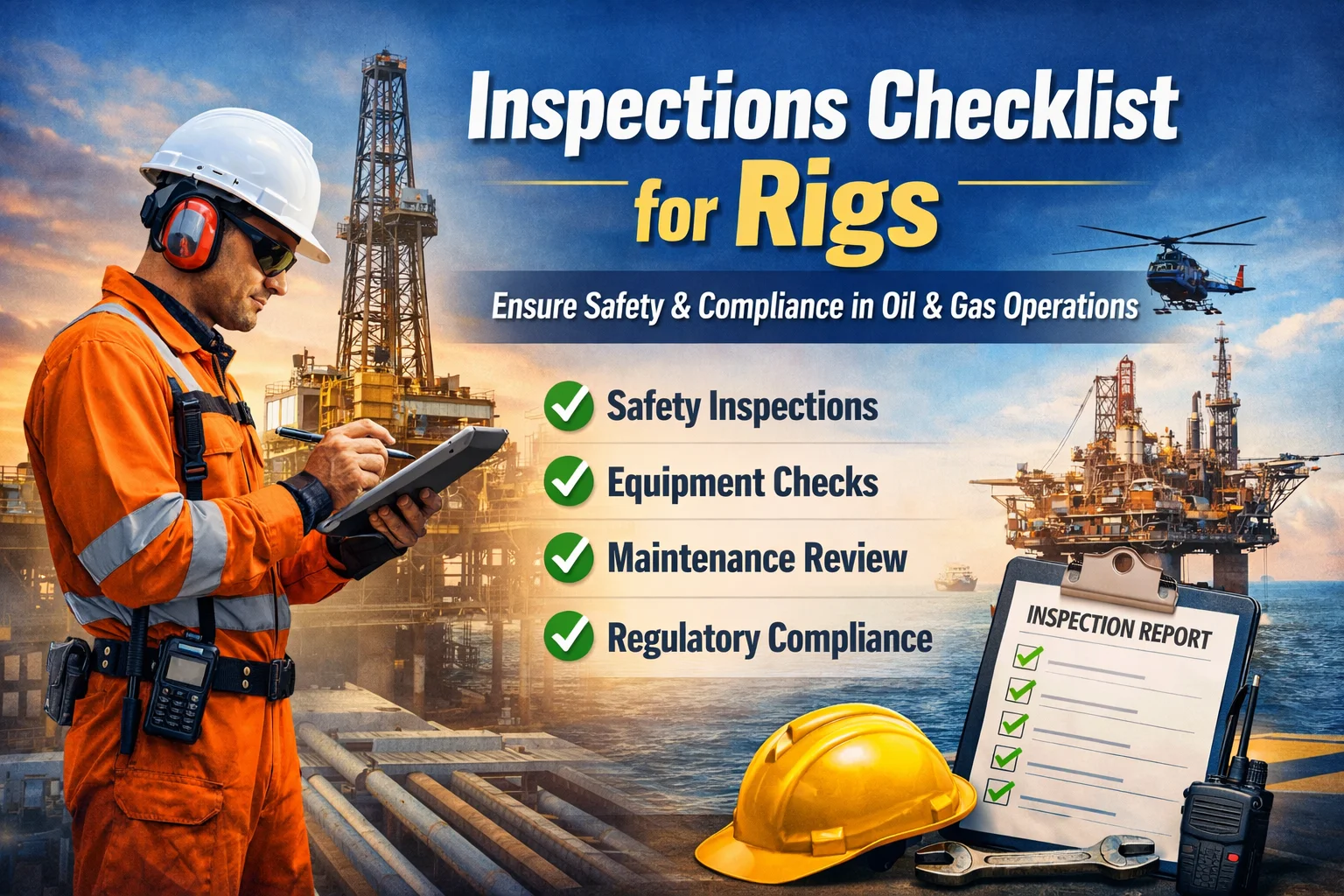
In the oil and gas industry, rig inspections are critical for maintaining operational safety, regulatory compliance, and equipment reliability. A comprehensive inspections checklist for rigs helps companies prevent accidents, reduce downtime, and optimize asset performance. With modern digital tools like InspectionsTrack, inspection processes have become more efficient, traceable, and audit-ready.
Rig operations involve heavy machinery, high-pressure systems, and hazardous environments. Without regular inspections, minor issues can escalate into costly accidents.
An effective rig inspection checklist must cover all critical areas of the operation.
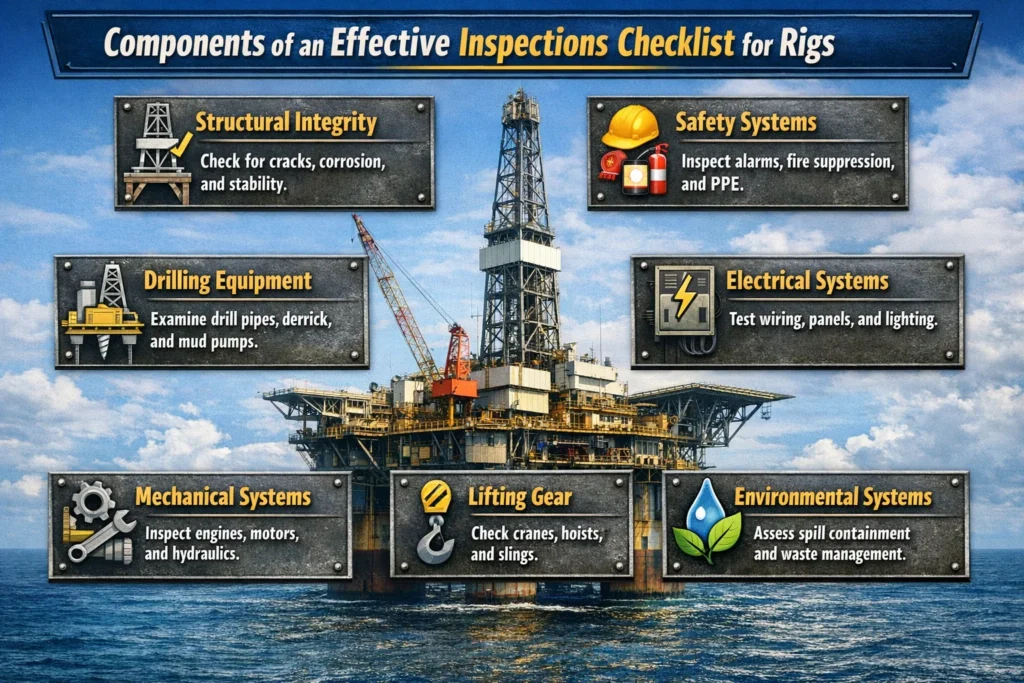
| Inspection Category | Key Points to Check | Frequency |
|---|---|---|
| Structural Integrity | Derrick, substructure, rig floor | Monthly/Quarterly |
| Safety Systems | Fire suppression, alarms, lifeboats | Weekly/Monthly |
| Drilling Equipment | Mud pumps, rotary tables, drill string | Daily/Shift-based |
| Electrical Systems | Generators, transformers, cabling | Monthly/Quarterly |
| Mechanical Systems | Cranes, hoists, winches | Weekly/Monthly |
| Lifting Gear | Slings, shackles, hooks | Before each use |
| Environmental Systems | Spill containment, waste disposal | Weekly/Monthly |
While a checklist provides guidance, consistent execution is crucial.
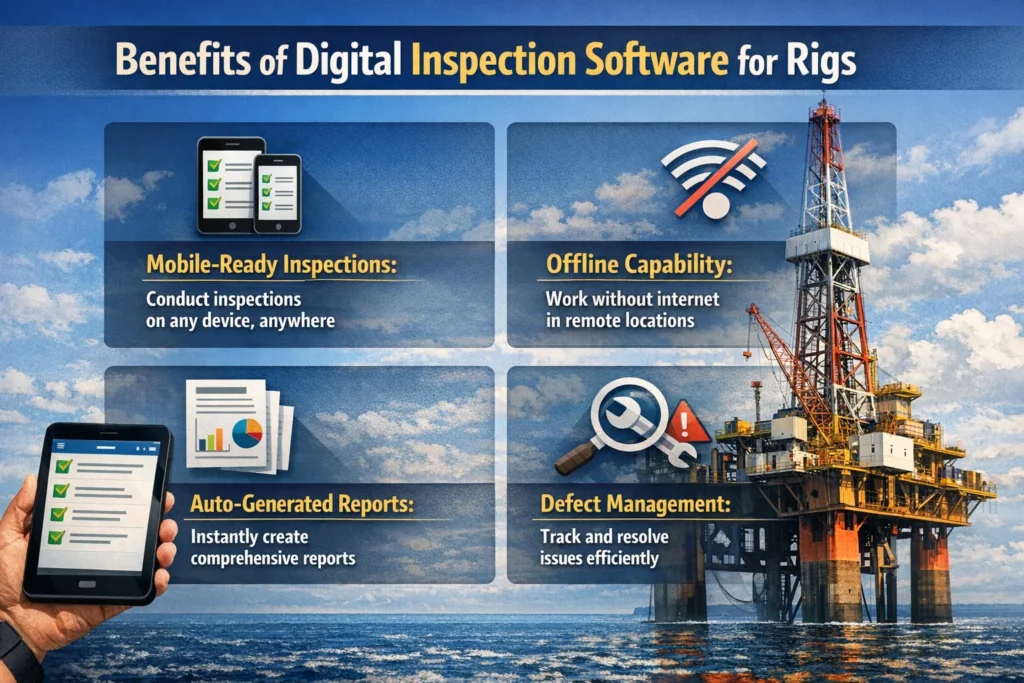
Traditional paper-based inspections are prone to errors, delays, and lost data. Digital inspection software such as InspectionsTrack provides significant advantages:
Read more : checklist automation for rig deployment
Following industry best practices ensures inspections are thorough, effective, and compliant:
A well-structured inspections checklist for rigs is indispensable for oil and gas operations. By integrating digital inspection platforms like InspectionsTrack, companies can streamline their workflow, improve safety, and maintain regulatory compliance. Whether you manage a single rig or multiple offshore operations, investing in a comprehensive inspection system ensures operational excellence and peace of mind.
Read more : quarantine items in oil and gas inspections
Frequency depends on equipment type, regulatory requirements, and operational risk. Critical systems may require daily or shift-based checks, while structural components may be inspected monthly or quarterly.
Digital software complements manual inspections by providing real-time reporting, audit trails, and automated alerts, but physical checks remain essential for safety.
Typical issues include worn lifting gear, hydraulic leaks, corroded structural components, electrical faults, and malfunctioning safety systems.
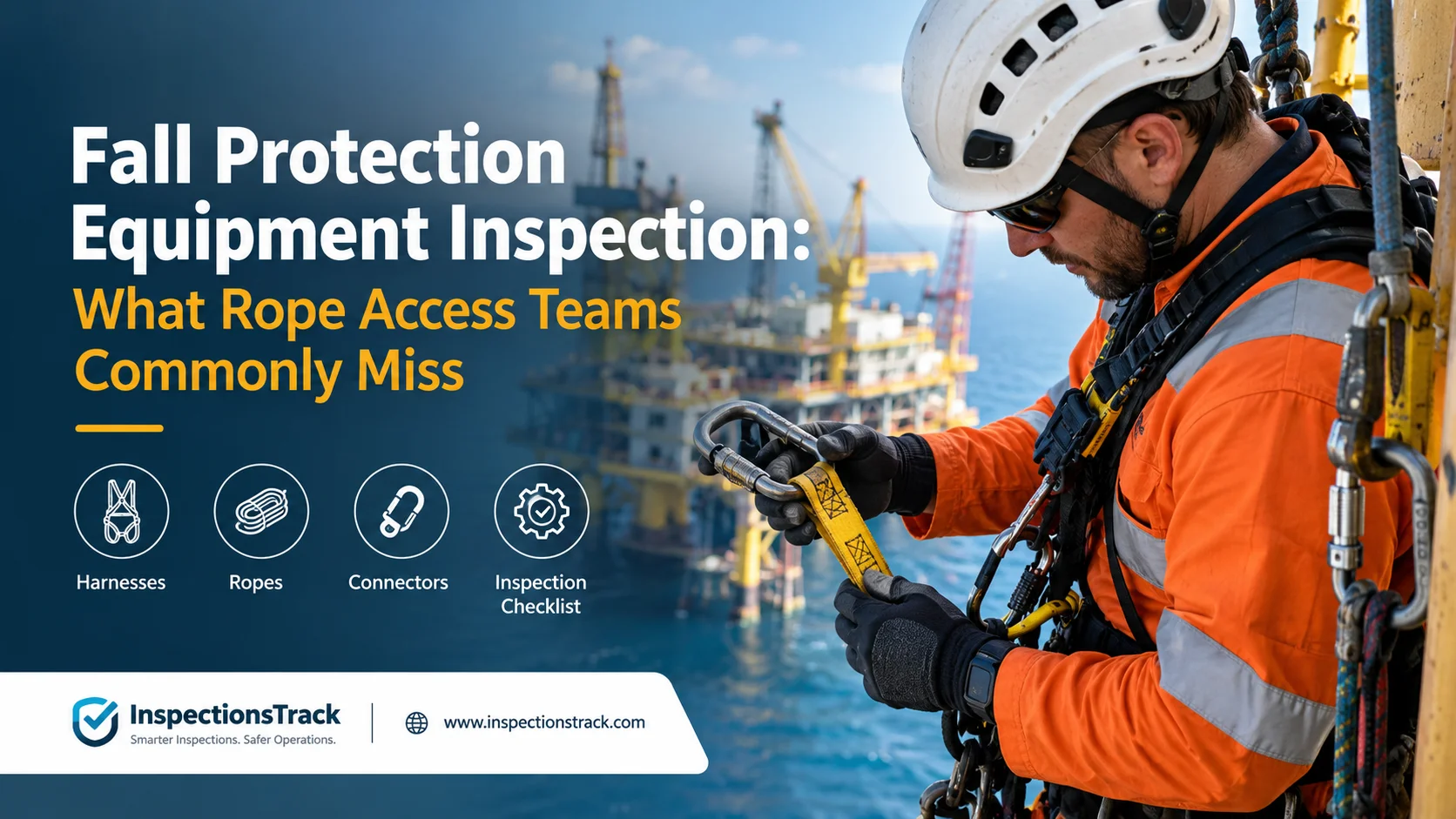
Working at height is one of the most demanding activities in industrial environments. For rope access teams, however, safety depends on more than having the right equipment. Fall protection equipment must also be inspected correctly,…
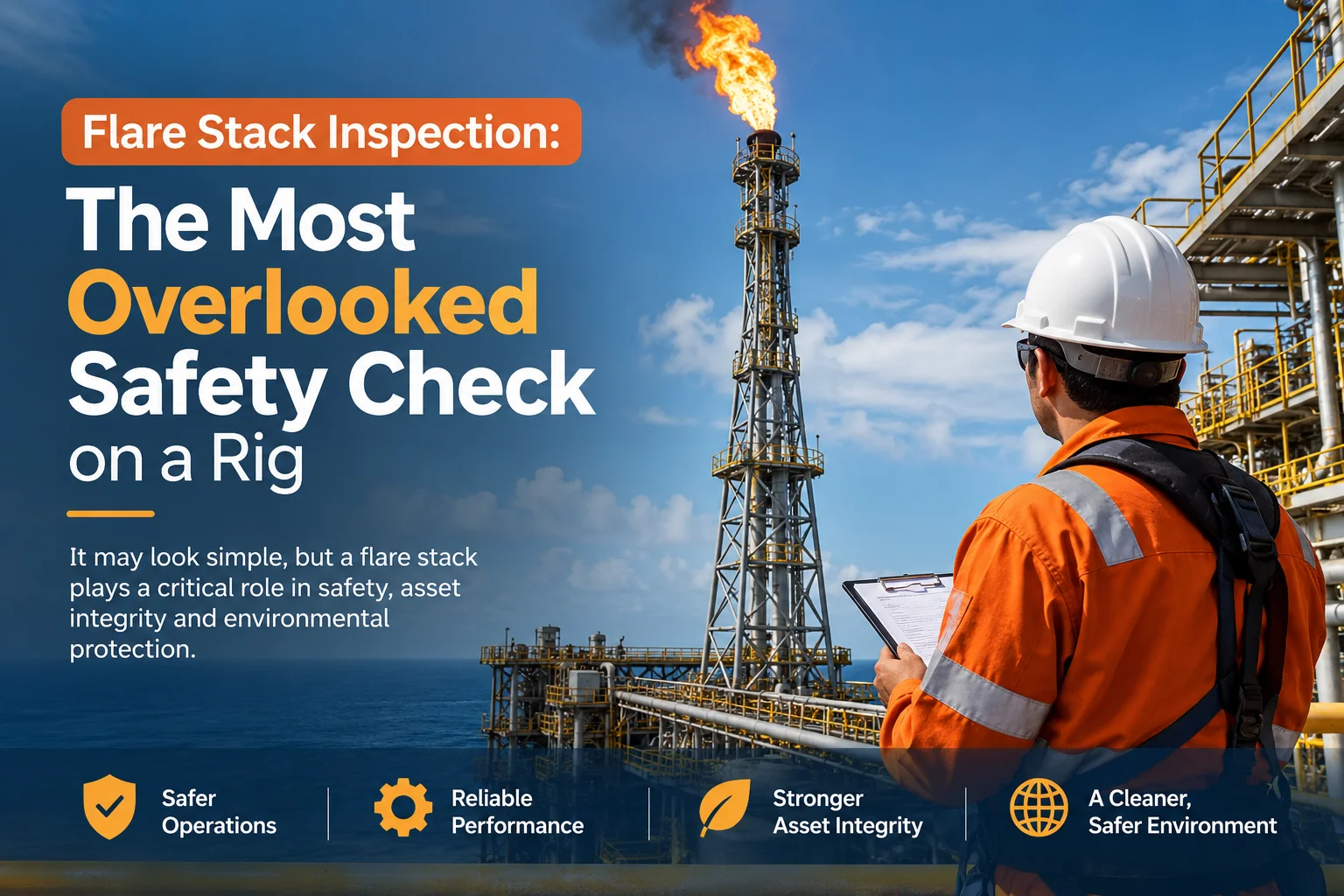
A flare stack may look like a simple vertical structure standing above a rig or production facility. In reality, it is one of the most important safety systems for handling flammable gases and relieving potentially…


