

Dropped objects pose a serious risk in the oil and gas industry, leading to injuries, equipment damage, and operational delays. Conducting a dropped object survey is essential for maintaining workplace safety, but common mistakes can compromise its effectiveness. This guide highlights eight key mistakes to avoid and how Inspection Track software can enhance accuracy and efficiency in dropped object surveys.
Infrequent or inconsistent dropped object inspections increase the risk of hazards going unnoticed, leading to preventable accidents.
Environmental conditions such as strong winds, vibrations, and corrosion can weaken structures, increasing the risk of dropped objects.
Using manual methods or outdated tools can lead to inaccurate results and overlooked hazards.

Certain high-risk zones (e.g., rig floors, crane operations) are more prone to dropped objects, yet they are often neglected in surveys.
Inadequate documentation leads to poor tracking of recurring hazards and non-compliance with safety regulations.
Identifying hazards is only the first step—failure to act on them negates the survey’s effectiveness.
Untrained personnel may misinterpret inspection results or overlook critical hazards.
Without integration with HSE and asset management systems, safety measures remain isolated and less effective.
Inspection Track is a powerful tool for the oil and gas industry, designed to streamline inspection processes, improve reporting accuracy, and ensure compliance. Key benefits include:

Avoiding these eight common mistakes in dropped object surveys can significantly enhance safety and compliance in the oil and gas industry. Implementing Inspection Track software ensures a systematic, data-driven approach to prevent workplace hazards and improve operational efficiency.
Looking to improve your dropped object survey process? Contact us today to learn how Inspection Track can help!
Readmore : 10 common mistakes to avoid during lifting gear inspections
Dropped object surveys help prevent hazards, ensuring safety in the oil & gas industry by identifying and mitigating potential risks.
Inspection Track automates scheduling, real-time data capture, and risk-based prioritization for accurate and efficient inspections.
Common mistakes include missing inspections, poor documentation, lack of training, and failure to act on identified risks
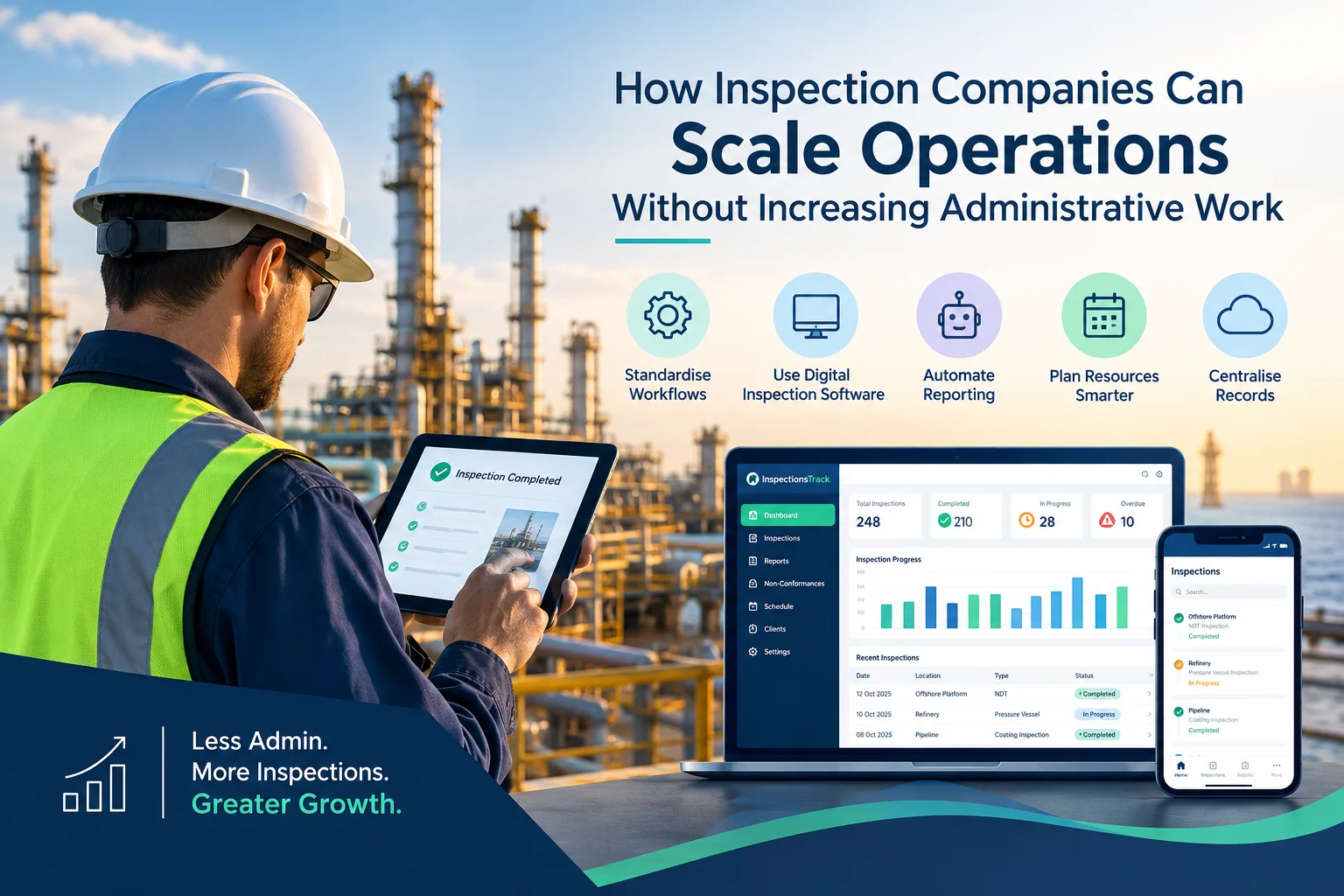
Inspection companies in the oil and gas industry face a common challenge: how to handle more inspections, manage larger projects, and meet client deadlines without increasing administrative workload. As businesses grow, inspection teams must manage…
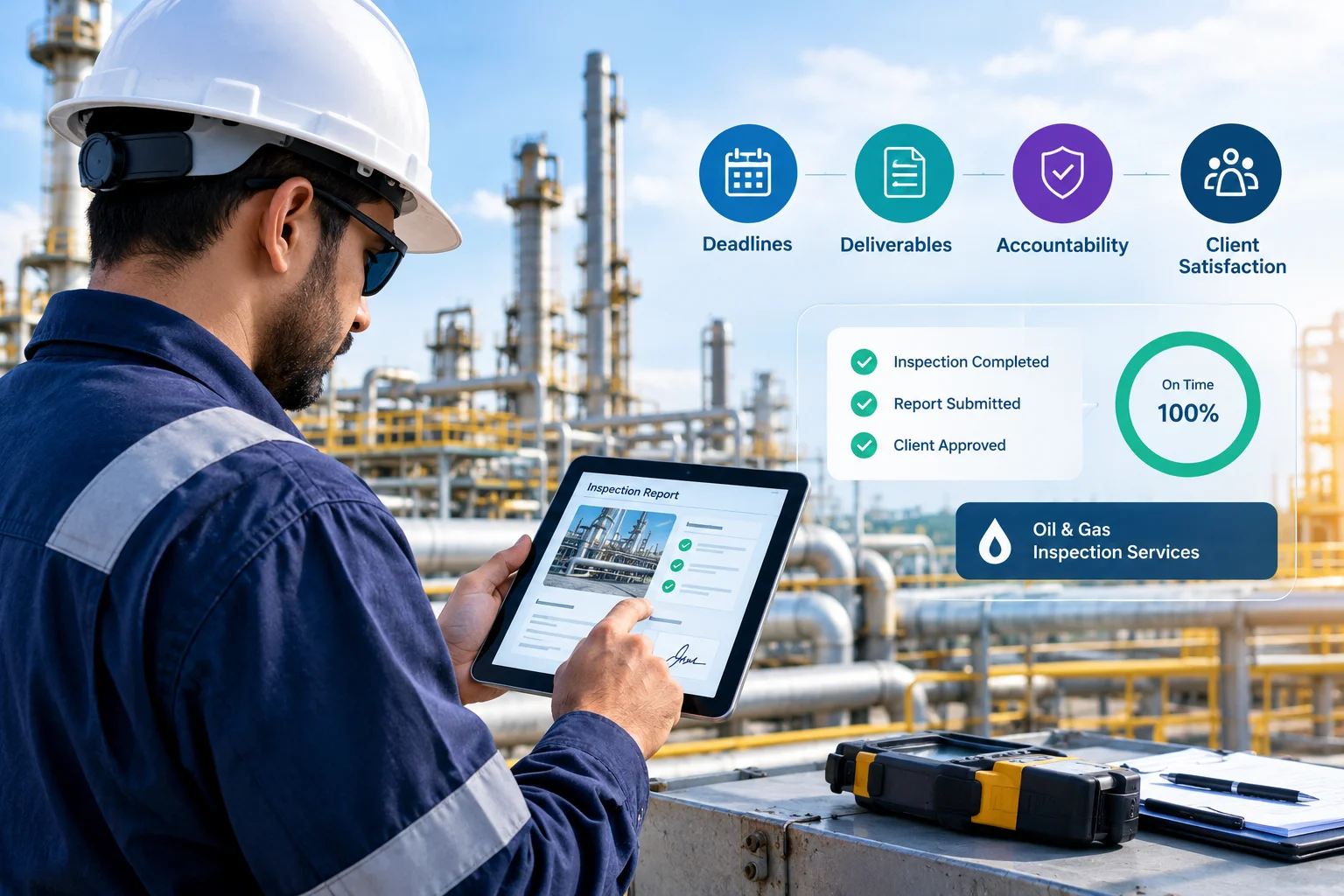
Meeting client Service Level Agreements (SLAs) is essential for inspection companies working in demanding industries such as oil and gas, energy, and industrial maintenance. Clients expect inspections to be completed on time, reports to be…


