
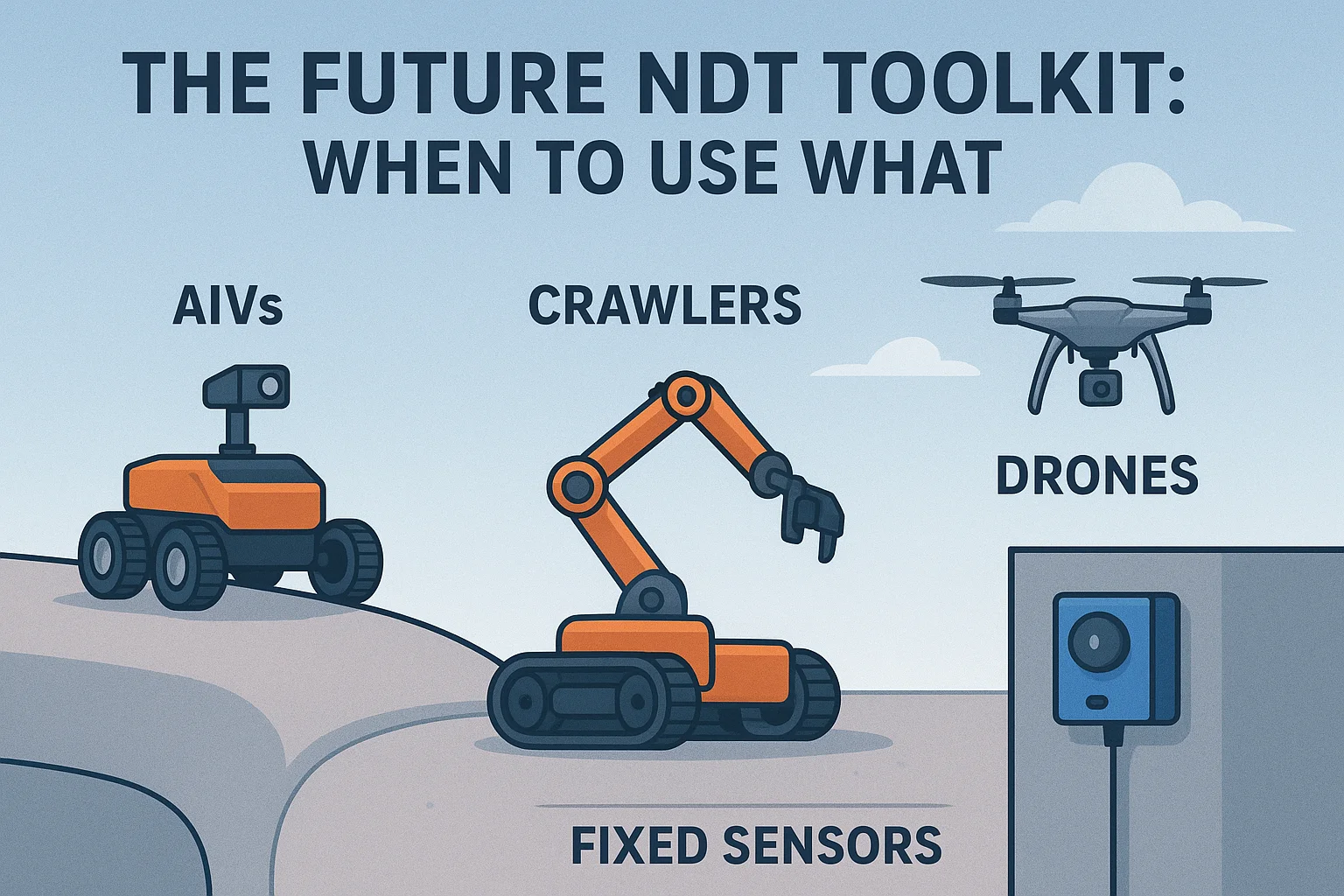
Non-Destructive Testing (NDT) has entered a new era one defined by automation, robotics, and real-time data intelligence. Traditional manual surveys still matter, yet modern inspection teams now rely on a diverse toolkit of AIVs, crawlers, drones, and fixed sensors.
Moreover, oil and gas operators are shifting toward predictive maintenance. Therefore, understanding which tool to deploy and when is now a strategic decision, not just a technical one for Future NDT Toolkit.
This guide breaks down each technology, their ideal use cases, and how software like Inspections Track ties everything together for smarter, data-driven integrity management.
Every inspection asset behaves differently. Because of this, choosing the right NDT technology impacts:
Although each tool offers value, the best results come from combining hardware automation with unified inspection software.
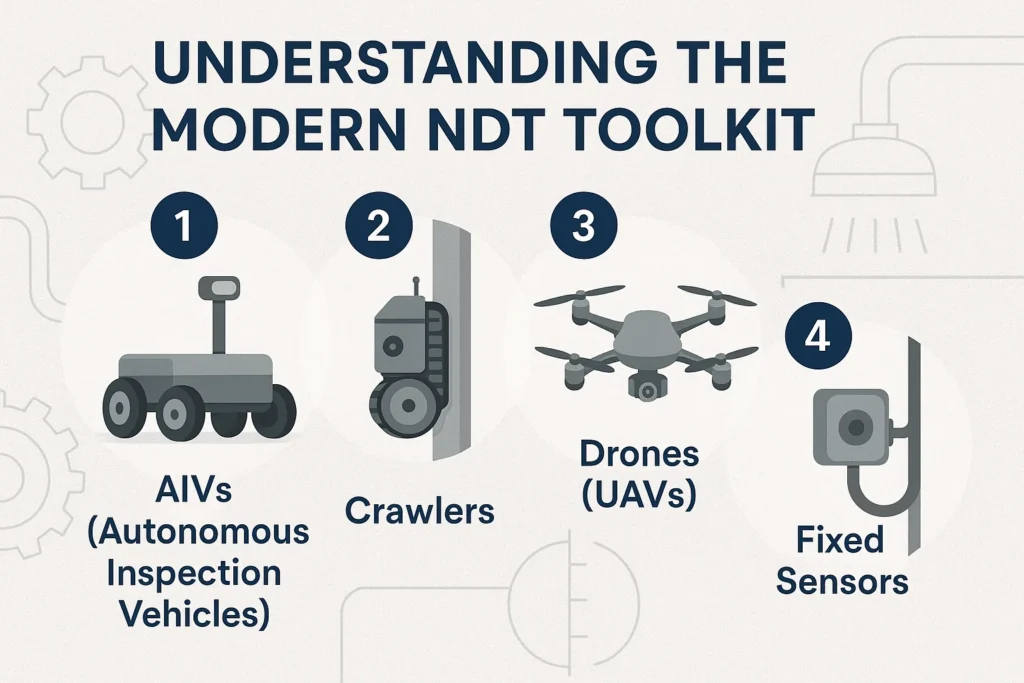
AIVs are self-navigating robots used in pipelines, confined spaces, and hazardous environments.
Crawlers remain the workhorse of surface-based robotic inspection.
Drones bring speed and accessibility, especially for high-risk areas.
Fixed sensors provide continuous, always-on integrity monitoring.
Read more: what is non destructive testing ndt
| NDT Tool | Best Use Case | Strengths | Limitations |
|---|---|---|---|
| AIVs | Long pipelines, confined spaces | Autonomous, high-quality data | Costly, specialized operators |
| Crawlers | Vessels, tanks, welds | Stable scanning, multi-sensor | Limited reach |
| Drones | Elevated structures | Fast, low-risk surveys | Weather & payload limits |
| Fixed Sensors | Continuous monitoring | Real-time alerts, predictive | Upfront installation |
Modern inspections don’t just require the right hardware they need a centralized intelligence layer.
Inspections Track, built for the oil and gas industry, ties your entire NDT ecosystem together.
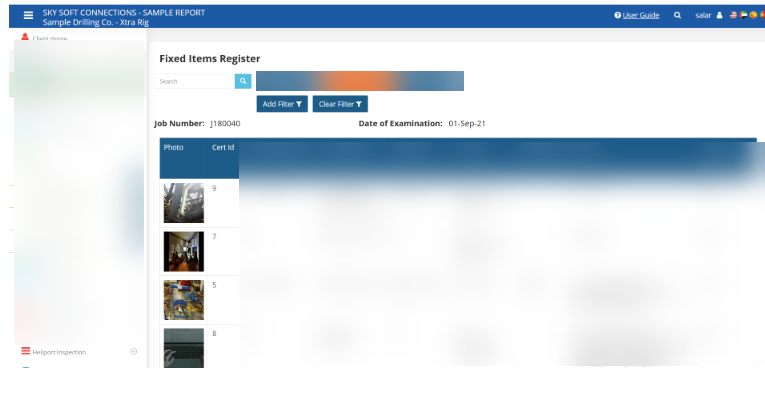
Moreover, Inspections Track transforms multi-device inspections into a single, unified integrity workflow something spreadsheets can never accomplish.
To stay competitive, operators must adopt a hybrid inspection model. Therefore, combining manual expertise with robotics and smart sensors leads to:
And finally, when all this data flows into one platform—Inspections Track—decision-makers gain true foresight, not just reports.
The future of NDT isn’t about choosing one technology. Instead, it’s about knowing when to use AIVs, crawlers, drones, or fixed sensors—and how to blend their strengths into a unified integrity strategy.
With tools evolving faster than ever, the real advantage lies in pairing modern hardware with intelligent inspection software like Inspections Track, ensuring safer, smarter, and predictable operations.
Read more : human machine teaming in inspections
AIVs and fixed sensors offer the best performance for pipelines due to autonomous navigation and continuous monitoring.
Yes when equipped with payloads like LiDAR, thermal imaging, or UT sensors, drones can perform advanced inspections.
Absolutely. Robotics augments the human expert; it does not replace them.
It consolidates drone, crawler, and AIV data into a single dashboard with digital checklists and automated reporting.
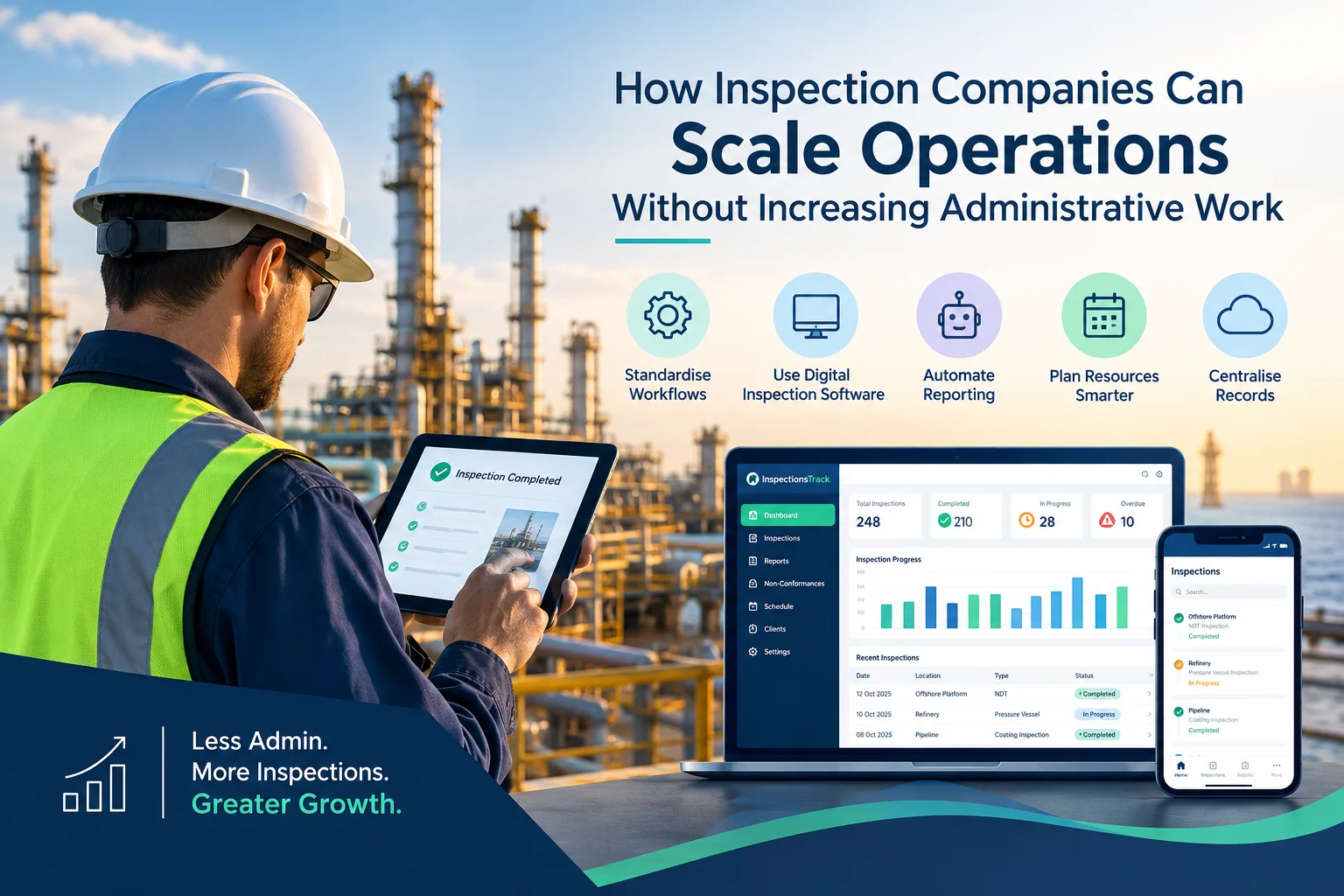
Inspection companies in the oil and gas industry face a common challenge: how to handle more inspections, manage larger projects, and meet client deadlines without increasing administrative workload. As businesses grow, inspection teams must manage…
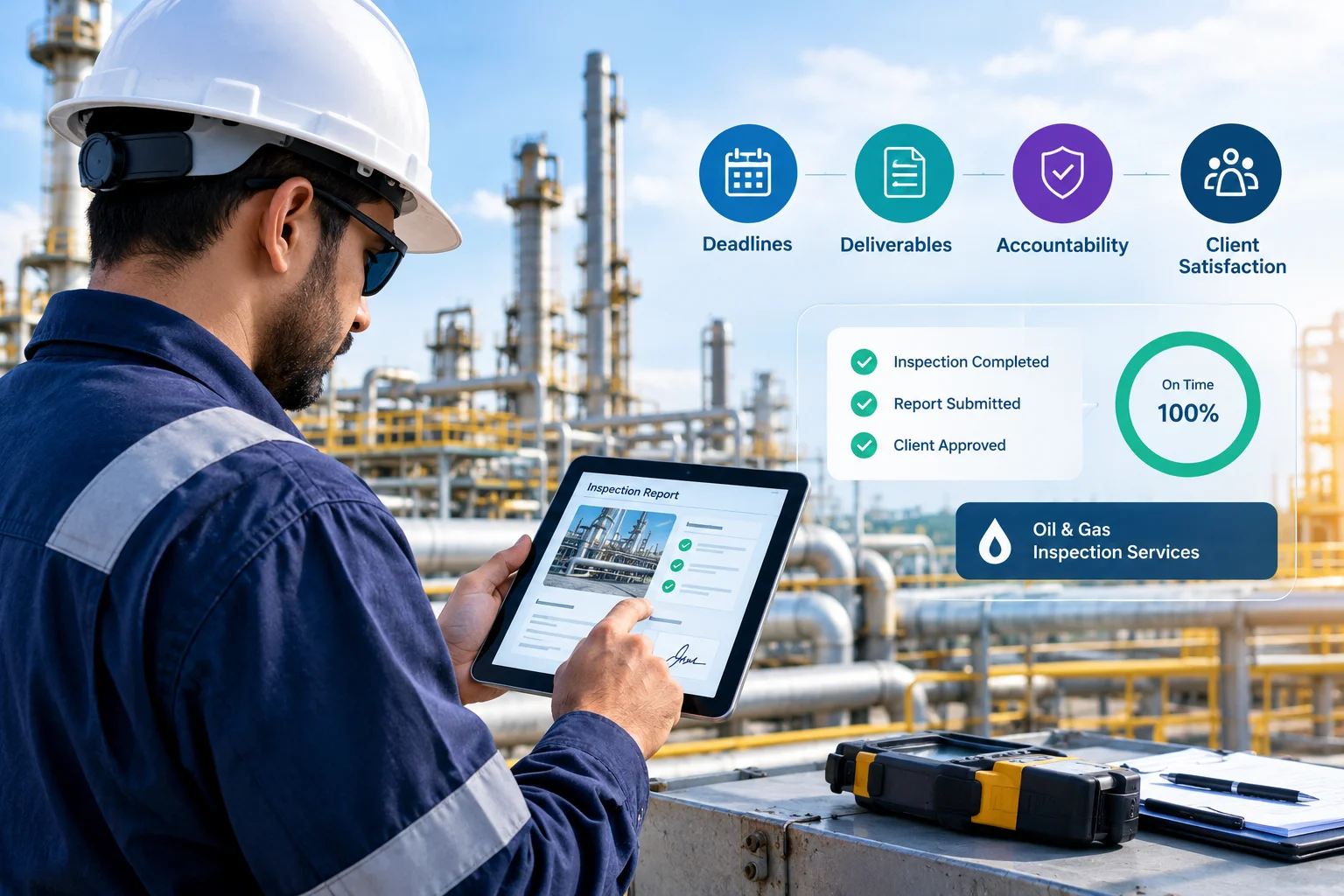
Meeting client Service Level Agreements (SLAs) is essential for inspection companies working in demanding industries such as oil and gas, energy, and industrial maintenance. Clients expect inspections to be completed on time, reports to be…


