
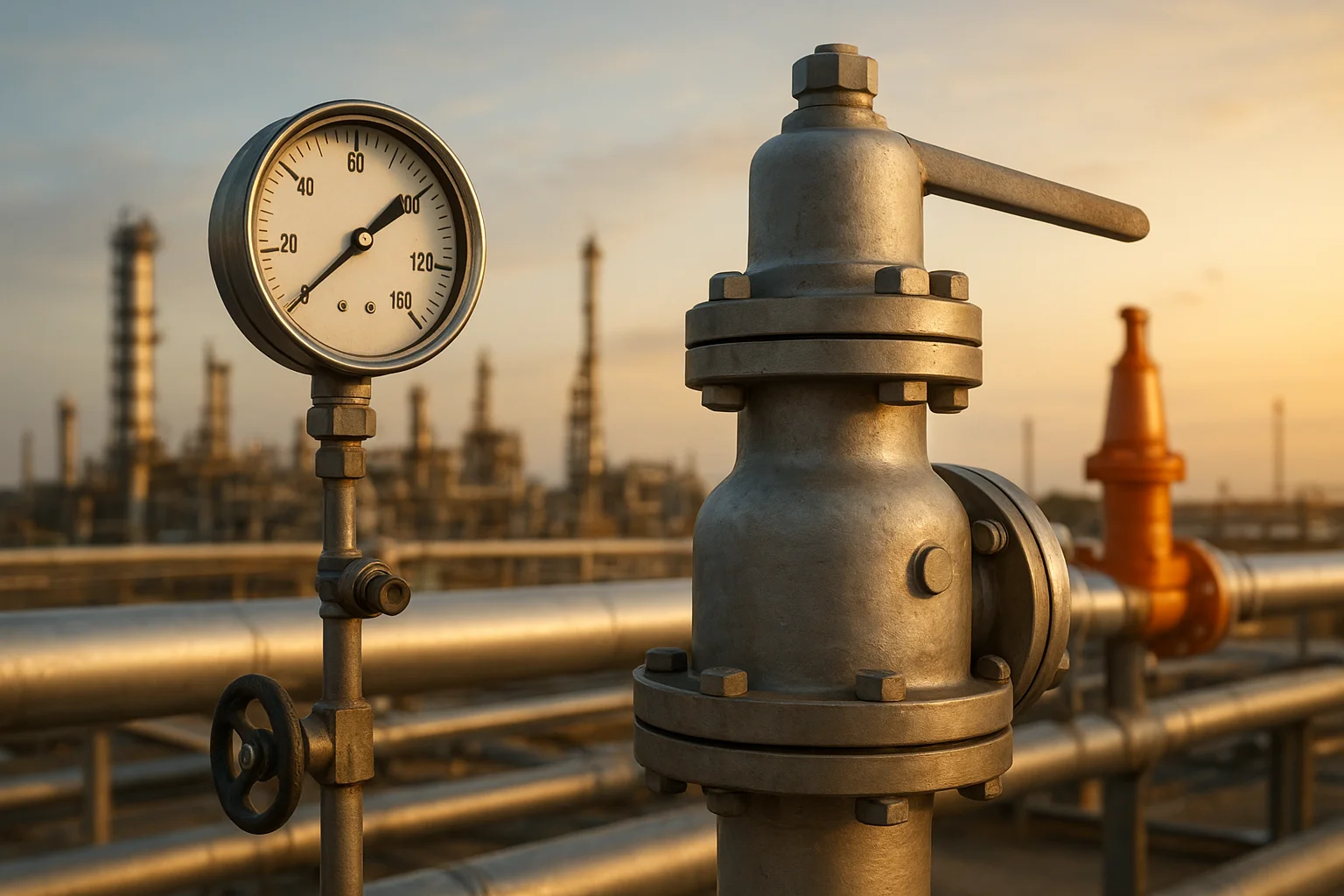
Safety in the oil and gas industry depends heavily on reliable equipment, and Pressure Relief Valves (PRVs) are one of the most important safeguards. When PRV inspections are carried out properly, facilities can prevent costly downtime, equipment damage, and dangerous overpressure incidents.
This step-by-step guide to PRV inspections walks you through the entire process, ensuring you maintain compliance while protecting mission-critical assets. Additionally, you will learn how Inspectionstrack, an advanced inspection software for the oil & gas sector, simplifies PRV inspection workflows from planning to reporting.
PRVs act as safety barriers that release excess pressure before it causes mechanical failures or explosions. However, without routine inspections, even a high-quality valve can fail. Therefore, companies must follow standardized PRV inspection procedures to ensure reliability, performance, and compliance.
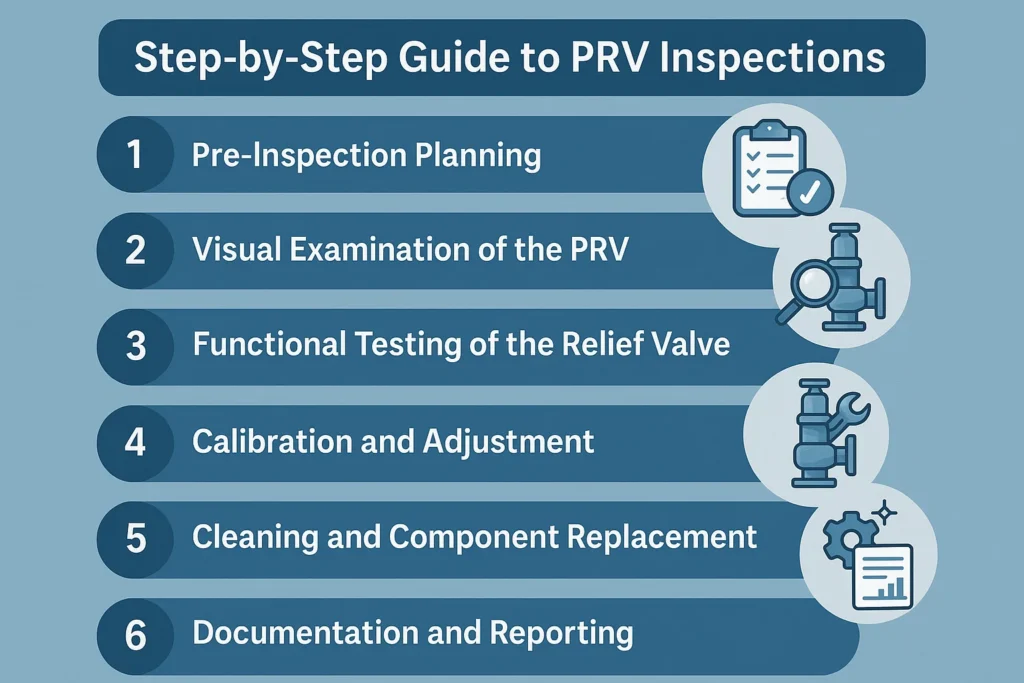
A thorough plan ensures consistency and minimizes risk. During this stage, inspectors should:
Using Inspectionstrack:
The software automatically schedules PRV inspections, assigns tasks, and tracks upcoming due dates—ensuring nothing is missed.
A detailed visual check helps detect early signs of deterioration. Inspectors must examine:
Tip: Even minor surface damage can escalate into a major mechanical failure over time.
Functional testing reveals how effectively the PRV responds under real conditions.
| Test Type | Purpose | When To Use |
|---|---|---|
| Bench Test | Measures set pressure accuracy | During overhaul or annual check |
| Pop Test | Ensures valve lifts at correct pressure | Critical systems & safety checks |
| Seat Tightness Test | Detects leakage | After cleaning or mechanical repairs |
After testing, PRVs often require calibration to match required set points. Adjustments must follow OEM guidelines and industry standards such as API 576.
Key Calibration Steps
How Inspectionstrack Helps:
All readings and calibration results can be logged in real-time using mobile devices. Therefore, inspectors ensure accuracy and avoid manual documentation errors.
Cleaning improves PRV performance, especially in harsh environments like offshore platforms or refineries with contaminants.
After parts are replaced, the valve must be re-tested before returning to service.
Accurate documentation supports compliance and reduces liability. Every inspection must include:
Inspectionstrack Advantage:
The platform generates automated PRV inspection reports with charts, calibration history, and photo evidence. Since data is stored securely in the cloud, teams can access historical records anytime.
To maintain consistent equipment reliability, follow these best practices:
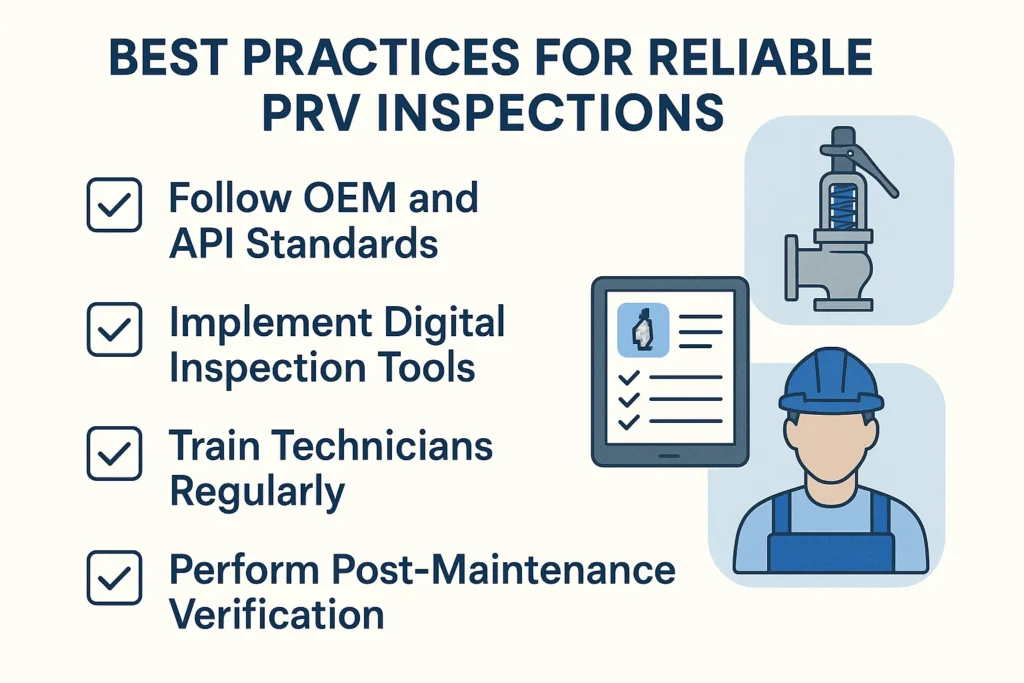
Always align your workflow with API 576, API 527, and manufacturer guidelines.
Using software like Inspectionstrack helps you organize inspections, reduce paperwork, and maintain data accuracy.
Continuous training ensures team members are aware of new protocols and safety practices.
Testing after maintenance ensures the PRV is functioning smoothly before going back into operation.
Inspectionstrack is built specifically for the oil & gas inspections industry, offering:
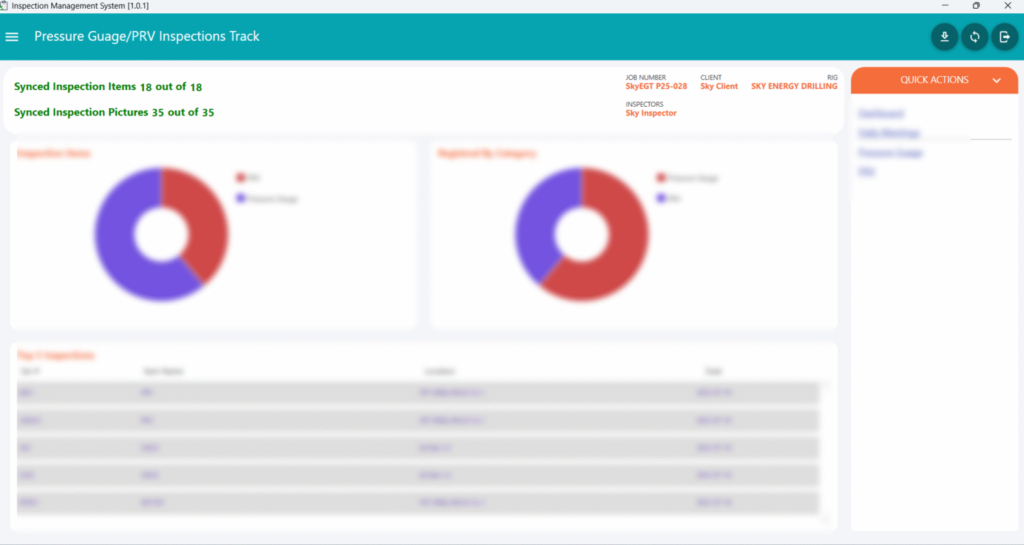
As a result, your team saves time, improves accuracy, and avoids costly mechanical failures.
Read more : digital prv and gauge calibration software
A structured PRV inspection process is essential for preventing equipment failure and ensuring safe operations. By following this step-by-step guide—and leveraging modern tools like Inspectionstrack—you can maintain consistent performance across all assets, reduce downtime, and strengthen safety compliance.
Read more : advanced tank inspections unveiling hidden risks inside
PRVs should typically be inspected annually, although high-risk or high-pressure systems may require more frequent checks based on operating conditions and regulatory standards.
Common tests include pop testing, bench testing, and seat tightness testing to verify set pressure accuracy, valve lift, and leakage control.
Accurate documentation ensures compliance, simplifies audits, and provides a reliable maintenance history that helps prevent recurring failures.
Inspectionstrack digitizes PRV workflows, automates scheduling, logs test results in real time, and generates detailed reports—making inspections faster, safer, and more accurate.
Industrial storage tanks are critical assets in industries such as oil & gas, petrochemicals, and energy production. However, even a small leak can lead to product loss, environmental damage, safety hazards, and costly downtime. Therefore,…
High-risk industrial environments such as oil refineries, offshore platforms, storage tanks, and petrochemical plants demand frequent inspections to maintain safety and compliance. However, traditional inspection methods often involve scaffolding, heavy equipment, and long shutdowns, which…


