
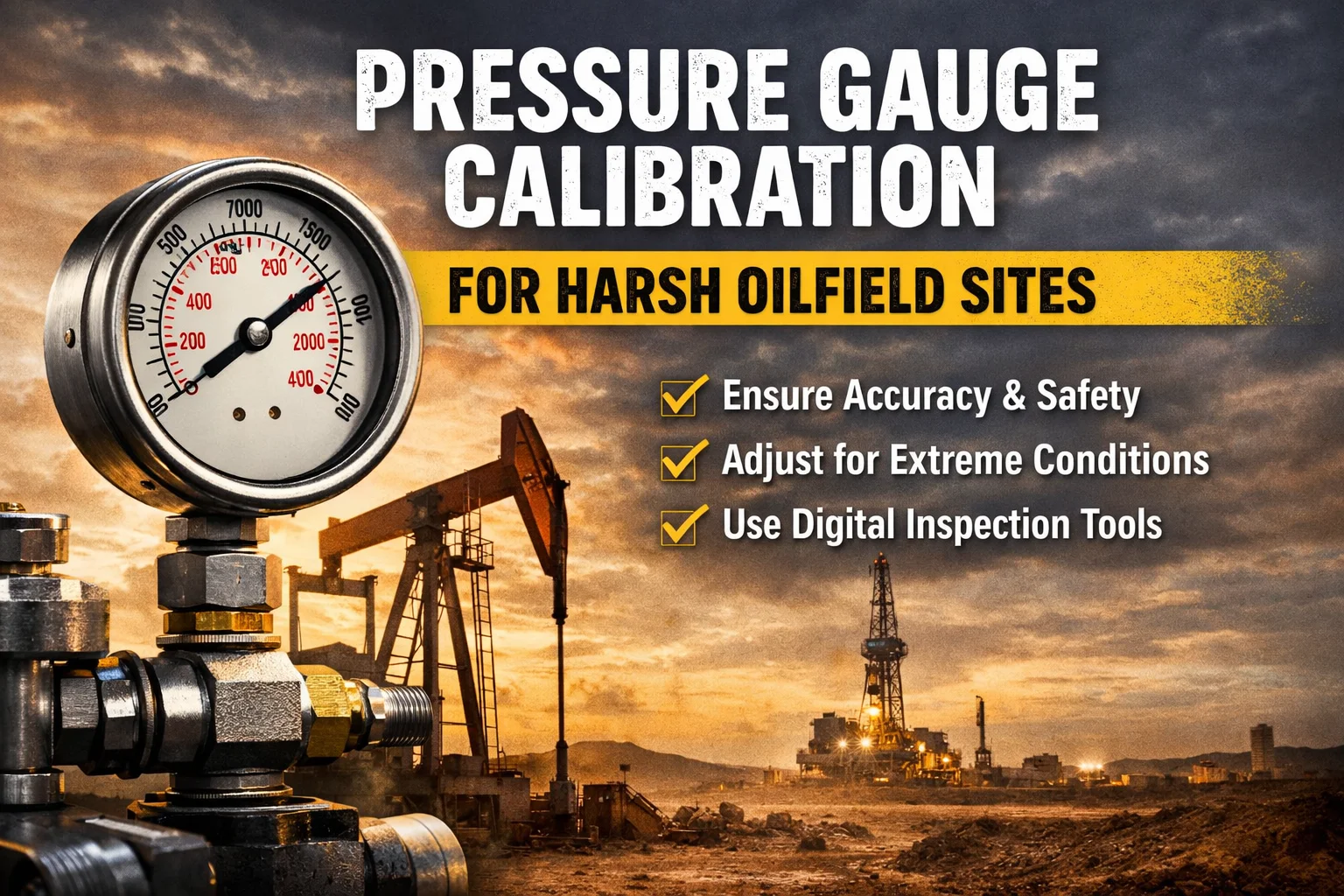
In oil and gas operations, accuracy is everything. Pressure gauges are critical for monitoring systems, ensuring safety, and maintaining operational efficiency. However, harsh oilfield environments characterized by extreme temperatures, vibration, corrosion, and high pressure can significantly impact gauge performance.
Therefore, understanding pressure gauge calibration adjustments is essential to maintain reliability and compliance. In this guide, we’ll explore best practices, common challenges, and how digital tools like Inspectionstrack software can streamline calibration processes.
Pressure gauges are constantly exposed to demanding conditions. As a result, they tend to drift over time, leading to inaccurate readings.
Moreover, inaccurate readings can lead to overpressure incidents, which may cause severe damage or even catastrophic failures.
Oilfield conditions are far from ideal. Consequently, calibration becomes more complex and frequent.
Because of these factors, standard calibration procedures often require adjustments.
To ensure optimal performance, technicians must adapt calibration methods based on environmental conditions.
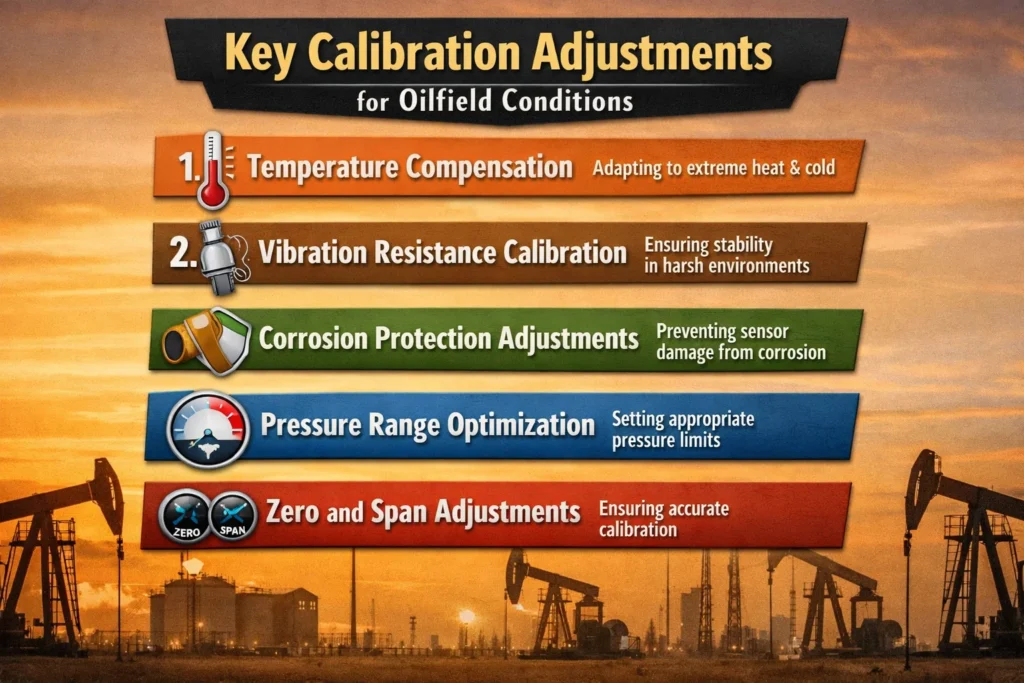
Temperature changes can cause expansion or contraction in gauge components.
Adjustment Tips:
Constant vibration can loosen internal components and shift readings.
Best Practices:
Corrosive environments can degrade gauge materials, affecting accuracy.
Solutions:
Operating near the limits of a gauge reduces its lifespan and accuracy.
Recommendations:
Calibration typically involves adjusting two key parameters:
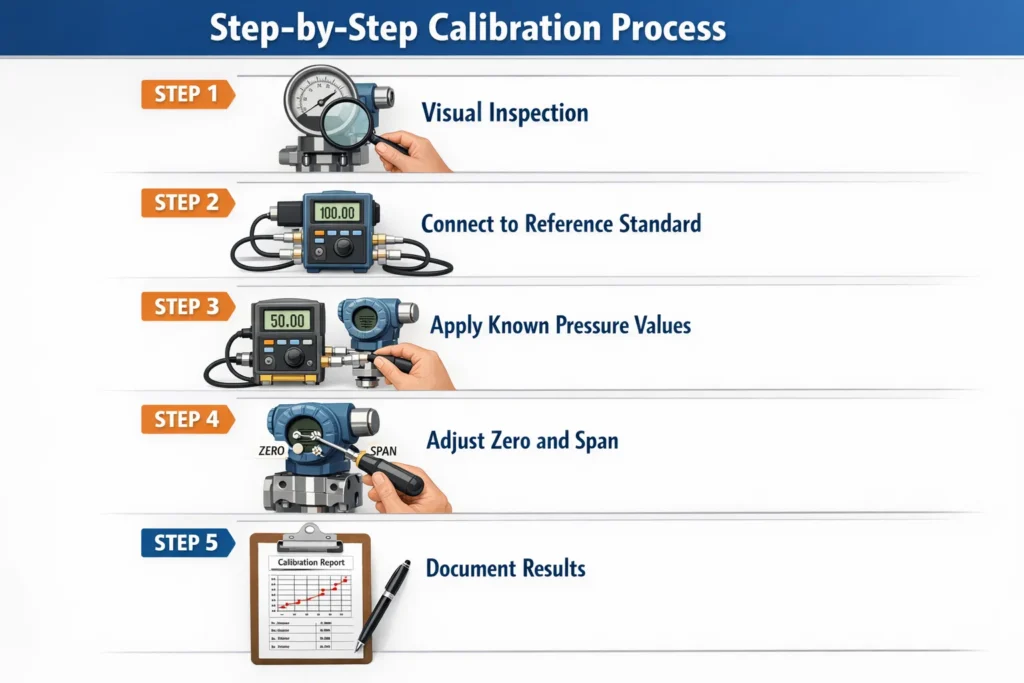
These adjustments must be performed using calibrated reference instruments.
Calibration frequency depends on usage and environmental severity.
| Environment Condition | Recommended Calibration Frequency |
|---|---|
| Mild industrial | Every 6–12 months |
| Moderate oilfield | Every 3–6 months |
| Harsh oilfield (extreme) | Monthly or quarterly |
However, if gauges show signs of drift, immediate recalibration is necessary.
To ensure consistency, follow a structured approach:
Even experienced technicians can make errors. Therefore, it’s important to stay vigilant.
Manual tracking of calibration data can be inefficient and error-prone. This is where digital solutions come in.
Inspectionstrack, designed for the oil and gas inspection industry, simplifies calibration workflows by:
As a result, companies can reduce downtime, improve accuracy, and ensure regulatory compliance.
To maximize the lifespan and reliability of pressure gauges, follow these best practices:
Pressure gauge calibration in harsh oilfield environments is not just a routine task—it’s a critical safety and performance requirement. Although challenging, proper calibration adjustments can significantly improve accuracy and reliability.
Moreover, by combining best practices with digital tools like Inspectionstrack software, organizations can streamline their calibration processes, reduce risks, and enhance operational efficiency.
Ultimately, staying proactive with calibration ensures not only compliance but also long-term success in demanding oilfield operations.
Read more : advanced ndt strategies for cui detection
In harsh oilfield environments, calibration is typically required monthly or quarterly, depending on usage and exposure conditions.
Factors such as temperature changes, vibration, corrosion, and pressure overload commonly lead to inaccurate readings.
Yes, tools like Inspectionstrack automate scheduling, tracking, and reporting, making calibration processes more efficient and compliant.
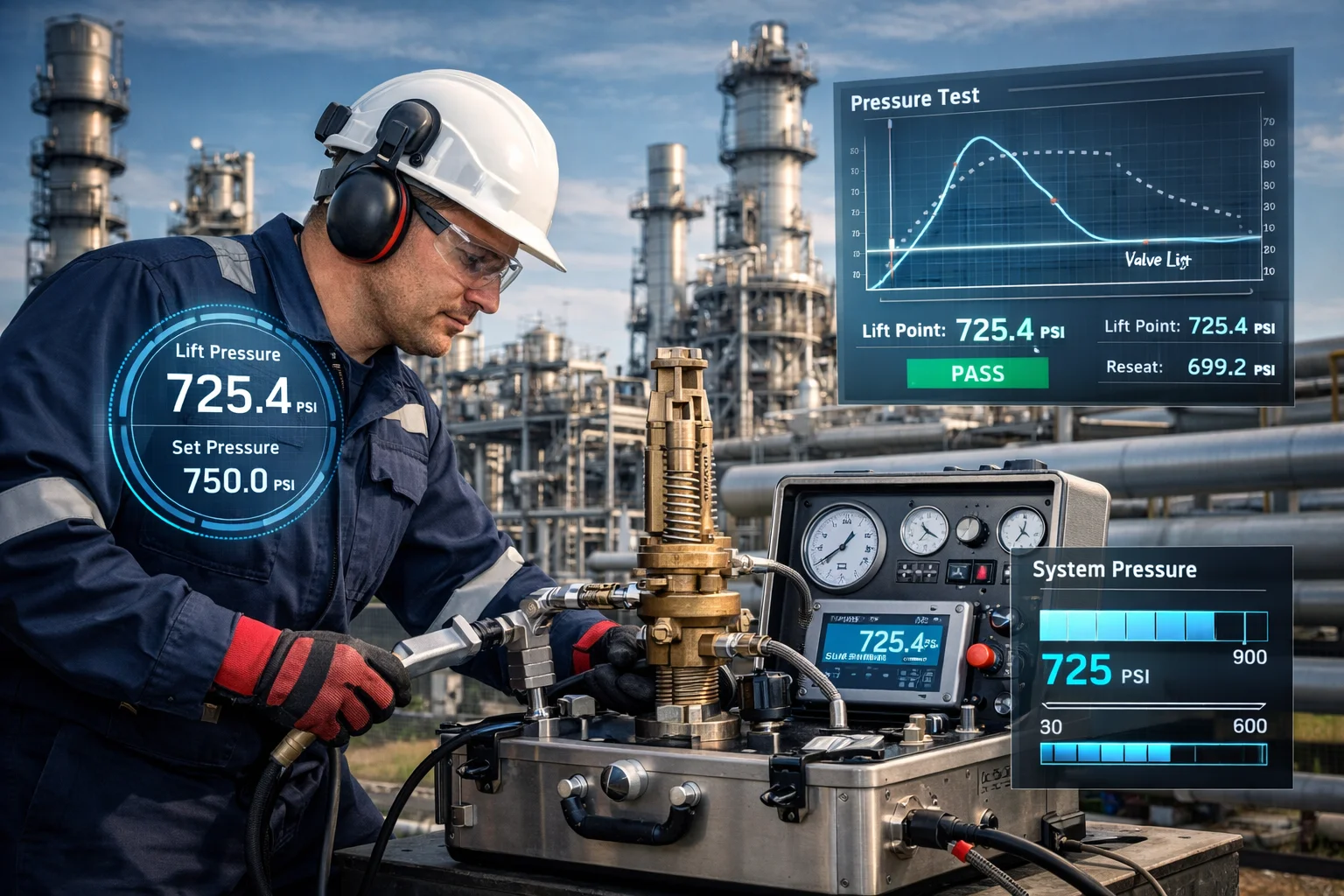
Pressure Relief Valves (PRVs) play a critical role in protecting equipment, pipelines, and personnel in the oil and gas industry. However, PRV inspections and calibration can become expensive, especially when organizations rely entirely on external…
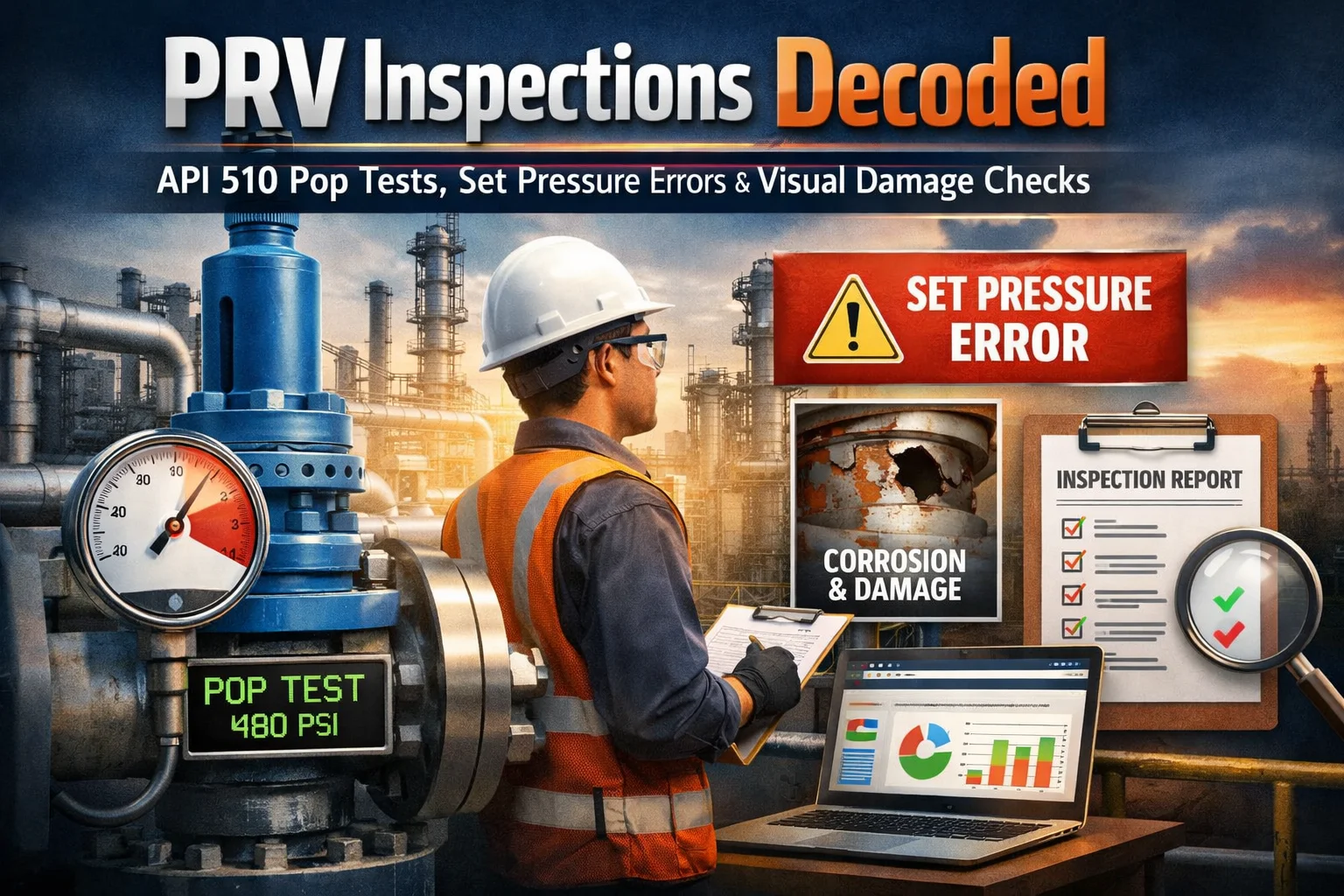
Pressure Relief Valves (PRVs) play a critical role in protecting pressurized systems across the oil and gas industry. When pressure exceeds safe limits, these valves automatically release excess pressure to prevent equipment failure, explosions, or…


