
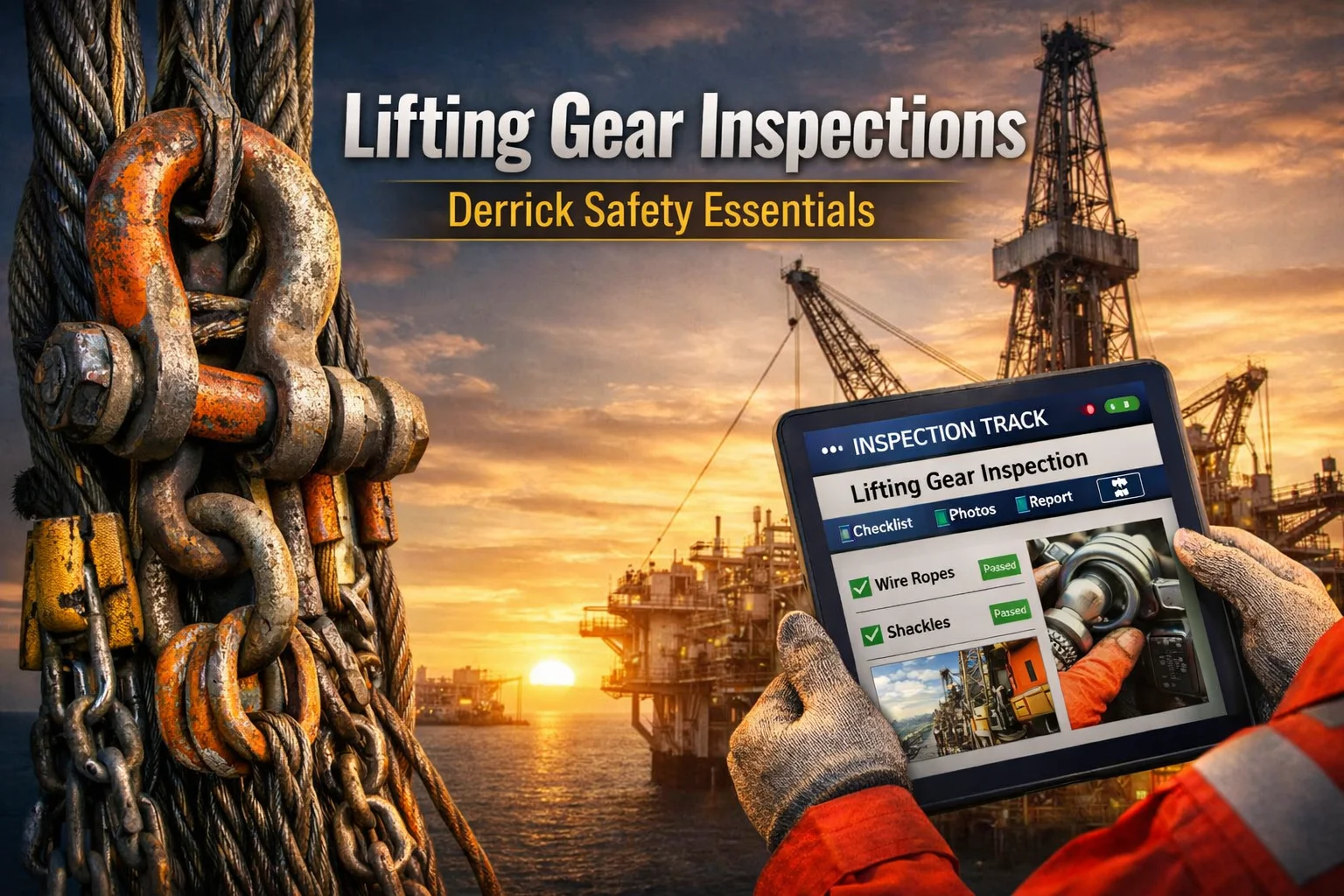
In the oil and gas industry, derrick operations rely heavily on lifting gear to move heavy loads safely and efficiently. From wire ropes to shackles and hoists, every component plays a critical role. However, if even a small defect goes unnoticed, it can lead to equipment failure, operational downtime, or serious safety incidents.
Therefore, lifting gear inspections act as the silent defenders of derrick operations. They help identify wear, deformation, corrosion, and structural weaknesses before they become dangerous.
Moreover, with the rise of digital inspection systems, companies can now manage inspections faster and more accurately. Modern tools like Inspectionstrack software are transforming how inspection teams in the oil and gas sector perform lifting gear assessments.
Derricks are essential structures used in drilling and heavy lifting operations. Because these operations involve extreme loads and harsh environments, lifting gear components experience continuous stress.
As a result, routine inspections are essential for maintaining safety and efficiency.
In addition, inspections allow maintenance teams to plan repairs proactively instead of reacting to failures.
Derrick operations depend on multiple lifting components working together. Each piece must be inspected carefully.
| Lifting Gear Component | Purpose in Derrick Operations | Common Inspection Focus |
|---|---|---|
| Wire Ropes | Lift heavy loads | Broken strands, corrosion |
| Shackles | Connect lifting components | Pin wear, distortion |
| Hooks | Load attachment | Cracks, deformation |
| Slings | Load support | Fiber damage, cuts |
| Hoists | Mechanical lifting | Brake and gear function |
Because these components carry heavy loads, even minor defects can escalate quickly if inspections are ignored.
During lifting gear inspections, inspectors focus on several critical indicators of damage or deterioration.
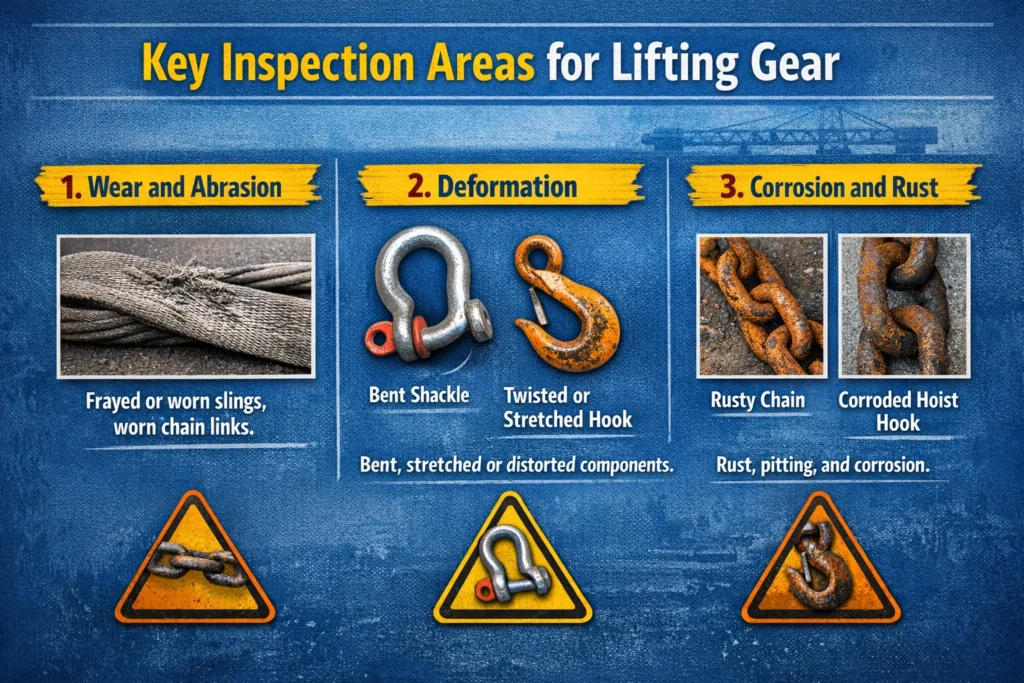
First, inspectors check for surface wear on ropes, slings, and hooks. Continuous friction can reduce the load capacity of lifting gear.
Next, deformation such as bending, twisting, or stretching may indicate overloading or structural fatigue.
Since derrick environments often involve saltwater, chemicals, and extreme weather, corrosion is a common problem.
Finally, inspectors examine equipment for micro cracks or fractures that could lead to sudden failures.
In many cases, warning signs appear before equipment failure. Therefore, inspection teams must watch for:
If any of these issues appear, the equipment should be removed from service immediately.
Historically, lifting gear inspections relied on paper-based reports and manual record keeping. However, this approach often caused delays and data loss.
Today, digital inspection platforms are improving efficiency significantly.
| Inspection Method | Challenges | Benefits |
|---|---|---|
| Paper-Based Inspections | Lost records, manual errors | Simple but inefficient |
| Digital Inspection Software | Requires setup | Accurate, fast reporting |
Consequently, many oil and gas companies are now shifting to digital inspection management systems.
Modern inspection teams require tools that help them capture, analyze, and report inspection data efficiently. This is where Inspectionstrack software for the oil and gas inspection industry becomes valuable.
The platform helps companies manage lifting gear inspections, derrick surveys, and equipment safety checks through a centralized digital system.
As a result, inspectors can identify risks faster and maintain accurate inspection records.
Furthermore, digital tools reduce administrative workload, allowing inspectors to focus more on equipment safety and operational reliability.
To maximize safety in derrick operations, companies should follow several proven inspection practices.
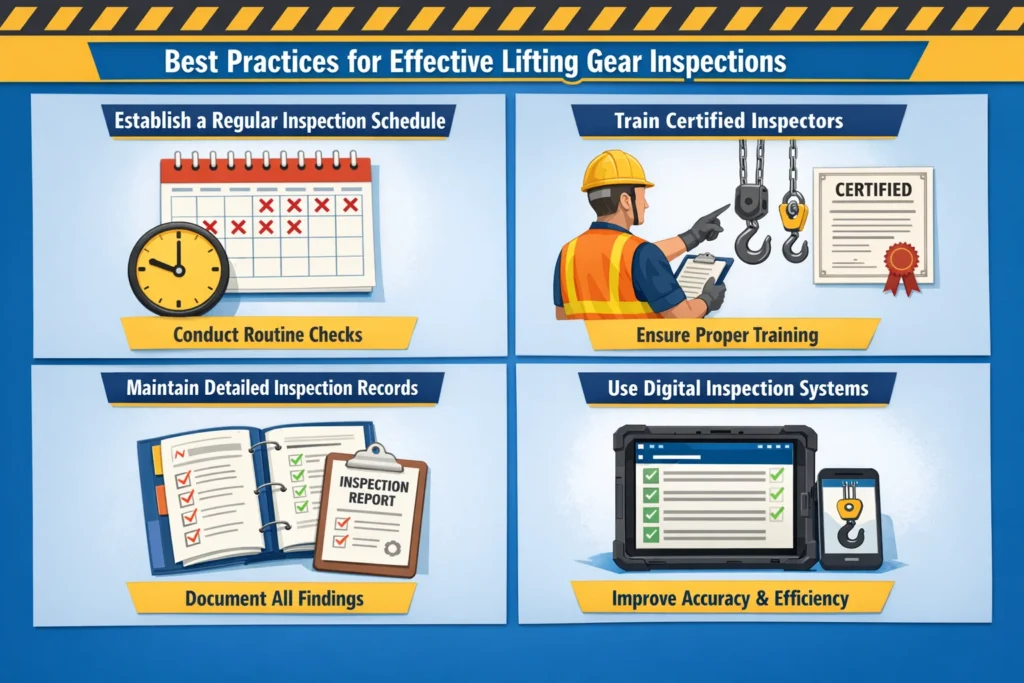
Routine inspections ensure that equipment is checked consistently before issues escalate.
Qualified personnel can detect hidden structural defects that inexperienced inspectors may overlook.
Accurate documentation helps track equipment performance over time.
Digital platforms like Inspectionstrack software streamline inspection workflows and improve data accuracy.
The oil and gas industry is increasingly adopting digital inspection technologies to improve operational safety.
In the coming years, lifting gear inspections will likely include:
Because of these innovations, companies will be able to detect equipment risks earlier and reduce operational disruptions.
Lifting gear may not always receive the spotlight in derrick operations, yet it serves as a critical safety backbone. Without proper inspections, small defects in lifting components can quickly escalate into major operational hazards.
Therefore, lifting gear inspections truly act as the silent defenders of derrick operations. They protect workers, safeguard equipment, and maintain operational efficiency.
Moreover, digital inspection tools such as Inspectionstrack software for the oil and gas inspection industry are helping organizations modernize inspection processes. By combining skilled inspectors with advanced inspection software, companies can ensure safer, smarter, and more reliable derrick operations.
Read more : hidden metrics in lifting gear inspections
They help detect wear, corrosion, and structural defects early, preventing equipment failure and ensuring operational safety.
Inspection frequency depends on operational conditions, but routine pre-use and periodic inspections are recommended.
Inspection software like Inspectionstrack allows inspectors to capture data digitally, track equipment history, and generate automated inspection reports efficiently.
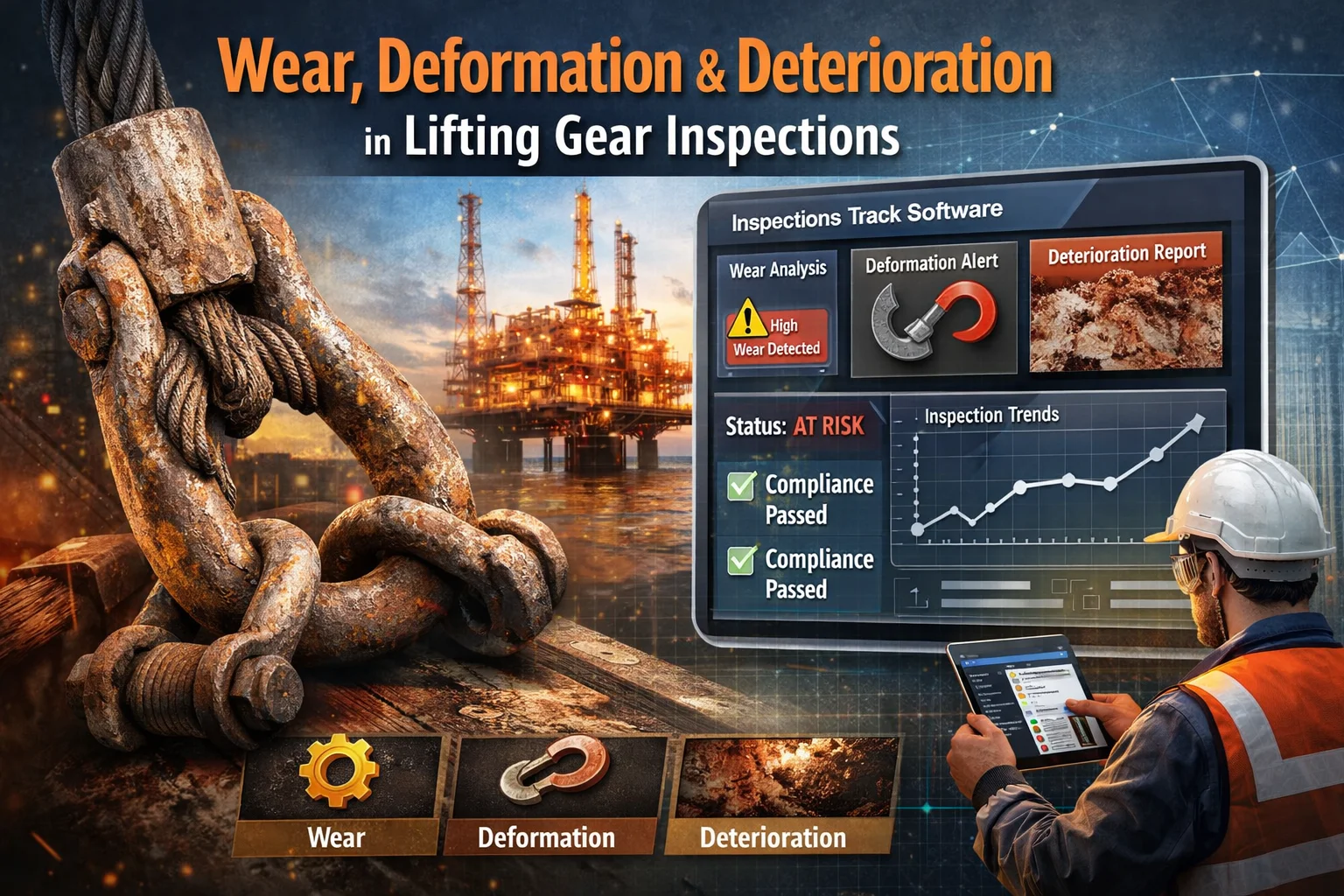
Introduction In the oil and gas industry, safety and operational efficiency rely heavily on properly maintained lifting gear. While regular inspections are mandated, many organizations overlook subtle indicators like wear, deformation, and deterioration. Understanding these…
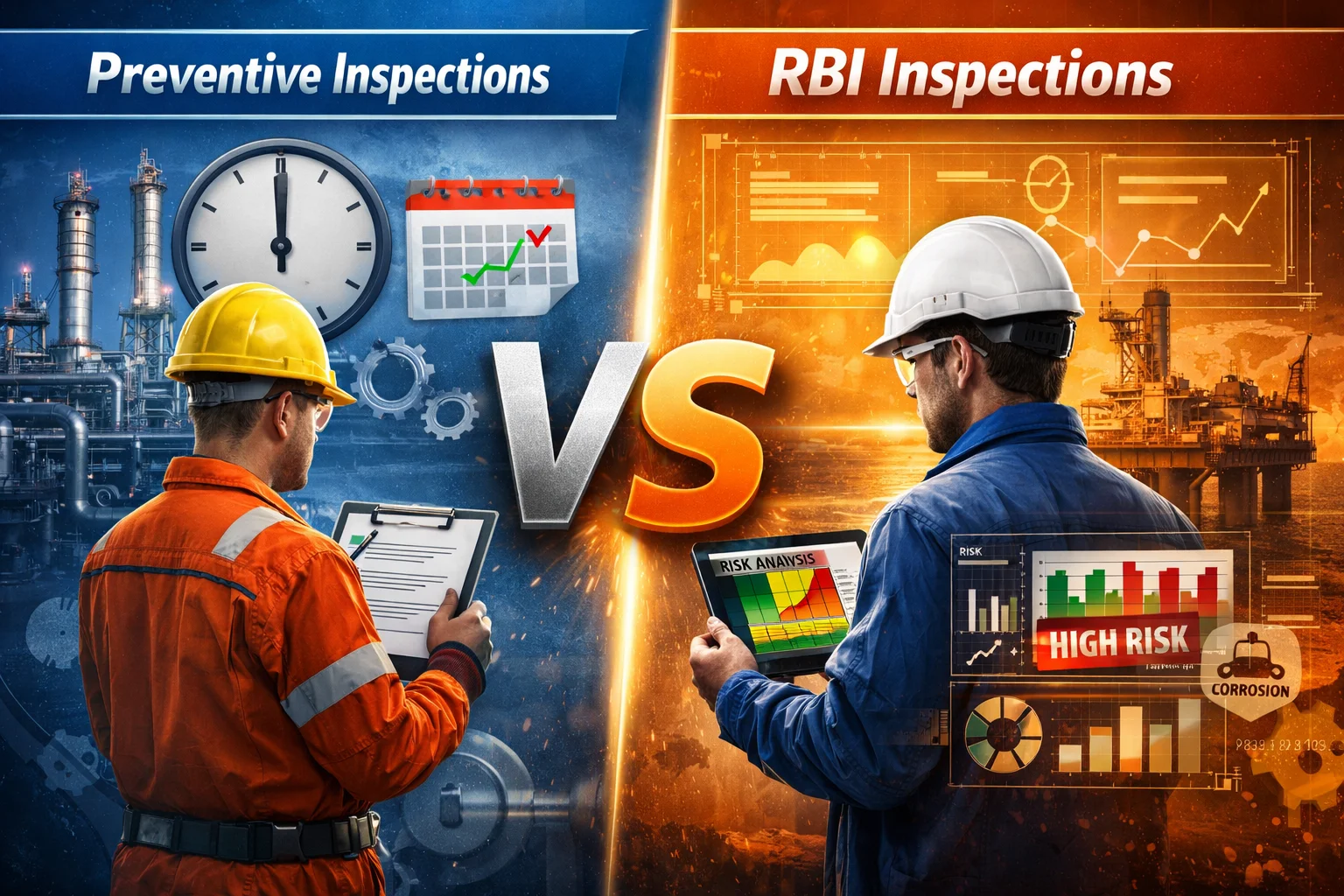
In the oil and gas industry, inspection strategies directly impact asset reliability, regulatory compliance, and operational safety. However, many organizations still struggle to understand the differences between preventive inspections and Risk-Based Inspection (RBI) methodologies. While…


