

In the oil and gas industry, even the smallest surface defect can lead to serious operational failures, safety incidents, or costly shutdowns. Therefore, dye penetrant inspection (DPI) plays a critical role in detecting surface-breaking flaws before they escalate into major risks.
This article explains what dye penetrant inspection is, how it works, where it is used, and why digital inspection platforms like Inspections Track Software are transforming DPI workflows across oil and gas assets.
Dye penetrant inspection, also known as liquid penetrant testing (LPT), is a non-destructive testing (NDT) method used to detect surface-level defects in non-porous materials.
These defects include:
Because DPI does not damage the component, it is widely used across upstream, midstream, and downstream oil and gas operations.
Oil and gas assets operate under extreme pressure, temperature, and corrosive environments. As a result, surface defects can quickly propagate into structural failures if left undetected.
Consequently, DPI remains one of the most reliable inspection techniques for early-stage defect detection.
DPI follows a structured and repeatable process. Each step must be executed correctly to ensure accurate results.
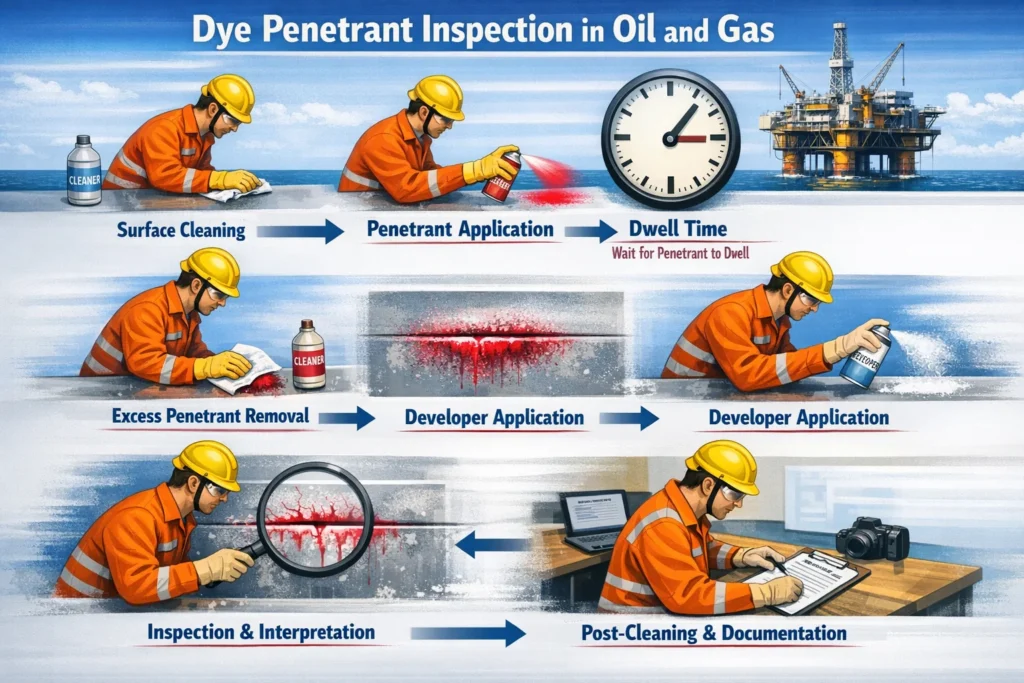
DPI is widely used across multiple oil and gas assets due to its versatility.
Because DPI works on complex shapes and welded joints, it is especially valuable during fabrication, maintenance, and shutdown inspections.
Like every NDT method, DPI has strengths and limitations.
Therefore, DPI is often combined with other NDT techniques for comprehensive inspection coverage.
| Inspection Method | Defect Type Detected | Material Limitation | Cost |
|---|---|---|---|
| Dye Penetrant Inspection | Surface defects only | Non-porous materials | Low |
| Magnetic Particle Testing | Surface & near-surface | Ferromagnetic only | Medium |
| Ultrasonic Testing | Internal defects | Most materials | High |
| Radiographic Testing | Internal defects | Most materials | High |
As shown above, DPI remains the preferred choice for fast and reliable surface defect detection.
Traditional DPI processes rely heavily on manual paperwork, spreadsheets, and disconnected reporting systems. However, modern oil and gas operations demand speed, accuracy, and traceability.
This is where Inspections Track Software transforms dye penetrant inspections.
Inspections Track Software is designed specifically for the oil and gas inspections industry, offering end-to-end digital inspection management.
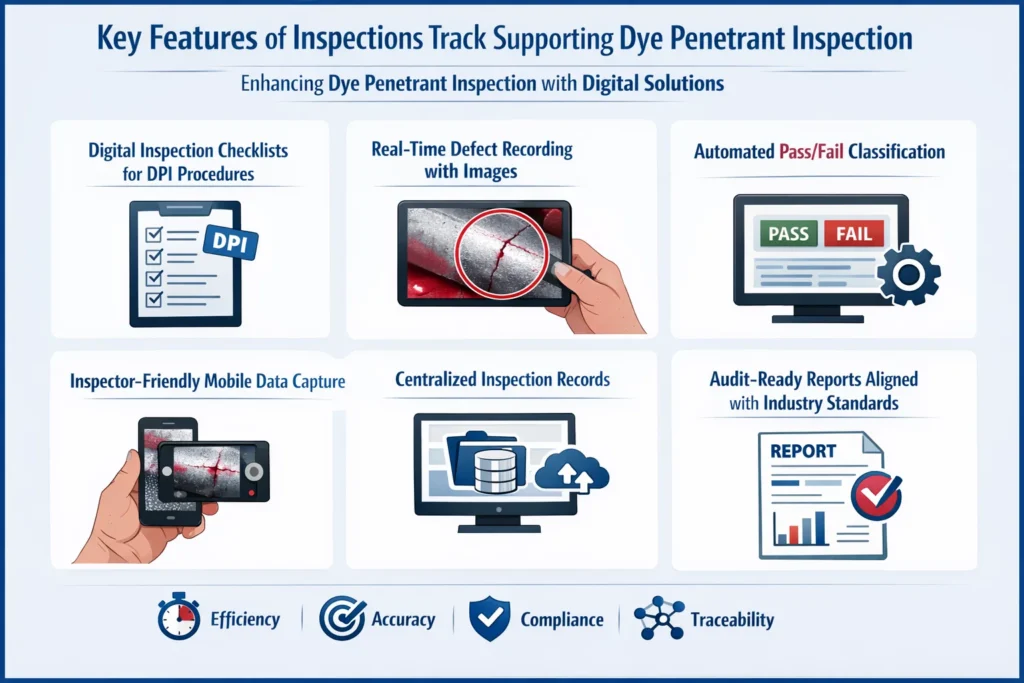
As a result, inspection teams reduce errors while improving productivity and compliance.
Therefore, organizations gain complete visibility and control over dye penetrant inspection programs.
Oil and gas operators increasingly prefer digital inspection platforms because they:
Consequently, adopting Inspections Track Software becomes a strategic move rather than a technical upgrade.
To achieve reliable results, inspection teams should follow these best practices:
By combining best practices with digital tools, inspection quality improves significantly.
As digital transformation accelerates, dye penetrant inspection is evolving from a manual process into a data-driven inspection discipline.
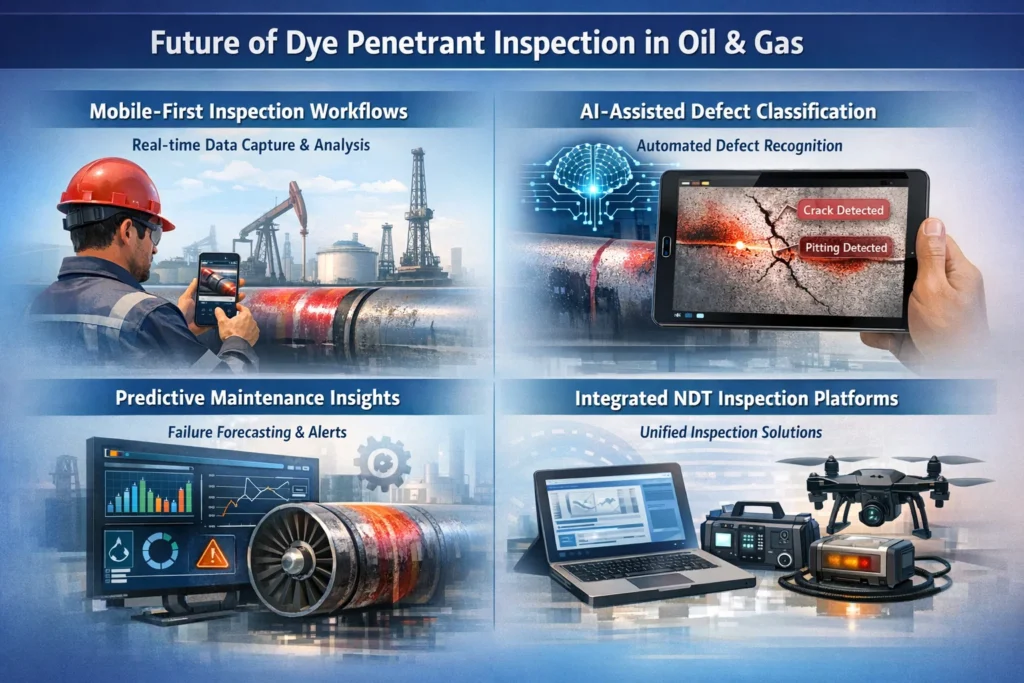
Emerging trends include:
Therefore, companies that modernize DPI today stay competitive tomorrow.
Dye penetrant inspection remains a critical non-destructive testing method for identifying surface defects in oil and gas assets. However, manual inspection processes can limit efficiency and traceability.
By integrating Inspections Track Software, oil and gas companies can digitize dye penetrant inspections, improve accuracy, ensure compliance, and make smarter maintenance decisions.
Ultimately, modern DPI is not just about finding defects — it is about protecting assets, people, and performance.
Read more : corrective action strategies for oil gas inspections
Dye penetrant inspection is used to detect surface-breaking defects such as cracks, porosity, and weld flaws in oil and gas equipment without damaging the material.
Dye penetrant testing can identify surface-level defects including fatigue cracks, leaks, laps, seams, and corrosion-related surface flaws on non-porous materials.
Inspections Track Software digitizes dye penetrant inspections by enabling real-time data capture, defect imaging, automated reporting, and secure inspection record management for oil and gas assets.
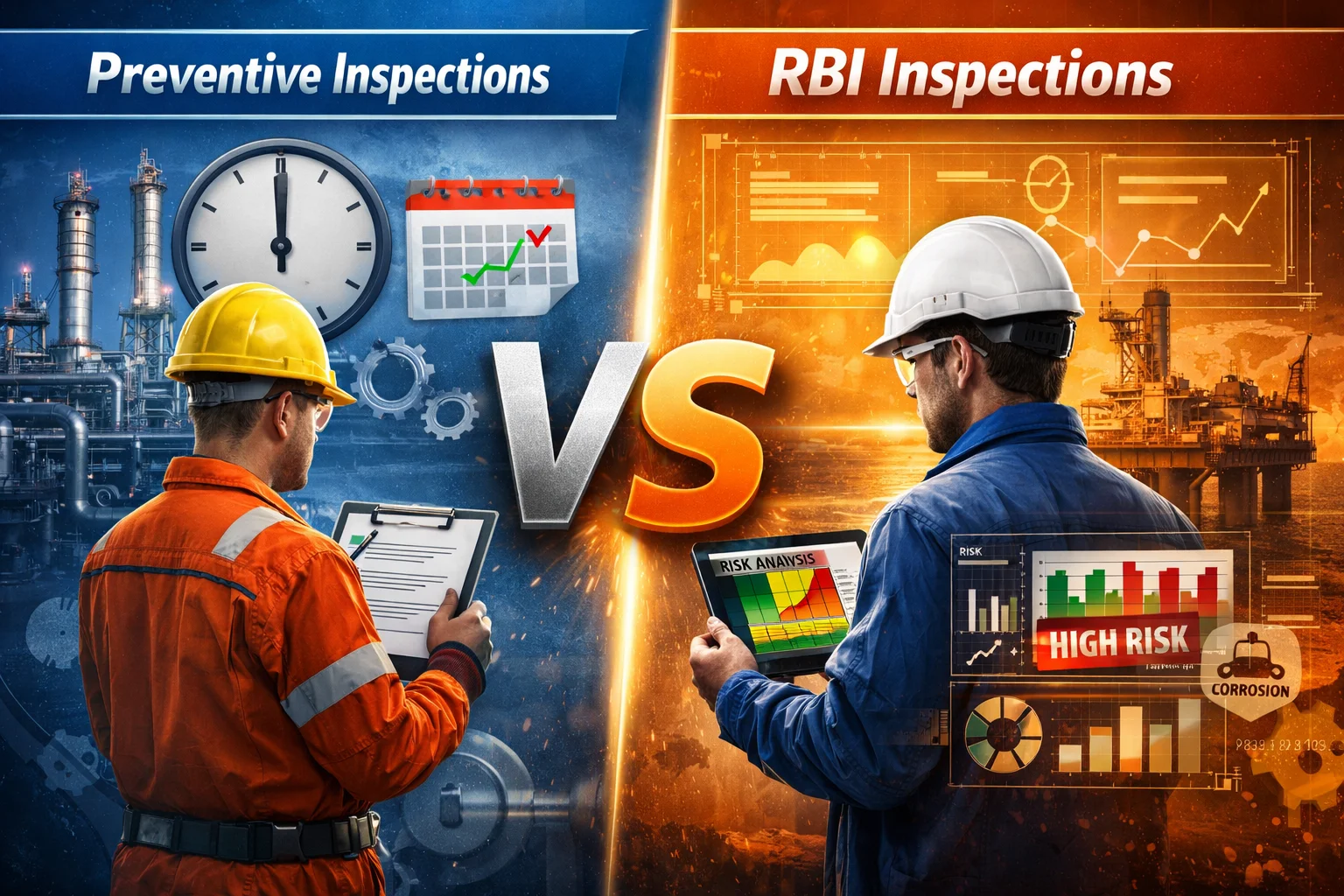
In the oil and gas industry, inspection strategies directly impact asset reliability, regulatory compliance, and operational safety. However, many organizations still struggle to understand the differences between preventive inspections and Risk-Based Inspection (RBI) methodologies. While…
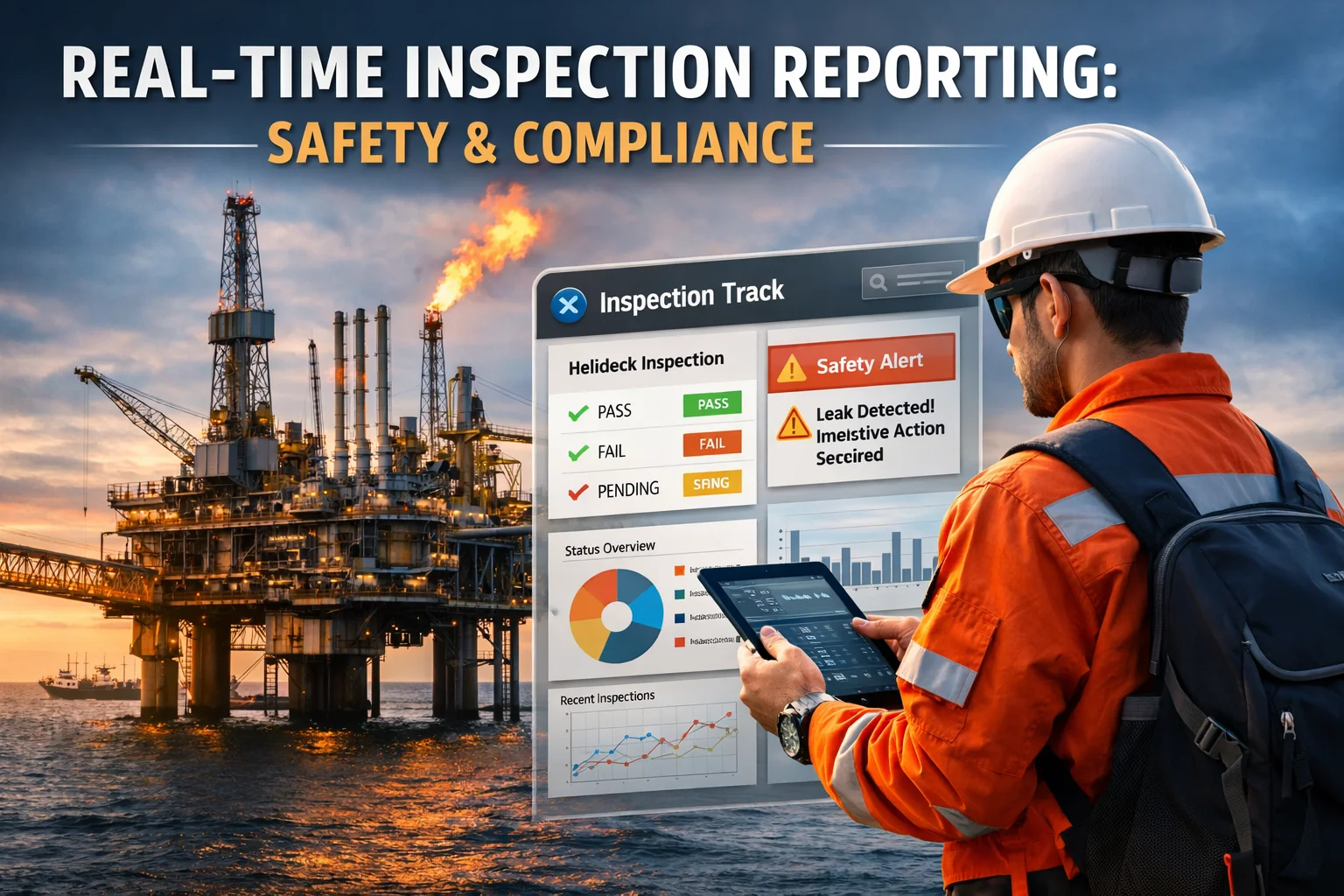
In the fast-paced oil and gas industry, maintaining compliance and ensuring safety are not just priorities—they are non-negotiable requirements. Traditional inspection methods often involve manual paperwork, delayed reporting, and fragmented data, increasing the risk of…


Comments (2)
Inspection Item Checklist in Oil and Gas Inspections - inspectionstrack
Jan 02, 2026[…] Read more : dye penetrant inspection in oil and gas explained […]
Non-Destructive Testing for Lifting Slings : Advanced techniques - inspectionstrack
Feb 13, 2026[…] Dye Penetrant Testing […]
Comments are closed.