
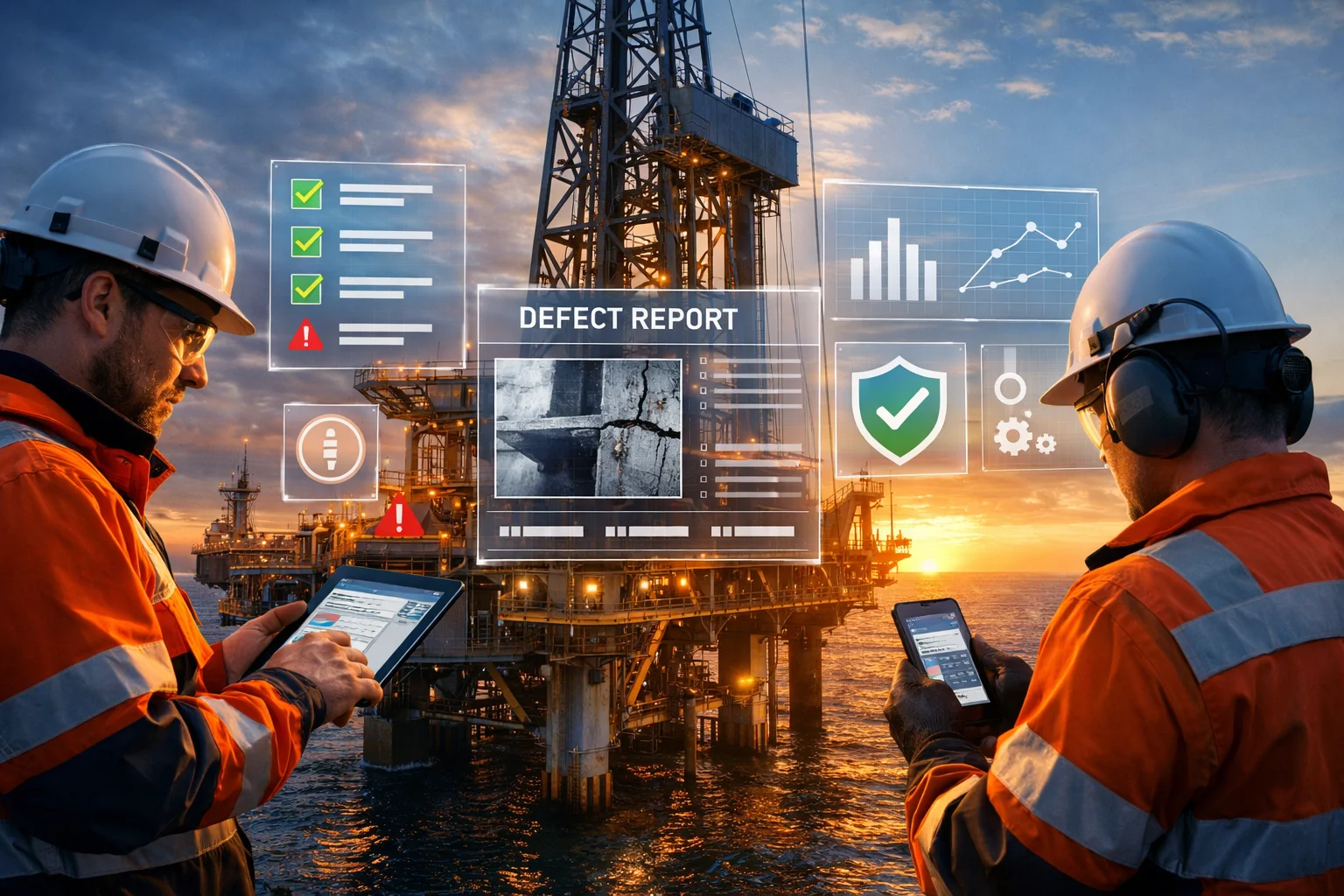
Offshore operations demand precision, safety, and compliance. Therefore, using derrick inspection software is no longer optional it’s essential. In this guide, you’ll learn exactly how to use derrick inspection software on offshore platforms, step by step, while also improving efficiency, safety, and compliance.
Whether you’re an inspector, operations manager, or oil & gas decision-maker, this guide is designed to help you streamline your inspection workflow.
Derrick inspection software is a digital solution used in the oil and gas industry to inspect, track, and maintain derrick structures on offshore rigs. Instead of relying on manual paperwork, teams can now digitize inspections, automate reporting, and ensure regulatory compliance.
Moreover, modern platforms like Inspectionstrack provide real-time insights, making inspections faster and more accurate.
Offshore environments are complex and high-risk. Therefore, manual inspections often lead to delays, errors, and compliance issues.
Let’s walk through the complete process of using derrick inspection software effectively.
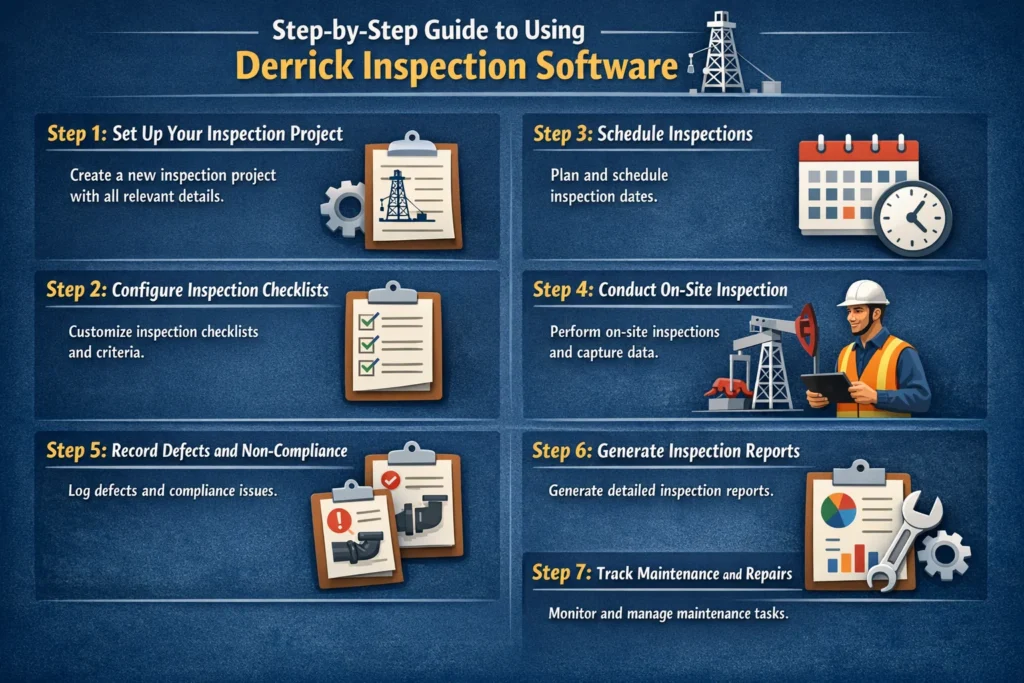
First, create a new inspection project within the software.
What to do:
Why it matters:
This step ensures that all stakeholders are aligned from the beginning.
Next, customize your derrick inspection checklist.
Include:
Pro Tip:
Use pre-built templates from Inspectionstrack to save time and ensure standardization.
After that, schedule inspections based on operational needs.
Options include:
As a result, teams can stay organized and avoid missed inspections.
Now, inspectors can perform the inspection using mobile devices.
During inspection:
Therefore, this reduces paperwork and improves accuracy significantly.
If issues are found, log them immediately.
Typical defects include:
Additionally, assign severity levels and corrective actions directly within the software.
Once the inspection is complete, generate reports automatically.
Reports typically include:
Consequently, reporting time is reduced from hours to minutes.
After reporting, track corrective actions.
You can:
This ensures that no issue goes unresolved.
Finally, maintain compliance with industry standards.
Software helps you:
Choosing the right software is critical. Therefore, here’s a quick comparison:
| Feature | Why It Matters |
|---|---|
| Mobile Accessibility | Enables on-site inspections |
| Custom Checklists | Ensures inspection flexibility |
| Real-Time Data Sync | Improves decision-making |
| Automated Reporting | Saves time and reduces manual work |
| Compliance Tracking | Helps meet industry regulations |
| Cloud Storage | Secures inspection data |
To maximize results, follow these best practices:
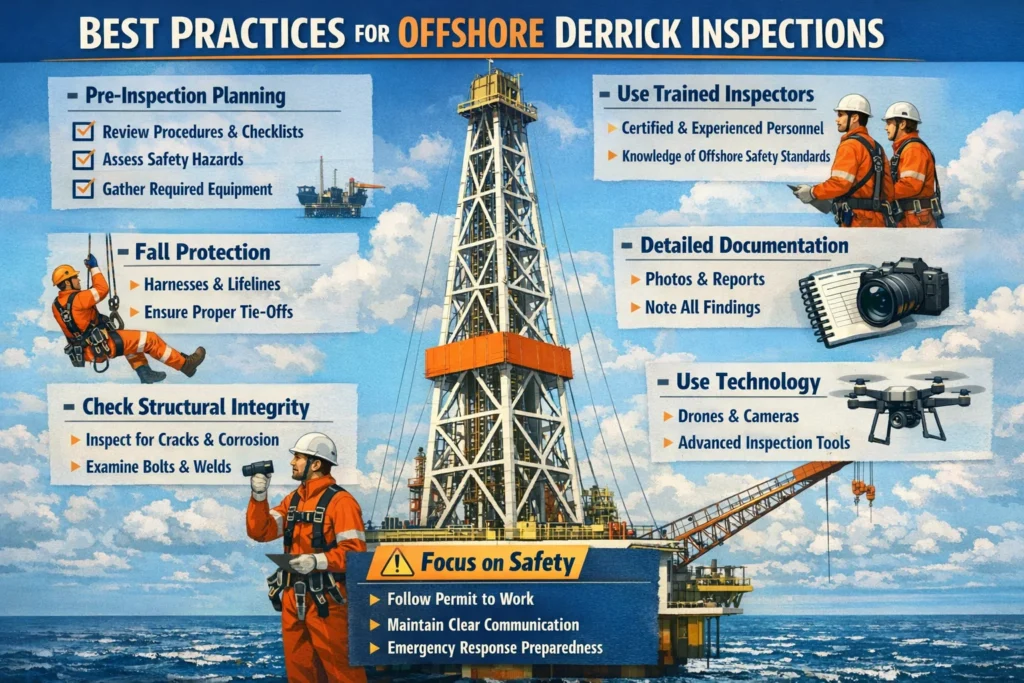
When it comes to offshore inspection efficiency, Inspectionstrack software stands out.
In addition, Inspectionstrack integrates seamlessly with other inspection modules, making it a complete solution for offshore asset management.
Even with software, mistakes can happen. However, you can avoid them easily:
In conclusion, using derrick inspection software on offshore platforms transforms the way inspections are conducted. Not only does it improve accuracy, but it also enhances safety, compliance, and operational efficiency.
By following this step-by-step guide, you can fully leverage the power of digital inspections. Furthermore, adopting solutions like Inspectionstrack ensures your offshore operations remain safe, compliant, and efficient.
Read more : helideck inspection software for offshore safety
It is used to inspect, monitor, and maintain derrick structures on offshore rigs, ensuring safety and compliance.
Yes, most modern software, including Inspectionstrack, supports offline inspections with later data synchronization.
It enables real-time defect reporting, structured inspections, and faster corrective actions, reducing risks significantly.
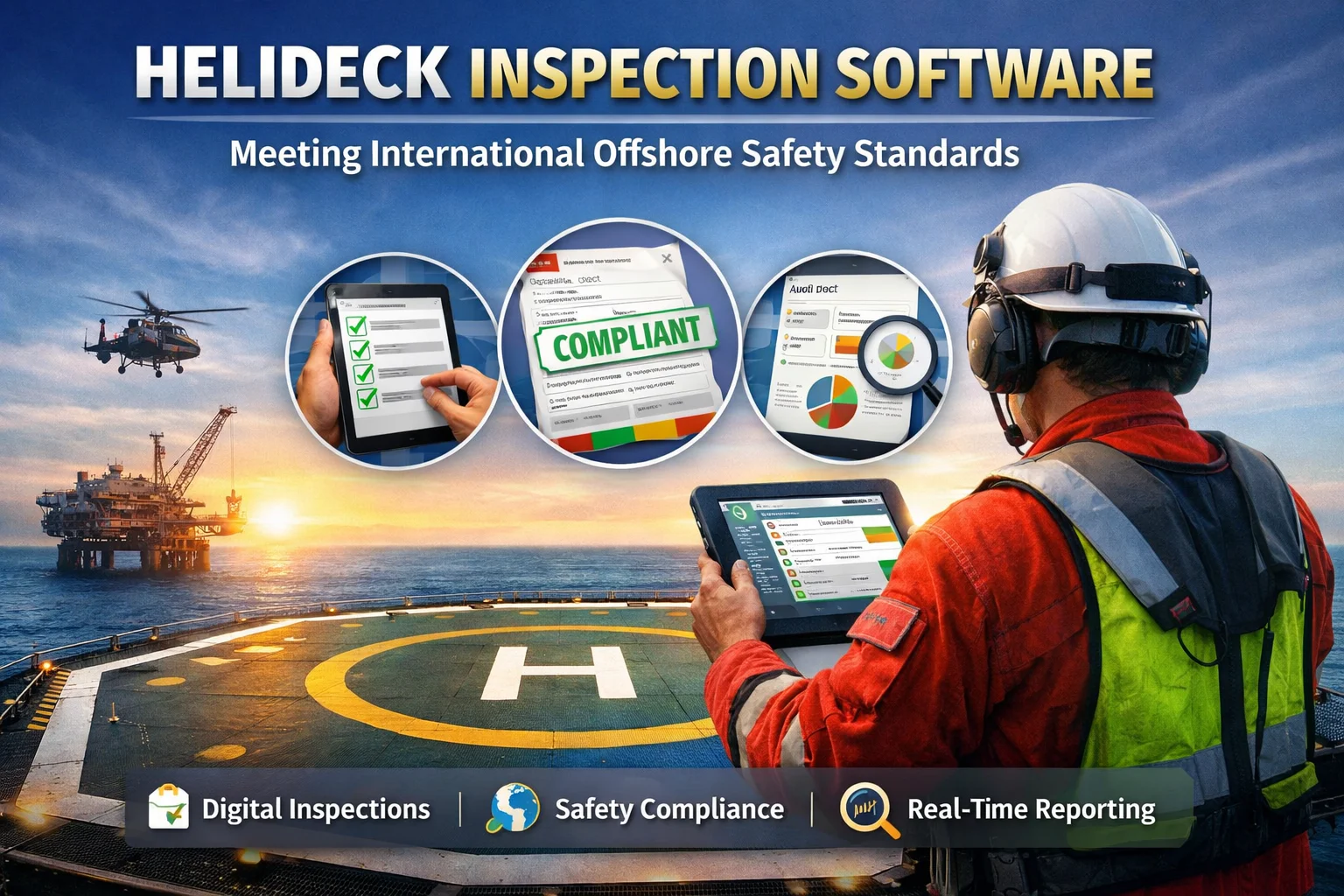
Helideck operations are critical in offshore environments, especially in the oil and gas industry. However, ensuring compliance with international safety standards is not just a requirement—it’s a necessity for protecting lives, assets, and operations. This…
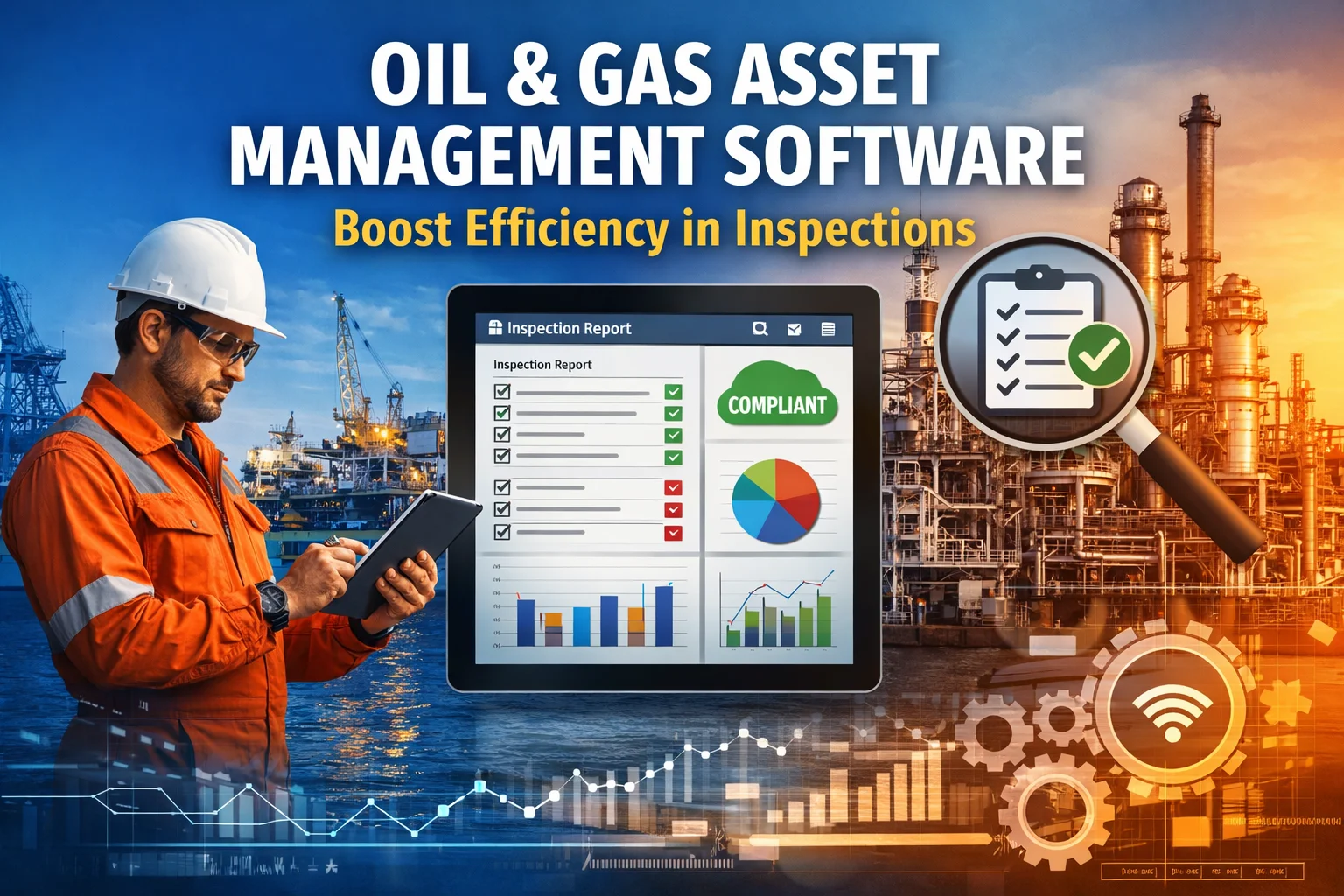
In today’s fast-paced oil and gas industry, managing assets efficiently is no longer optional—it’s essential. From offshore rigs to onshore facilities, companies must ensure that every asset is inspected, maintained, and compliant with strict regulations….


