
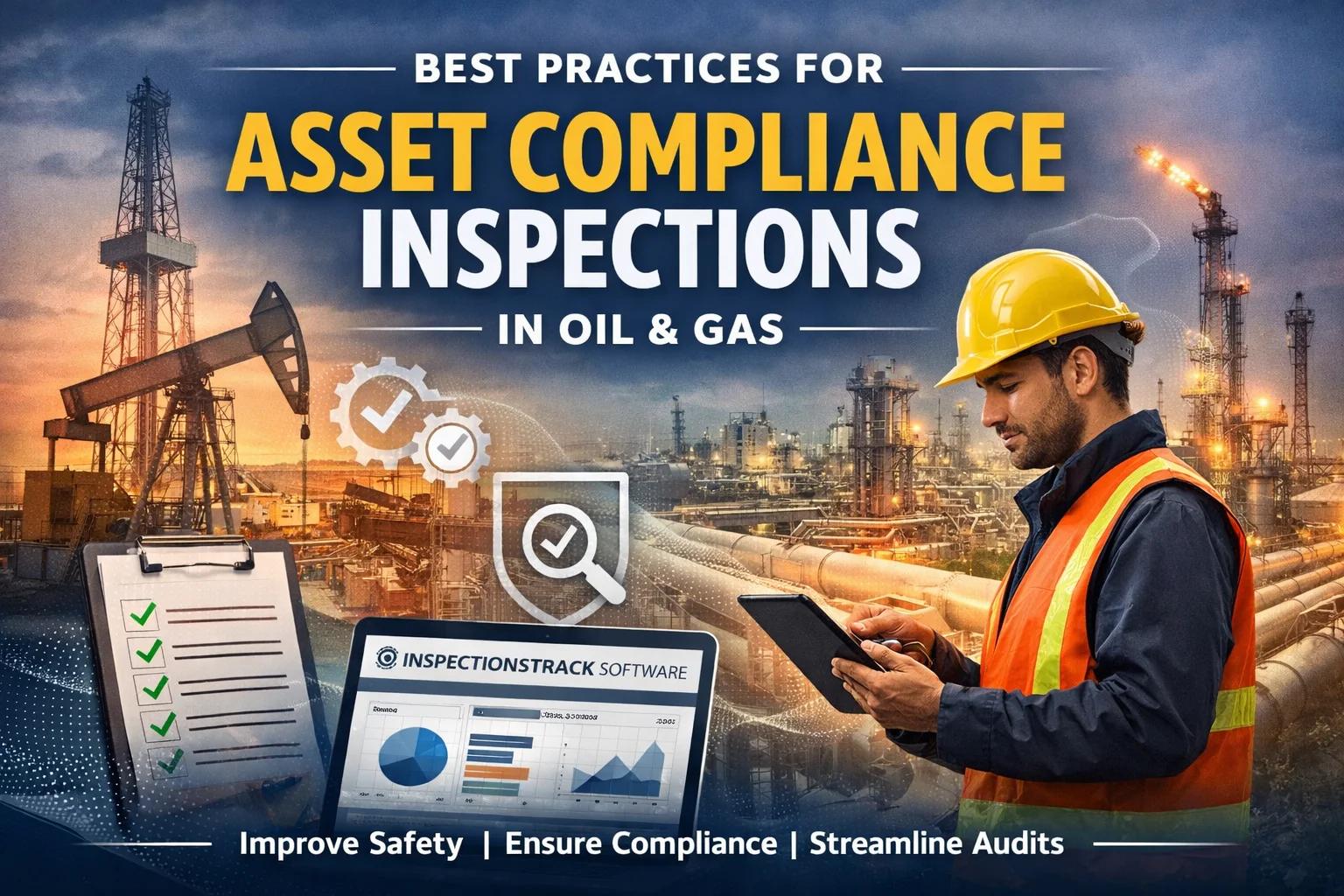
Asset compliance inspections are the backbone of safe and efficient operations in the oil and gas sector. However, with complex equipment, strict regulations, and high-risk environments, maintaining compliance can be challenging. Therefore, companies must adopt modern, structured, and data-driven approaches to ensure safety, efficiency, and regulatory adherence.
In this guide, we will explore the best practices for asset compliance inspections, while also showing how digital tools like Inspectionstrack software help streamline processes, improve accuracy, and ensure audit readiness.
Asset compliance inspections ensure that equipment such as cranes, pipelines, derricks, pressure vessels, and lifting gear meet safety and operational standards. Without proper inspections:
Therefore, implementing a structured inspection system is essential for maintaining reliability and compliance.
Although many companies still rely on manual logs and spreadsheets, these methods create inefficiencies.
As a result, companies face higher compliance risks and slower decision-making.
To ensure effective and reliable inspections, follow these proven best practices:
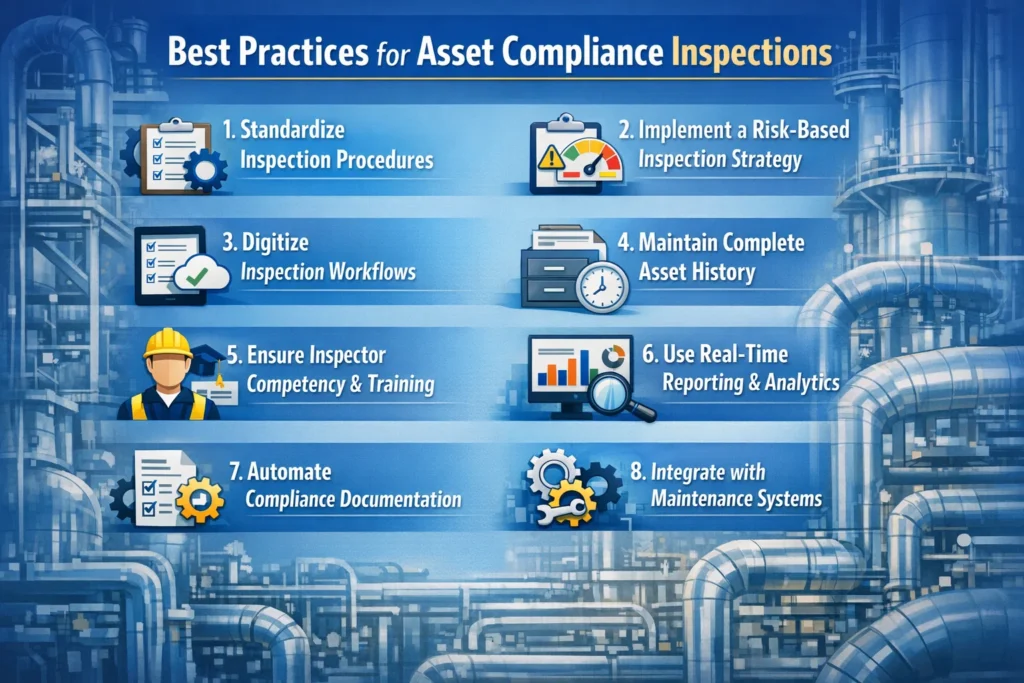
First, create standardized inspection checklists and workflows for each asset type. This ensures consistency across teams and locations.
Best Practice Tips:
Instead of inspecting all assets equally, prioritize based on risk level and operational criticality.
Risk-Based Inspection Benefits:
Digital transformation is essential for modern compliance management. Therefore, adopting Inspectionstrack software helps digitize and automate inspection workflows.
Key Advantages of Inspectionstrack:
A complete asset history improves traceability and helps predict failures.
Important Data to Track:
As a result, teams can make informed decisions and improve asset lifecycle management.
Even the best system fails without skilled inspectors. Therefore, invest in continuous training and certification.
Training Focus Areas:
Modern inspection strategies rely heavily on data. With digital tools, you can generate real-time dashboards and reports.
| Metric | Description | Benefit |
|---|---|---|
| Inspection Completion Rate | % of completed inspections | Ensures compliance |
| Asset Failure Rate | Frequency of failures | Improves maintenance |
| Overdue Inspections | Missed schedules | Reduces risk |
| Inspection Duration | Time per inspection | Optimizes efficiency |
Therefore, data-driven insights allow companies to improve performance continuously.
Regulatory audits require accurate and well-documented records. However, manual documentation is time-consuming and error-prone.
With Inspectionstrack software, you can:
Inspection data should not exist in isolation. Therefore, integrate inspection systems with maintenance and ERP platforms.
Benefits of Integration:
| Feature | Manual Inspections | Digital Inspections (Inspectionstrack) |
|---|---|---|
| Data Accuracy | Prone to errors | Highly accurate |
| Accessibility | Limited | Cloud-based access |
| Reporting | Time-consuming | Instant reports |
| Compliance Tracking | Difficult | Automated alerts |
| Audit Readiness | Low | High |
Clearly, digital inspections provide a more reliable and efficient solution.
Inspectionstrack is designed specifically for the oil and gas inspection industry. It simplifies compliance management by offering:
Therefore, companies can reduce risk, improve safety, and ensure 100% compliance readiness.
The future of inspections is digital, predictive, and automated. Emerging technologies include:
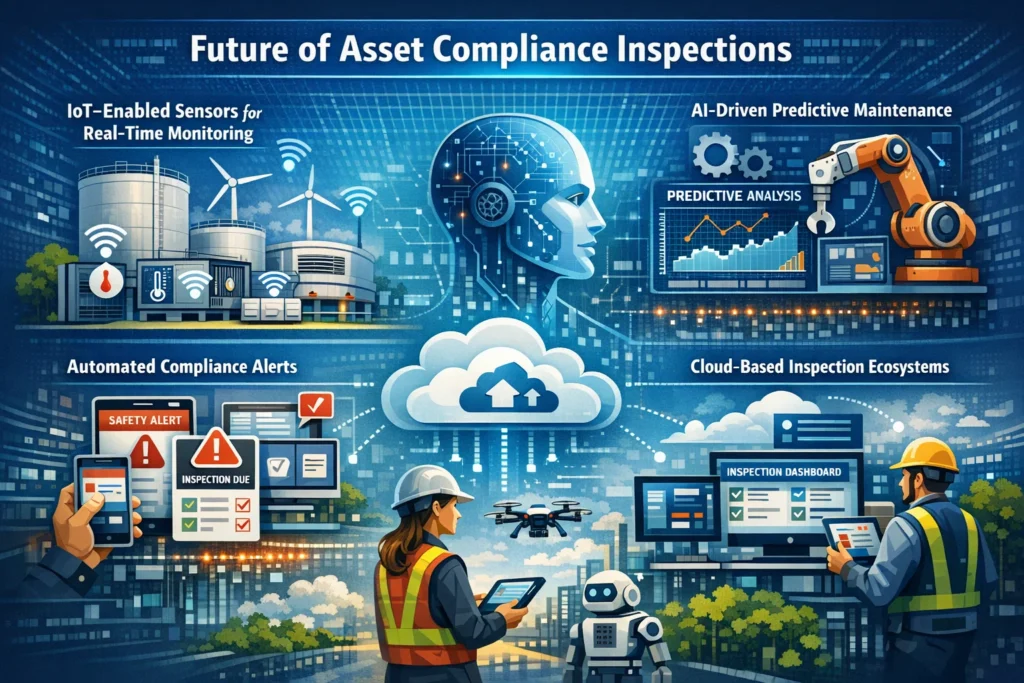
As the industry evolves, adopting these innovations will become essential rather than optional.
In conclusion, asset compliance inspections are critical for ensuring safety, reliability, and regulatory adherence in oil and gas operations. By following best practices such as standardization, risk-based strategies, digitization, and real-time analytics, companies can significantly improve their inspection processes.
Moreover, by implementing Inspectionstrack software, organizations can transform manual inspections into a smart, automated, and data-driven compliance system.
Therefore, if your goal is to improve safety, reduce risk, and stay audit-ready, adopting modern inspection solutions is the smartest step forward.
Read more : drill pipe integrity monitoring with smart analytics
Asset compliance inspections ensure that equipment meets safety, operational, and regulatory standards in industries like oil and gas.
Inspection frequency depends on asset type, risk level, and regulatory requirements.
Digital tools like Inspectionstrack improve accuracy, automate compliance tracking, and provide real-time insights.
It prioritizes high-risk assets, reducing unnecessary inspections and optimizing resources.
In the oil and gas industry, drill pipe integrity is critical for operational safety, efficiency, and compliance. Traditional manual logs are no longer sufficient in today’s fast-paced energy landscape. Modern companies are turning to smart…
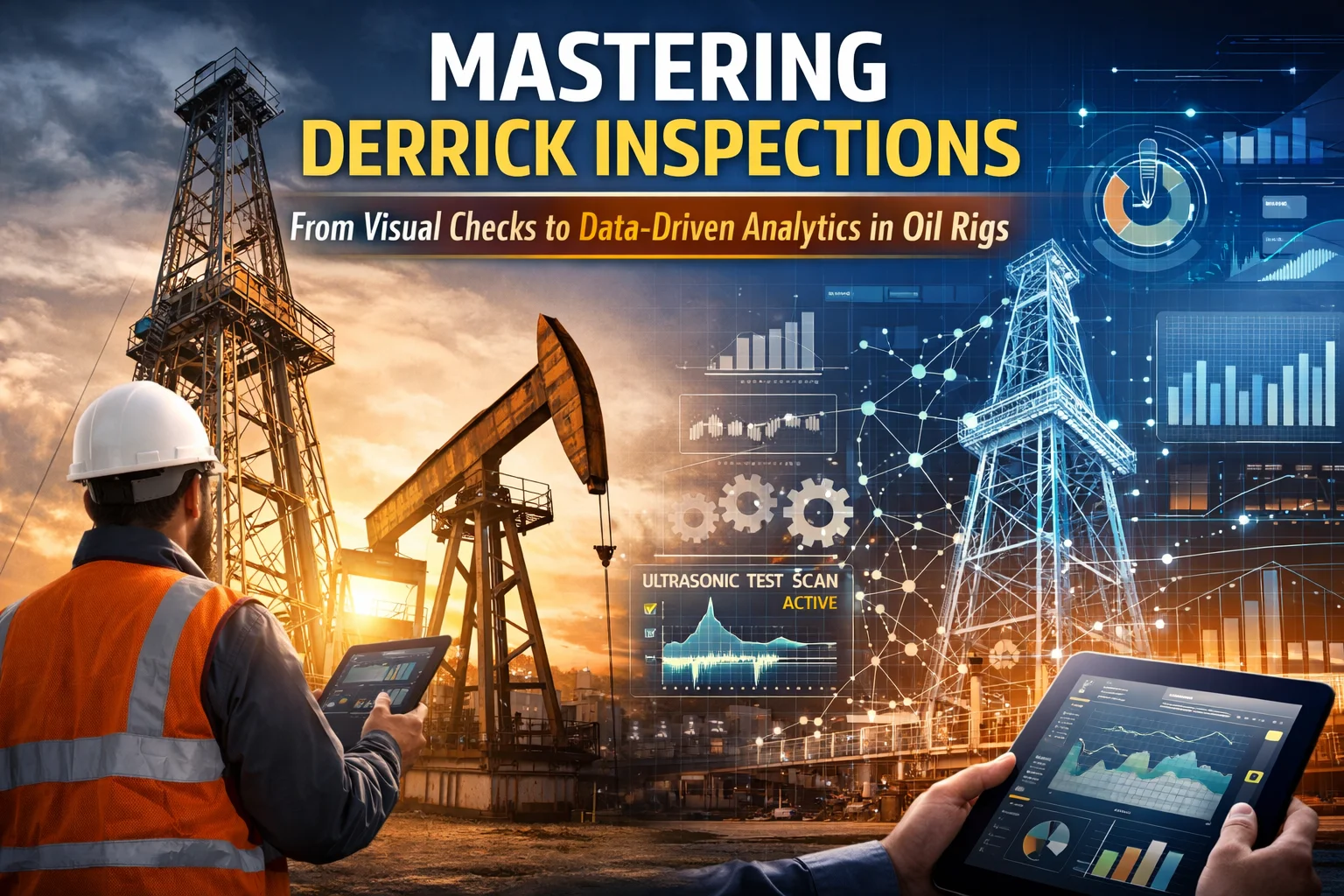
In the high-risk environment of oil and gas operations, derrick inspections are not just a routine task—they are a critical safety and compliance requirement. From traditional visual checks to advanced data-driven analytics, modern derrick inspection…


