
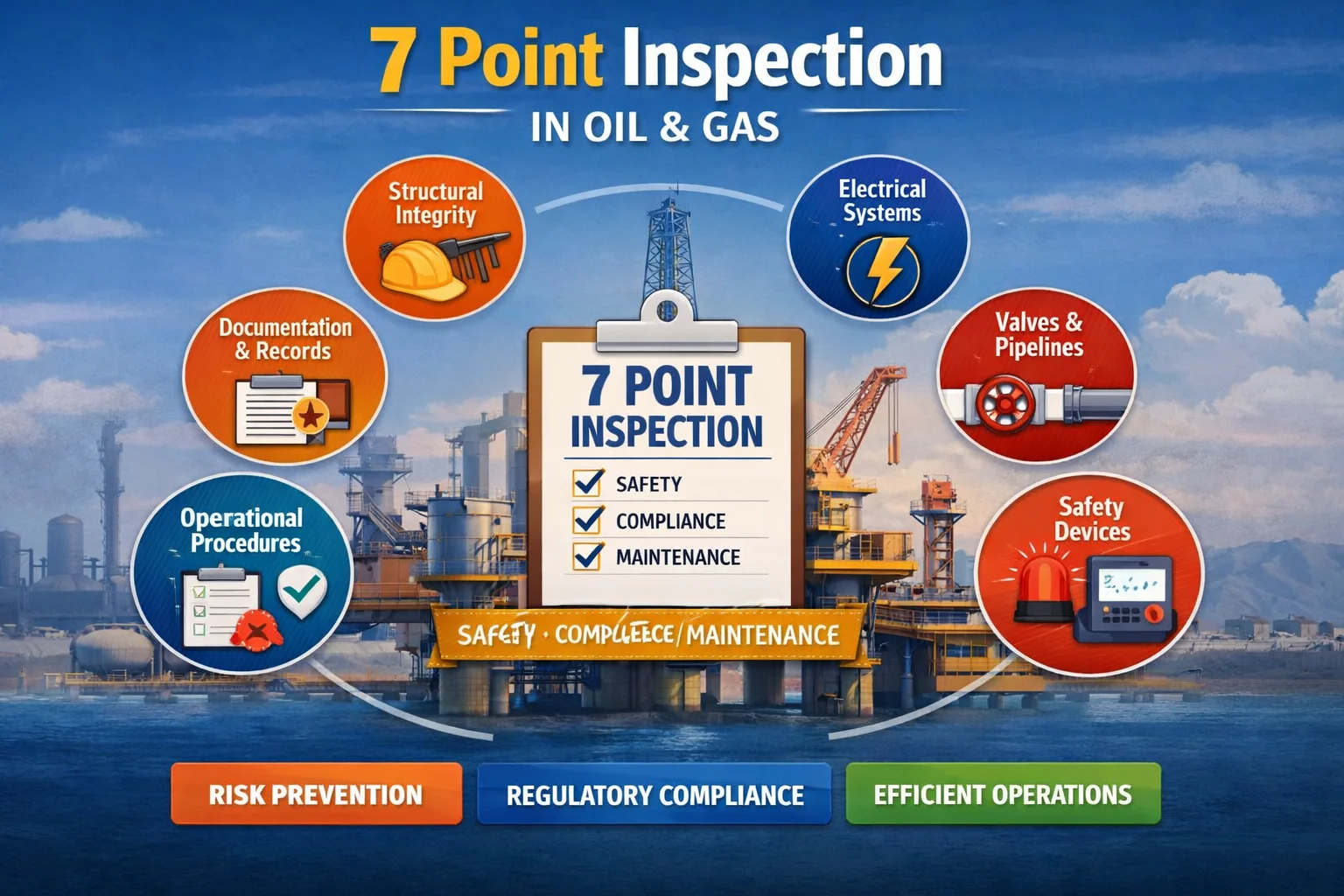
The oil and gas industry relies heavily on rigorous safety and maintenance standards. One of the most crucial methods to ensure operational safety is the 7 point inspection. But what exactly does it involve, and why is it critical for oil and gas operations? In this blog, we’ll explore every aspect of the 7 point inspection, its benefits, and how modern software like Inspections Track Software can simplify the process.
A 7 point inspection is a comprehensive safety and maintenance check that targets seven critical components of oil and gas equipment or facilities. This method is widely adopted to ensure equipment reliability, prevent accidents, and comply with industry standards.
The 7 point inspection identifies potential risks before they become serious problems. It is a proactive approach that improves safety, reduces downtime, and ensures regulatory compliance.
Inspectors examine equipment systematically, documenting any issues and ensuring that all safety measures are in place. Modern digital tools can make this process faster and more accurate.
The 7 point inspection typically covers the following areas:
| Component | Purpose | Typical Checks |
|---|---|---|
| 1. Structural Integrity | Ensure safety of equipment and infrastructure | Inspect frames, supports, and welds |
| 2. Electrical Systems | Prevent electrical hazards | Check wiring, connections, and grounding |
| 3. Valves & Pipelines | Ensure smooth flow and no leaks | Examine pressure levels, corrosion, and leaks |
| 4. Safety Devices | Confirm proper functioning | Test alarms, shutdown systems, and emergency valves |
| 5. Instrumentation | Maintain accurate readings | Calibrate sensors, gauges, and monitoring devices |
| 6. Operational Procedures | Verify adherence to safety protocols | Review standard operating procedures and logs |
| 7. Documentation & Records | Maintain regulatory compliance | Check inspection logs, maintenance records, and certifications |
Each component ensures that all aspects of operations are safe, functional, and compliant. Missing even one can lead to operational risks or regulatory issues.
Conducting a 7 point inspection offers numerous advantages:
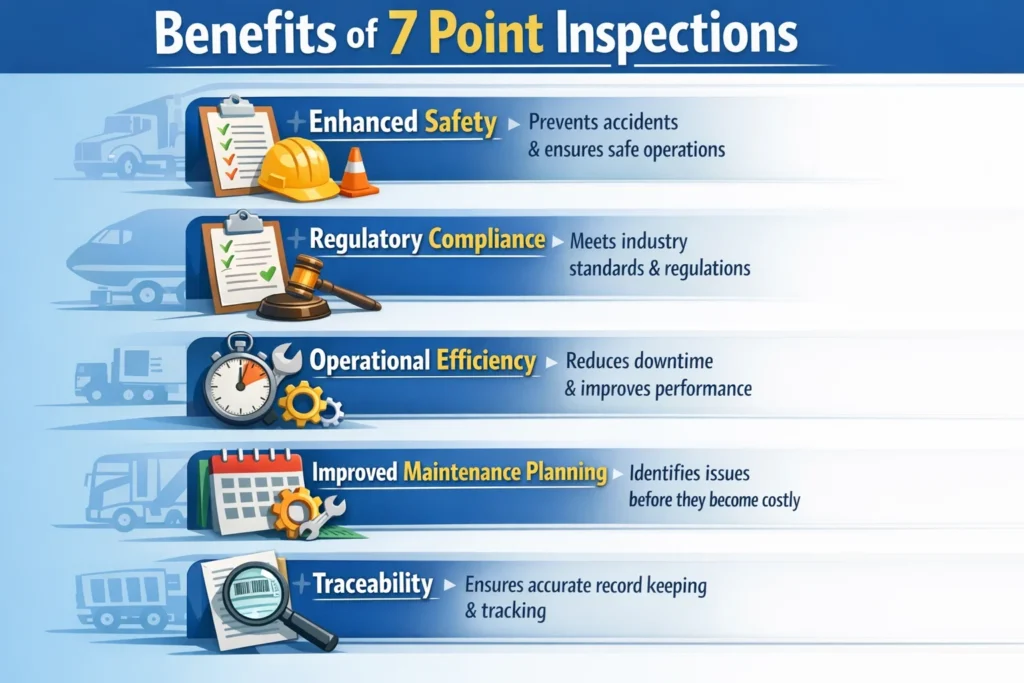
Companies that implement regular 7 point inspections notice fewer accidents, reduced downtime, and improved asset lifespan. This makes it a key strategy for cost-effective operations.
Managing inspections manually can be time-consuming and prone to errors. This is where Inspections Track Software comes into play.
Using software reduces human error, saves time, and ensures that inspections are fully documented for both internal tracking and external audits.
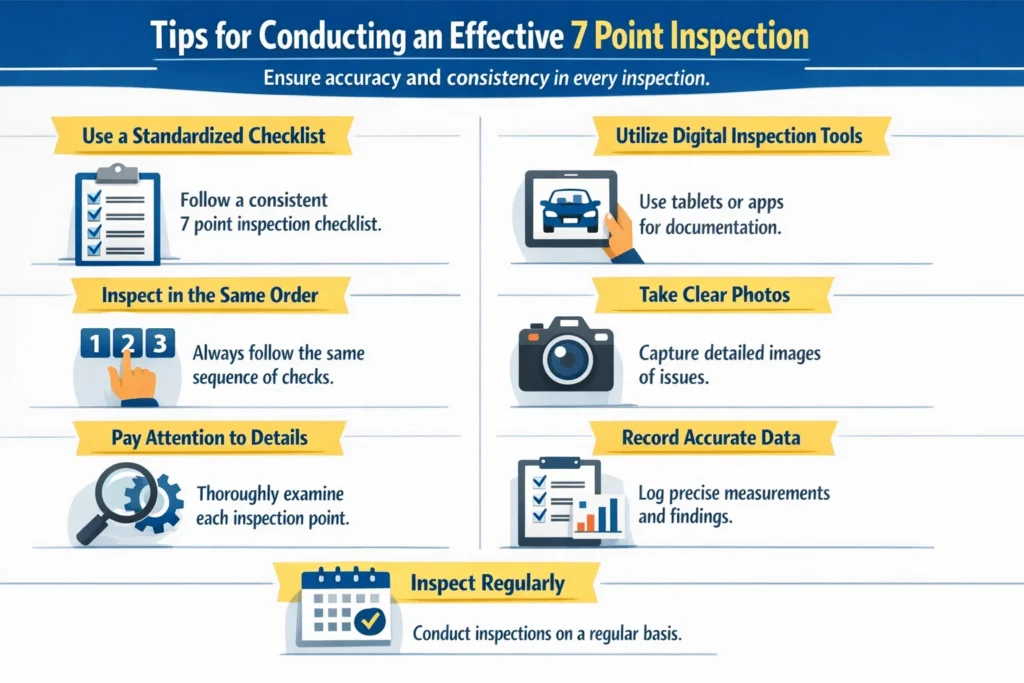
The 7 point inspection is a cornerstone of safety and operational excellence in the oil and gas industry. By focusing on critical components and leveraging tools like Inspections Track Software, companies can ensure safer, more efficient operations while staying compliant with industry standards.
Investing in systematic inspections not only protects employees and assets but also enhances long-term profitability.
Read more : quality control oil and gas digital inspections software
Inspections are usually scheduled quarterly or annually, depending on equipment type and regulatory requirements.
Yes, regular inspections identify potential issues early, reducing downtime and costly repairs.
While not mandatory, digital solutions like Inspections Track Software significantly streamline the process and improve accuracy.
Primarily oil and gas, but also chemical, energy, and industrial sectors that rely on heavy equipment
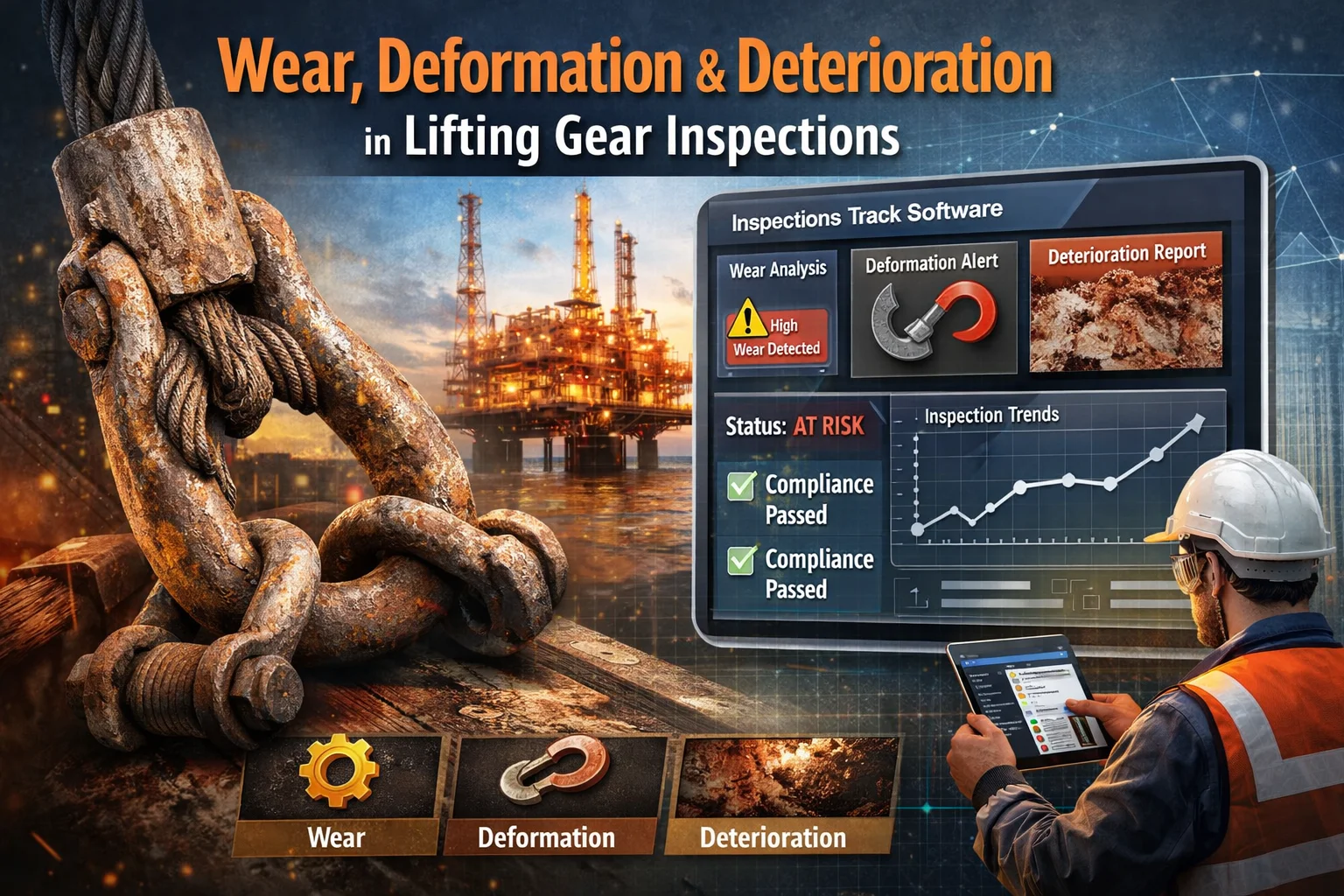
Introduction In the oil and gas industry, safety and operational efficiency rely heavily on properly maintained lifting gear. While regular inspections are mandated, many organizations overlook subtle indicators like wear, deformation, and deterioration. Understanding these…
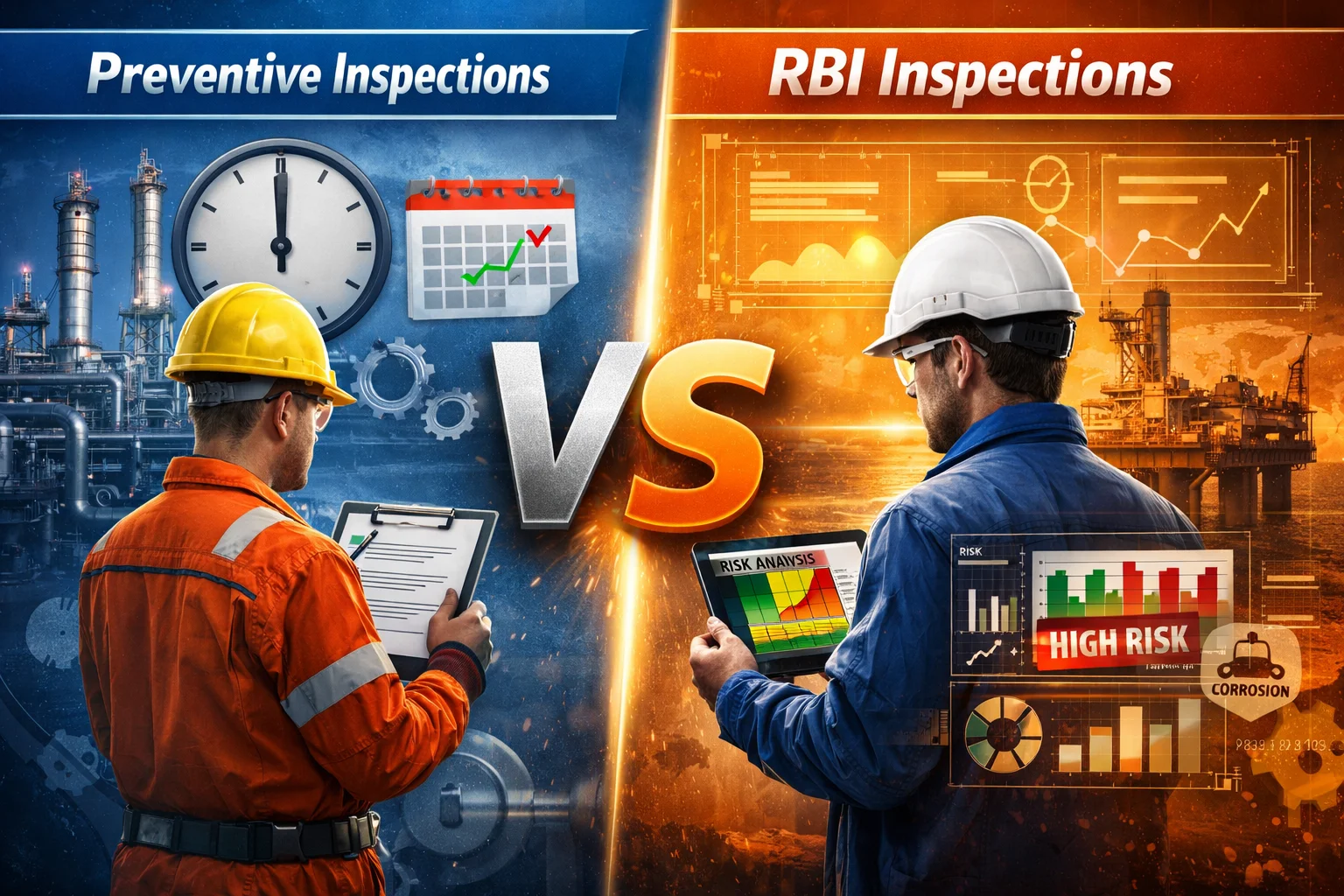
In the oil and gas industry, inspection strategies directly impact asset reliability, regulatory compliance, and operational safety. However, many organizations still struggle to understand the differences between preventive inspections and Risk-Based Inspection (RBI) methodologies. While…


Comment (1)
Predictive Analytics for Oilfield Lifting Gear Safety - inspectionstrack
Jan 19, 2026[…] Read more : 7 point inspection in oil and gas […]
Comments are closed.