How to Conduct Helideck and Heliport Inspections Effectively
Inspecting helidecks and heliports is critical to ensuring the safety and efficiency of operations in the oil and gas industry. Effective inspections help identify potential hazards and maintain compliance with safety regulations. This blog will guide you through the essential steps to conduct helideck and heliport inspections effectively, with a focus on best practices and utilizing advanced tools like SkySoft Connections Inspections Track.
Table of contents
Understanding the Importance of Helideck and Heliport Inspections
Helideck and heliport inspections are vital for several reasons:
- Safety Compliance: Ensuring that the landing and takeoff areas meet safety standards.
- Operational Efficiency: Identifying and mitigating hazards that could disrupt operations.
- Regulatory Adherence: Meeting industry regulations and guidelines to avoid penalties.
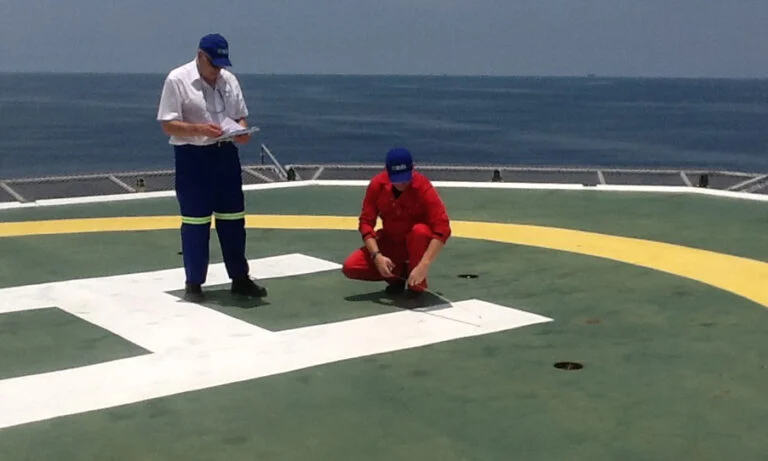
Pre-Inspection Preparation
Gather Necessary Documentation
Before conducting inspections, it’s important to have all relevant documentation ready, including:
- Previous inspection reports
- Maintenance records
- Compliance checklists
Inspecting Equipment and Tools
Ensure that all inspection tools are in good working order. This includes:
- Safety gear (helmets, harnesses)
- Measurement instruments (tape measures, anemometers)
- Recording devices (cameras, tablets)
Conducting the Inspection
Visual Inspections
A thorough visual inspection should be conducted to identify any obvious defects or hazards:
- Check for structural damage
- Inspect lighting systems
- Verify markings and signage
Functional Testing
Perform functional tests on key systems to ensure they are operating correctly:
- Lighting and electrical systems
- Safety barriers and nets
- Communication systems
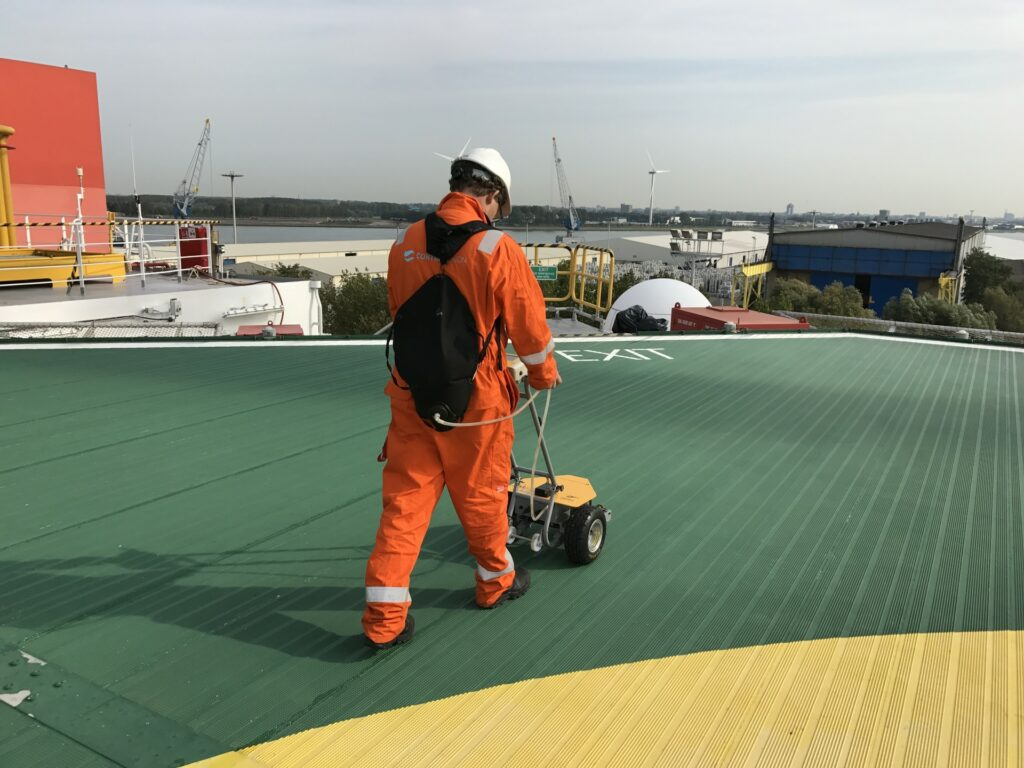
Utilizing Advanced Tools
Leveraging SkySoft Connections Inspections Track
SkySoft Connections Inspections Track is a powerful tool designed to streamline inspection processes in the oil and gas industry. It offers features such as:
- Automated Reporting: Generates comprehensive inspection reports.
- Real-Time Data Analysis: Provides instant feedback on inspection results.
- Compliance Tracking: Ensures all inspections meet regulatory requirements.
Post-Inspection Actions
Documentation and Reporting
After the inspection, document all findings in detail:
- Use standardized forms and templates
- Include photographs and diagrams
- Highlight any areas of concern
Follow-Up and Maintenance
Address any issues identified during the inspection promptly:
- Schedule necessary repairs
- Conduct follow-up inspections as needed
- Update maintenance records
Conclusion
Conducting helideck and heliport inspections effectively requires thorough preparation, careful execution, and the right tools. By following best practices and leveraging advanced solutions like SkySoft Connections Inspections Track, you can ensure safety, compliance, and operational efficiency in your inspections.
Readmore : Ultimate Checklist for Drill Pipeline Inspections
FAQ’s
Helideck and heliport inspections are crucial for ensuring safety, maintaining operational efficiency, and adhering to regulatory requirements in the oil and gas industry. They help identify potential hazards and ensure compliance with safety standards.
Key components include visual inspections for structural damage and correct markings, functional testing of lighting, safety barriers, and communication systems, and thorough documentation of findings for compliance and follow-up actions.
SkySoft Connections Inspections Track streamlines the inspection process by providing automated reporting, real-time data analysis, and compliance tracking, making it easier to conduct thorough and efficient inspections in the oil and gas industry.